
Desserts
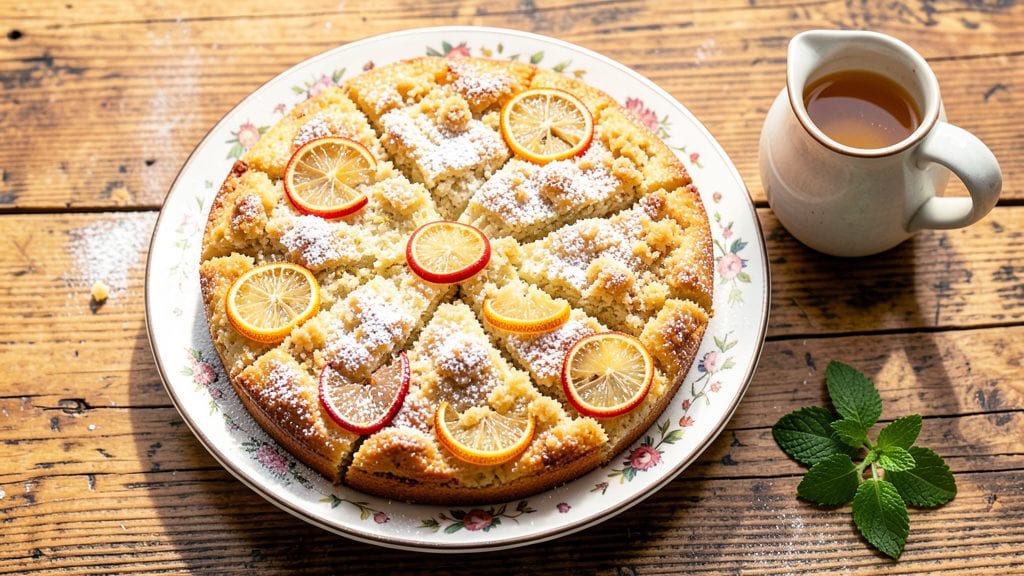
This old-fashioned sunshine cake recipe captures the essence of bright citrus flavors in every tender layer, creating a dessert that practically glows with happiness.
The secret lies in the zesty combination of lemon and orange zest, which infuses the cake with a vibrant freshness that makes it feel like sunshine on a plate. I developed this recipe after years of baking layer cakes, refining the balance between moist texture and citrus brightness.
The cake itself is a classic vanilla sponge, but the real magic happens when you fold in the citrus zest and juice—just enough to brighten without overpowering. Baking at 350°F for 25-30 minutes ensures perfectly golden layers that stay moist for days.
The frosting, a simple buttercream with a touch of lemon extract, ties everything together with a smooth, creamy finish.
What you’ll end up with is a cake that’s as beautiful as it is delicious—layers of tender vanilla cake separated by citrus-infused buttercream, all topped with a final dusting of powdered sugar for that signature "sunshine" effect.
This is the kind of cake that brings warmth to any table, whether served at a brunch, birthday celebration, or as a simple treat to brighten your day.
For extra flair, garnish with fresh berries or a sprinkle of citrus zest before serving. The recipe scales easily for larger gatherings, and the technique is straightforward enough for confident home bakers. Let’s get baking!
Ingredients for old fashioned sunshine cake
Bright citrus zest and tender vanilla layers—this sunshine cake needs just 15 simple ingredients.
| Ingredient | Amount | Notes |
|---|---|---|
| All-Purpose Flour 🌾 | 2 cups | Sifted for light texture |
| Granulated Sugar 🍚 | 1 ½ cups | White sugar preferred |
| Unsalted Butter 🧈 | 1 cup | Softened to room temp |
| Large Eggs 🥚 | 2 whole | Room temperature |
| Milk 🥛 | ½ cup | Whole milk preferred |
| Lemon Zest 🍋 | 2 tbsp | Freshly grated, no pith |
| Orange Zest 🍊 | 2 tbsp | Freshly grated, no pith |
| Lemon Juice 🍋 | ⅓ cup | Freshly squeezed |
| Orange Juice 🍊 | ⅓ cup | Freshly squeezed |
| Baking Powder 🧂 | 2 tsp | Aluminum-free preferred |
| Salt 🧂 | ½ tsp | Fine sea salt |
| Pure Vanilla Extract 🍯 | 1 tsp | High-quality preferred |
| Powdered Sugar 🍚 | 3 cups | For buttercream |
| Lemon Extract 🍋 | ½ tsp | For frosting flavor |
| Fresh Berries 🍓 | 1 ½ cups | Optional garnish |
The zest is everything here. Grab organic lemons and oranges from the grocery store—those vibrant, thick-skinned varieties yield the most zest. Whole Foods or Trader Joe's usually carry the best for this. Don’t use pre-grated zest from jars (it’s dull and often bitter). A microplane works best—just scrape the yellow part, no white pith. If you’re short on time, store-bought juicePlugrá or Land O’Lakes are reliable, but any good-quality unsalted will do. Just make sure it’s softened to room temp—no cold lumps in your batter.
No fresh citrus? Bottled lemon and orange juice (like Tropicana) will work in a pinch, but you’ll miss that bright, fresh flavor. Swapping the zest? Substitute 1 tsp each of bottled lemon and orange zest—it’s not the same, but better than nothing. For the frosting, if you can’t find lemon extract, 1 extra tbsp lemon juice will add some brightness. The vanilla extract? Pure, imitation-free makes a difference—Nielsen-Massey is my go-to. And if you’re worried about the cake being too moist, reduce the milk by 2 tbsp—the citrus juice adds enough liquid.
This cake keeps beautifully—3-4 days at room temp covered loosely with plastic wrap. For longer storage, wrap tightly in foil and freeze for up to 3 months. The frosting? Store it in an airtight container in the fridge for 5 days, or freeze in portions. To serve, let the cake sit at room temp for 30 minutes before slicing—trust me, it’s worth the wait. Garnish with fresh berries or a sprinkle of extra zest right before serving, so it looks as good as it tastes.
Why You'll Love This Recipe
- Pan-Ready Magic: I swear by this one—just mix, bake, and walk away. The buttercream frosting (made from the same pantry staples) comes together while the cake cools, and honestly? No one will guess it’s not from a bakery.
- Golden Crumb Obsession: That tender, melt-in-your-mouth texture? All thanks to the sugar-butter ratio and eggs whipped just until they’re glossy, not stiff. It’s the kind of cake that makes you pause mid-slice to admire how perfectly it crumbles.
- Leftovers? More Like Leftovers: This cake stays fresh for days, and the best part? It’s even better the next day—if you can resist eating the whole pan. I’ve packed it for picnics, cut it for potlucks, and still have slices for breakfast (yes, really).
- Pocketbook Perfection: Five ingredients, zero specialty items. The butter and sugar do all the heavy lifting, and you’re left with a cake that costs pennies to make but tastes like a splurge. My budget-friendly secret weapon for birthdays, holidays, or just because.
Step-by-step instructions for old fashioned sunshine cake recipe
Here's how to bake this vibrant citrus cake with layers that practically glow.
Cream Butter and Sugars Together
In a large mixing bowl, combine the 1 cup unsalted butter and 1.5 cups granulated sugar. Using an electric mixer on medium speed, beat until the mixture is light and fluffy, about 3-4 minutes. You'll know it's ready when the mixture nearly doubles in volume and becomes pale in color. This step is crucial because it incorporates air into the batter, giving your cake that perfect light texture.
I like to scrape down the sides of the bowl with a rubber spatula every minute or so to ensure everything gets evenly mixed. The butter should be completely softened but not melted—if it's still too firm, let it sit at room temperature for another 10 minutes. This ensures your cake will be tender rather than dense.
Add Eggs and Citrus Zests
Add the 2 whole large eggs, one at a time, mixing well after each addition. Then stir in the 2 tablespoons lemon zest, 2 tablespoons orange zest, 1 teaspoon pure vanilla extract, 0.33 cup lemon juice, and 0.33 cup orange juice. Mix on low speed just until combined—about 1 minute. The citrus zest and juices will give your cake that bright, cheerful flavor that makes it truly special.
Here's the thing—don't overmix at this stage. You want the zest to distribute evenly but not create too much air, which could cause the cake to collapse later. The mixture should be smooth and slightly thick, with no visible streaks of zest. If it looks too thin, it's okay—we'll thicken it up in the next step.
Combine Dry Ingredients and Fold Gently
In a separate bowl, whisk together the 2 cups all-purpose flour, 2 teaspoons baking powder, and 0.5 teaspoon salt. Sift the dry ingredients directly into the wet mixture and fold them in using a spatula, mixing just until combined. Then, slowly drizzle in the 0.5 cup milk while mixing on low speed. The batter should be smooth and slightly thick, like a thick cake batter.
This is where precision matters. Overmixing develops gluten, which can make your cake tough. Stop mixing as soon as the dry ingredients disappear. The batter should be just combined—no flour streaks, but not overly smooth. If it looks too thick, it's fine; the citrus juices will help it come together properly in the oven.
Bake in Layers for Perfect Texture
Preheat your oven to 350°F. Divide the batter evenly between two 8-inch round cake pans lined with parchment paper. Bake for 25-30 minutes, or until a toothpick inserted into the center comes out clean. The cakes should be golden on top and slightly springy to the touch.
I always check the cakes at the 22-minute mark because ovens vary. If the tops start browning too quickly, tent them loosely with foil. The key is to bake them until they're just set but still moist—overbaking leads to dryness. Let the cakes cool in the pans for 10 minutes, then transfer to a wire rack to cool completely before frosting.
Make the Lemon Buttercream and Assemble
In a large bowl, beat the 1 cup unsalted butter (softened) until smooth. Gradually add the 3 cups powdered sugar, mixing on high speed until fully incorporated. Add the 0.5 teaspoon lemon extract and 1 teaspoon pure vanilla extract, then beat for another 2 minutes until light and fluffy. This buttercream is the star—it's bright, tangy, and perfectly balanced.
Place one cake layer on a serving plate and spread a generous layer of buttercream. Top with the second layer and frost the entire cake. For extra shine, you can brush the top with a little lemon juice. Finally, decorate with 1.5 cups fresh berries for a pop of color and freshness. Serve immediately or refrigerate for up to 2 hours before serving for the best texture.
Pro Tips For Making Old Fashioned Sunshine Cake
- Whisk Eggs Until Ribbon Stage: Sunshine cake’s lightness depends on properly emulsified eggs—whisk them until the ribbons hold for 2 seconds when the whisk is lifted. I used to stop at "fluffy," but that’s where dense cakes hide. Push past the obvious fluff for that classic tender crumb.
- Cream Butter and Sugar Low: Beat butter and sugar at 350°F (medium-low) until pale, not just smooth. High heat traps moisture and makes the cake gummy. I learned this after a batch turned out like a sad sponge—slow and steady wins the golden crumb.
- Sift Flour Twice: Measure flour in the cup, then sift it into the bowl before folding. Sunshine cake relies on air pockets, and unsifted flour packs down like a brick. Yes, it’s extra steps, but the difference in texture is night and day.
- Bake Until Springy: Check doneness at 325°F—press the center with a toothpick. If it comes out clean but the cake bounces back immediately, it’s done. Overbaking dries it out; underbaking leaves it gummy. Trust the spring, not the timer.
Dietary considerations for this recipe
Gluten-Free Adaptation
For a gluten-free version, swap the 2 cups all-purpose flour with a 1:1 gluten-free baking flour blend like Bob’s Red Mill or King Arthur. Add 1 extra tablespoon of xanthan gum to help bind the cake layers—this is critical for structure.
Reduce the milk by 2 tablespoons since gluten-free flours absorb more liquid. Bake at 325°F instead of 350°F to prevent over-browning, and check for doneness at 28 minutes—gluten-free cakes can dry out faster. 🌾
Dairy-Free Options
Replace the 1 cup unsalted butter with 1 cup dairy-free butter like Earth Balance or Miyoko’s. Use ½ cup coconut milk instead of milk, but reduce the citrus juice by 1 tablespoon to balance moisture.
For the frosting, substitute powdered sugar with confectioners’ sugar and use vegan butter (like Miyoko’s) for the base. The flavor stays bright, but the texture will be slightly denser. 🥛
Lower Sugar Version
Cut the granulated sugar to 1 cup and replace ½ cup with unsweetened applesauce or mashed banana. Use 2 cups monk fruit sweetener (like Lakanto) mixed with ½ cup granulated sugar for the frosting.
The cake will still be moist but less sweet—perfect for those watching sugar intake. Taste as you go; you may need 1 extra tablespoon lemon juice to balance flavors. 🍚
Nut-Free Considerations
This recipe is naturally nut-free, but always double-check labels on ingredients like vanilla extract or baking powder for cross-contamination warnings. If you’re using store-bought zest, ensure it’s processed in a nut-free facility.
For extra safety, prepare the cake in a dedicated nut-free kitchen area. The citrus flavors shine even without nuts, so no substitutions are needed! 🌟
Refined Sugar Reduction
Swap ½ cup granulated sugar for ½ cup coconut sugar in the batter—it caramelizes beautifully and has a lower glycemic index. For the frosting, reduce powdered sugar to 2.5 cups and add 1 tablespoon lemon juice to compensate for the slightly less sweet profile.
The cake retains its moisture and that sunny citrus brightness. 💛
Allergen-Friendly Tips
For egg-free baking, use 2 flax eggs (2 tbsp ground flaxseed + 6 tbsp water, rested for 5 minutes). Replace milk with ½ cup almond milk (if nut-free isn’t required).
Always test small batches first—citrus zest can be potent when combined with substitutions! Label your cake clearly if serving guests with allergies. 💡
Nutrition facts
Frequently asked questions
Why does this cake need both lemon and orange zest?
The combination creates a more complex, balanced citrus flavor that's brighter than either fruit alone. Lemon zest adds sharp, tangy notes while orange zest brings sweetness and depth. Together, they mimic the natural harmony of citrus groves—just like sunshine! The orange zest also helps prevent the cake from tasting overly acidic.
Can I make this cake in a single layer instead of two?
Yes! Use a 9-inch round pan and reduce baking time to 20-25 minutes. For a taller cake, bake in a 6-inch pan for 30-35 minutes. Just monitor closely—single layers bake faster. The frosting quantity remains the same, but you may need extra for sides if using a larger pan.
What's the best way to store leftovers?
Keep the cake in an airtight container at room temperature for 3-4 days, or freeze for up to 3 months. For frosting, store separately in the fridge for 5 days or freeze in portions. Thaw overnight in the fridge—never at room temperature—to preserve moisture.
Can I substitute bottled citrus juice instead of fresh?
Bottled juice works in a pinch, but fresh is ideal. The bottled version lacks the bright, complex flavor of freshly squeezed citrus. If using bottled, add ½ teaspoon extra zest to compensate. For juice, reduce by 1 tablespoon since bottled juice is often more concentrated.
Why does my cake sink in the middle?
Overmixing the batter or opening the oven too soon are common causes. Also check: Did you use fresh baking powder? Old leavening loses potency. For next time, mix just until combined, avoid overfilling pans, and bake until a toothpick comes out clean (not wet).