
Main Courses
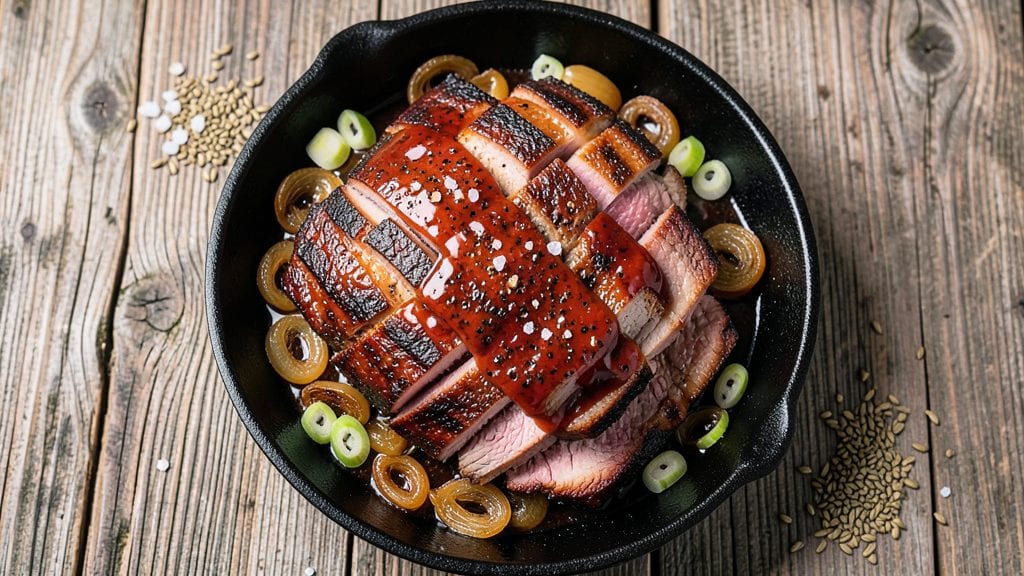
A barbecue Boston butt roast transforms tough pork into melt-in-your-mouth perfection with just a few key techniques. After years of perfecting this recipe—including my first BBQ competition win—I’ve simplified the process so anyone can achieve restaurant-quality results at home.
The secret lies in balancing smoke, time, and temperature to create that coveted bark while keeping the meat juicy.
This recipe delivers fall-apart tenderness with minimal effort, thanks to a foolproof method that includes a dry rub, low-and-slow cooking, and precise internal temperature checks. You’ll need about 6 hours of cooking time (plus prep), but the hands-off approach makes it ideal for weekends or gatherings.
The result? A shoulder roast so flavorful and tender, it’ll have everyone asking for seconds.
By the time you slice into this roast, you’ll see why it’s worth the wait: crispy bark on the outside, juicy meat that practically dissolves on your fork, and a smoky aroma that fills your home.
Serve it with classic BBQ sides like coleslaw or cornbread for a meal that feels like a celebration. Here’s how to make it happen.
The beauty of this recipe is its versatility—use it for family dinners, potlucks, or even meal prep. The leftovers reheat beautifully, making it a practical choice for busy weeks. Let’s get started on creating your best Boston butt yet.
Ingredients for barbecue boston butt roast
Eight pounds of pork plus a handful of pantry staples transform into competition-worthy BBQ.
| Ingredient | Amount | Notes |
|---|---|---|
| Boston Butt Pork Roast 🥩 | 8 lb | Bone-in preferred for flavor |
| Yellow Onion 🧅 | 2 whole | Large, peeled and quartered |
| Garlic Cloves 🧄 | 8 cloves | Peeled, smashed for rub |
| Brown Sugar 🍯 | ½ cup | Light or dark preferred |
| Smoked Paprika 🌶️ | 2 tbsp | For authentic BBQ flavor |
| Ground Black Pepper 🌶️ | 1 ½ tbsp | Freshly ground preferred |
| Diamond Crystal Kosher Salt 🧂 | 2 tbsp | For balanced seasoning |
| Ground Cumin 🌿 | 1 tbsp | Toasted for deeper aroma |
| Dried Mustard Powder 🌶️ | 1 tbsp | Adds tangy depth |
| Apple Cider Vinegar 🍎 | ¼ cup | For tangy glaze base |
| Honey 🍯 | ¼ cup | Wildflower preferred |
| Yellow Mustard 🍯 | 2 tbsp | For glaze stickiness |
| Wood Chips 🌳 | 2 cups | Hickory or apple preferred |
| Wood Chips 🌳 | 2 cups | Hickory or apple preferred |
| Apple Juice 🍎 | ½ cup | For spritzing during cook |
The Boston butt is your star—look for a well-marbled cut with visible fat cap (that's where the flavor hides). Costco or local butchers often have the best quality, but any reputable grocery store's fresh meat counter works. If you're buying frozen, thaw it in the fridge for 24-48 hours—never in cold water, that turns the meat mushy. The wood chips? Hickory gives classic BBQ smoke, while apple adds subtle sweetness. Soak them in water for 30 minutes before using to prevent flare-ups. And trust me, skip the pre-marinated—this dry rub is where the magic happens.
No smoked paprika? Regular paprika plus a pinch of liquid smoke works in a pinch. Short on time? Pre-mix the rub and store it in an airtight container for up to 6 months. The glaze can be made ahead too—just whisk everything together and refrigerate for up to 1 week. Swapping the apple cider vinegar? Balsamic vinegar adds depth, but cut the amount to 2 tbsp since it's stronger. For the wood chips, cherry or pecan work beautifully if you want something fruitier. And if you're cooking indoors, smoked salt in the rub adds that smoky touch without a smoker.
This roast reheats like a dream—just slice it thin, warm in a 350°F oven for 10-15 minutes with a splash of apple juice, and it's restaurant-quality again. Leftovers keep 4-5 days in the fridge, or freeze for up to 3 months (portion into individual servings first). The bark? Save some slices for sandwiches—it's the good stuff. And if you make extra glaze, it keeps 2 weeks in the fridge, perfect for drizzling on cornbread or grilled veggies.
Why You'll Love This Recipe
- Foolproof Prep: I swear by this—just slice the onion, mince the garlic, and mix the spices. No fancy techniques, no stress. The roast practically cooks itself while you chop veggies for the side.
- Smoky Sweet Magic: That caramelized brown sugar meets the smoky paprika? Pure flavor gold. It’s got the deep, tangy kick of barbecue with just enough sweetness to make everyone reach for seconds.
- Leftovers Heaven: Between us, this roast is so good cold that I’ll eat it for lunch the next two days. Slice it thin for sandwiches, cube it for tacos—it’s the ultimate meal prep hack.
- Budget Crowd-Pleaser: A whole Boston butt feeds 8+ for under $15 a serving. Honestly, it’s the kind of dish where you’ll get compliments and save money—win-win.
Step-by-step instructions for smoky, fall-apart Boston butt roast
Here's the method that guarantees tender, bark-covered perfection with minimal fuss.
Prepare the Dry Rub and Season the Meat
In a medium bowl, combine the 0.5 cup brown sugar, 2 tbsp smoked paprika, 1.5 tbsp ground black pepper, 2 tbsp diamond crystal kosher salt, 1 tbsp ground cumin, and 1 tbsp dried mustard powder. Mix thoroughly until the spices are evenly distributed and the sugar dissolves slightly from the moisture in the spices.
Pat the 8 lb boston butt pork roast dry with paper towels—this is crucial for developing that coveted bark. Generously coat all sides of the meat with the spice mixture, pressing firmly so the rub adheres. For extra flavor penetration, rub the mixture into the fat cap and any crevices. Let the seasoned roast sit at room temperature for 30 minutes before smoking to ensure even cooking.
Set Up the Smoker and Add Wood Chips
Fill your smoker with the 2 cups wood chips (hickory or apple preferred) and soak them in water for 30 minutes if your smoker requires it. Preheat the smoker to 225°F using indirect heat. This low-and-slow approach is key to breaking down the connective tissue without drying out the meat.
Once the smoker reaches temperature and you see steady, thin blue smoke (not thick white), place the seasoned boston butt pork roast fat-side up on the grill grates. The fat will render slowly, basting the meat and contributing to that rich, smoky flavor. Avoid opening the smoker lid during the first hour to maintain a stable temperature.
Spritz and Monitor for the Stall
After the first 4 hours of smoking, prepare the apple cider vinegar and apple juice mixture by combining the 0.25 cup apple cider vinegar, 0.25 cup honey, and 2 tbsp yellow mustard in a small bowl. Stir well to create a sticky glaze. Using a basting brush, generously coat the roast with this mixture every hour during the cook. This helps prevent a dry bark and adds a tangy sweetness.
Continue smoking the roast until the internal temperature reaches 195-203°F on a meat thermometer inserted into the thickest part of the meat (avoid touching bone). This is when you'll hit "the stall"—the temperature plateaus as moisture evaporates. This is normal and expected; don't rush it. The meat will continue cooking through the stall and emerge fork-tender.
Wrap and Finish Cooking
Once the roast reaches 195°F, remove it from the smoker and wrap it tightly in heavy-duty aluminum foil. This "Texas crutch" technique helps the roast absorb its own juices and finish cooking without drying out. Return the wrapped roast to the smoker and continue cooking until the internal temperature reaches 203°F, about 1-2 additional hours.
During this final stage, the roast will develop a beautiful bark on the exterior while remaining tender and juicy inside. The foil wrap also helps retain moisture, ensuring every slice is succulent. Let the wrapped roast rest for 30 minutes before slicing to allow the juices to redistribute throughout the meat.
Slice and Serve with Confidence
Unwrap the roast and slice it against the grain into ½-inch thick slices. The meat should be so tender it practically falls apart with minimal effort. Serve immediately with the rendered juices from the foil pan spooned over the top for extra flavor.
This method delivers a boston butt pork roast with a perfect balance of smoky, sweet, and tangy flavors, all while maintaining that coveted tenderness. The key is patience—low and slow is the only way to achieve this level of perfection. Enjoy your masterpiece with classic barbecue sides like coleslaw and cornbread.
Pro Tips For Making Barbecue Boston Butt Roast
- SEAR THE FAT FIRST: Let that Boston butt sit uncovered on high heat for 10-15 minutes until the fat renders and the edges turn golden. I learned this the hard way—skipping the sear means the rub sticks like glue and you end up with a dry, flavorless mess. The crust locks in moisture, so don’t rush it.
- CHAR THE ONIONS: Dice those yellow onions thick (½-inch chunks) and cook them in the same pan until they’re blackened around the edges. The caramelized bits dissolve into the sauce later, adding depth. Yes, it looks burnt—good. Scrape up those bits with a wooden spoon; that’s where the flavor hides.
- DON’T PUNCH THE MEAT: Resist the urge to stab the roast with a fork or meat thermometer until it’s actually done. Every time you pierce it, juices escape, and you’re left with a sad, dry pork shoulder. Let it rest 15-20 minutes after hitting 203°F internal temp—your knife will slide in like butter.
- BROWN THE PAPRIKA: Toast the smoked paprika in a dry skillet for 30 seconds until it smells toasty. It deepens the flavor without adding heat, and the aroma alone makes the whole dish taste better. Skip this, and you’re missing out on that smoky punch that defines the dish. (I know, I know—it’s an extra step, but trust me.)
Dietary considerations for this dish
Gluten-Free Adaptations
This recipe naturally accommodates gluten-free diets since the dry rub and glaze contain no wheat-based ingredients. The key is ensuring your smoked paprika and mustard powder are certified gluten-free—brands like Penzeys or Simply Organic are reliable choices.
Cross-contamination is the real concern: use separate utensils, cutting boards, and aluminum foil if you've handled gluten-containing ingredients recently. 🌾
Low-Carb/Keto Options
For a keto-friendly version, skip the brown sugar in the rub and replace it with 1 tbsp erythritol or monk fruit sweetener (like Lakanto). The glaze can be adjusted by omitting the honey and using 2 tbsp sugar-free maple syrup instead.
Watch your carb count carefully—the apple cider vinegar adds minimal carbs, but the mustard contributes a few grams per serving. The meat itself remains zero-carb, making this a fantastic keto protein source.
Dairy-Free Considerations
This recipe is already dairy-free, but if you're serving it to guests with dairy sensitivities, double-check that your yellow mustard (like French's) contains no milk derivatives. The rendered pork fat during cooking provides enough richness that no dairy substitutes are needed.
For extra flavor, consider adding 1 tbsp apple cider vinegar to the glaze for tanginess without dairy. The bark remains beautifully crispy without any milk-based components.
Allergen-Friendly Swaps
For nut allergies, ensure your honey is processed in a nut-free facility (many commercial honeys are cross-contaminated). Soy allergies aren't typically an issue here, but if you're concerned, use soy-free mustard like Maille. Egg allergies pose no risk in this recipe.
The wood chips and spices are generally safe, but always verify packaging for potential allergen warnings. I keep a small stash of Penzeys spices in individual containers to avoid cross-contact when cooking for multiple dietary needs.
Protein-Packed Modifications
Want to boost the protein content? Consider adding ¼ cup vital wheat gluten (if gluten isn't a concern) to the rub—it adds texture and protein without altering flavor.
For a truly gluten-free boost, mix 2 tbsp nutritional yeast into the rub for a cheesy, umami depth while increasing protein by about 5 grams per serving.
The meat's natural protein remains high at roughly 40 grams per 6-ounce serving, making this an excellent choice for muscle recovery or high-protein diets.
Nutrition facts
Frequently asked questions
How long does it take to cook an 8 lb Boston butt roast?
Expect a total cooking time of about 6-8 hours at 225°F. The first 4 hours are unwraped, then you'll hit "the stall" around 195°F—this is normal! Wrap the roast in foil at this point and finish cooking to 203°F (another 1-2 hours). Always use a meat thermometer for accuracy.
Can I cook this in an oven instead of a smoker?
Use a slow cooker on low for 8-10 hours or a 325°F oven for 6-8 hours. For smoky flavor, place a water pan with 2 tbsp apple wood chips on the oven rack. The bark will be less crispy, but the meat will still be tender and flavorful.
What's the best way to slice the roast?
Slice against the grain (perpendicular to the muscle fibers) into ½-inch thick pieces. Look for the direction of the muscle fibers—if you're unsure, ask your butcher. Slicing against the grain ensures each bite is tender. Use a sharp knife and let the meat rest 30 minutes before slicing for cleaner cuts.
Why did my roast turn out dry?
Overcooking or opening the smoker too often are the most common causes. Keep the temperature steady at 225°F and avoid peeking! The stall (temperature plateau) is normal—don't rush it. Wrapping the roast in foil at 195°F helps retain moisture. For extra juiciness, spritz with apple juice every hour during cooking.
How far ahead can I prep the dry rub?
Pre-mix the dry rub and store it in an airtight container for up to 6 months in a cool, dark place. The glaze can be made 1 week ahead and refrigerated. Pat the meat dry right before seasoning—never prep it too early, as excess moisture prevents bark formation.