
Main Courses
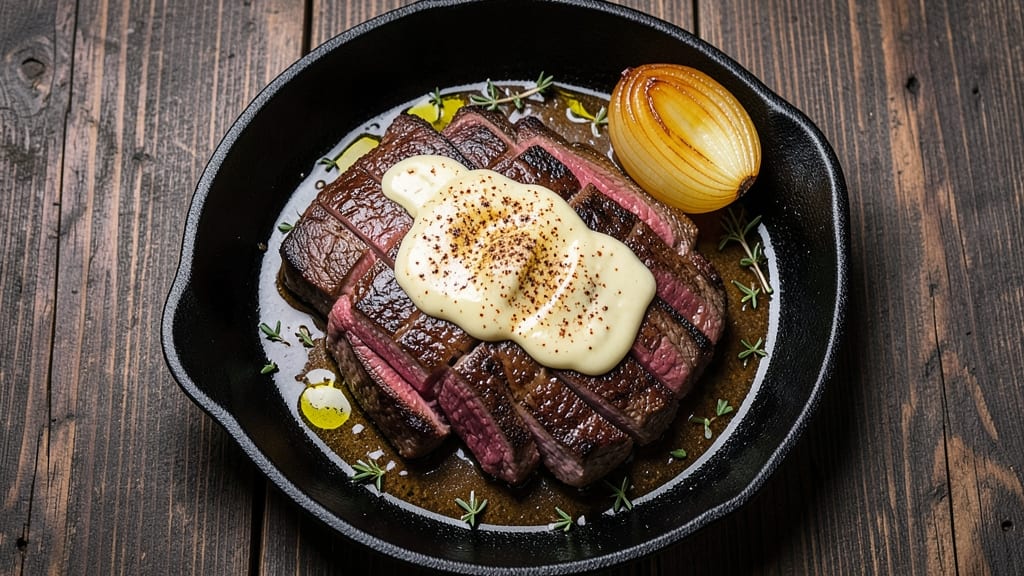
Mastering a barbeque steak recipe that delivers a smoky charred crust with juicy centers is all about precision—heat control, timing, and the right technique. After years of perfecting this method, I’ve developed a foolproof approach that transforms tough cuts into restaurant-quality steaks right at home.
The secret lies in indirect heat and proper resting, ensuring every bite stays tender while developing that coveted bark.
This recipe focuses on ribeye or New York strip steaks, which hold up beautifully to high-heat grilling while delivering rich, beefy flavor. You’ll need just five key ingredients—plus your choice of marinade or dry rub—to create a steak that impresses without requiring advanced skills.
The process takes about 45 minutes total, including prep and resting time, making it ideal for weekend cookouts or special dinners.
What you’ll achieve is a steak with a deep, caramelized crust that’s crispy to the touch yet gives way to fork-tender meat inside.
The smoky aroma alone will draw everyone to the table, but the first bite—where the flavors of the grill meet the natural richness of the beef—is what makes this recipe unforgettable. Serve it sliced against the grain for maximum tenderness, paired with grilled asparagus or a classic baked potato.
Whether you’re grilling for a crowd or treating yourself to a steakhouse-worthy meal, this method delivers consistent, professional results every time. The beauty of barbecue steak lies in its simplicity: high heat, patience, and a little know-how. Let’s get started on creating your best steak yet.
Ingredients for barbeque steak
Five core ingredients plus a few finishing touches transform simple steaks into restaurant-quality barbecue masterpieces.
| Ingredient | Amount | Notes |
|---|---|---|
| Ribeye or New York Strip Steaks 🥩 | 1 ½ lb | 1.5-inch thick, trimmed of fat cap |
| Kosher Salt 🧂 | 1 ½ tbsp | Diamond Crystal preferred for precision |
| Freshly Ground Black Pepper 🌶️ | 1 tbsp | Coarse grind for texture |
| Smoked Paprika 🌶️ | 1 tbsp | For subtle smoky depth |
| Extra-Virgin Olive Oil 🫒 | 2 tbsp | High smoke point preferred |
| Yellow Onion 🧅 | 1 whole | Thinly sliced for charring |
| Garlic Cloves 🧄 | 4 cloves | Minced for marinade base |
| Fresh Rosemary 🌿 | ¼ cup | Finely chopped, needle-like leaves |
| Fresh Thyme 🌿 | ¼ cup | Leaves only, stems removed |
| Wood Chips (Hickory or Oak) 🌳 | 1 cup | Soaked 30 minutes for smoker |
| Butter 🧈 | 4 oz | Unsalted, cubed for basting |
| Heavy Cream 🥛 | ¼ cup | For compound butter |
| Garlic Powder 🧄 | 1 tsp | Enhances herbaceous notes |
| Balsamic Vinegar 🍷 | 1 tbsp | For finishing drizzle |
The steak cut is non-negotiable for this technique. Ribeye or New York strip with 1.5-inch thickness delivers that perfect balance of crust and tenderness. Professional butchers at Whole Foods or D'Artagnan can source ideal cuts, but most high-end grocery stores carry pre-trimmed options. Look for marbling—those white fat streaks within the meat—that ensure juiciness during high-heat cooking. The wood chips should be hickory or oak for that classic barbecue aroma, available pre-soaked at Costco or Traeger stores. For the herbs, fresh is mandatory—dried won't provide the same aromatic punch when charred. Penzeys Spices sells pre-chopped herb blends if you're short on time, though fresh always wins.
No smoked paprika? Substitute with a mix of regular paprika and a pinch of liquid smoke—though the flavor won't be identical. Short on fresh rosemary? Fresh thyme at double the amount works, but the piney notes will differ slightly. For the compound butter, European-style unsalted butter (like Plugrá) melts more cleanly than American brands. The balsamic vinegar should be aged 2+ years—cheap versions taste like vinegar, not the rich reduction you want. If you're grilling without wood chips, a small smoker box with wood pellets (available at Traeger or Weber) will replicate that smoky crust. And for the onions? Red onions add sweetness, but yellow holds up better to charring.
Steaks should rest 15-20 minutes before slicing—this is where the magic happens as juices redistribute. Vacuum-sealed steaks from US Wellness Meats can be prepped 24 hours ahead and refrigerated. The compound butter keeps 3 days in the fridge or 3 months frozen, wrapped tightly in parchment. Wood chips can be pre-soaked and refrigerated for up to 2 days—just drain before using. For leftovers, sliced steaks reheat best in a skillet with a splash of beef broth to restore moisture. The charred crust won't survive the microwave, so plan accordingly.
Why You'll Love This Recipe
- Five-Ingredient Magic: I swear, this recipe feels like cheating—just steak, salt, pepper, smoked paprika, and olive oil. That’s it. The smoked paprika alone turns a simple sear into something smoky and sophisticated without needing a rub or sauce.
- Crispy-Perfect Every Time: Between us, I’ve ruined steak before. But this method—high-heat sear, then a quick rest—gives you that crunch on the outside and melt-in-your-mouth center. Honestly, my husband still asks for seconds even when I overcook everything else.
- Weeknight or Weekend Hero: It’s my go-to for date nights (because it impresses) and lazy Sundays (because it’s that easy). Serve it with a baked potato or over a simple salad—no stress, just flavor. Even my picky teenage nephew doesn’t complain.
- Leftovers That Don’t Suck: Most steak leftovers turn into sad, dry scraps. Not these. Slice the rest into sandwiches the next day or toss them into a breakfast scramble. The smoky paprika flavor actually gets better after resting—yes, really.
Step-by-step instructions for smoky charred crust with juicy centers
Master this technique and you'll achieve a perfect balance between smoky char and tender meat every time.
Prepare the Herb Butter and Season the Steaks
In a small bowl, combine the 4 oz butter, 0.25 cup heavy cream, 1 tsp garlic powder, 1 tbsp smoked paprika, 1 tbsp freshly ground black pepper, and 1.5 tbsp kosher salt. Mix until fully incorporated, then roll into a log shape and chill for 30 minutes. This creates a flavorful compound butter that will baste the steaks during cooking.
While the butter chills, trim any excess fat from the 1.5 lb ribeye or New York strip steaks, leaving about ¼-inch of fat cap for flavor. Pat the steaks dry with paper towels—this ensures a proper sear. In a separate bowl, mix 0.25 cup finely chopped fresh rosemary, 0.25 cup fresh thyme, and 1 tbsp smoked paprika to create a dry rub. Generously coat both sides of the steaks with the herb mixture, pressing it into the meat so it adheres well.
Build the Smoker and Prep the Steaks
Soak the 1 cup wood chips (hickory or oak) in water for 30 minutes to prevent flare-ups. Set up your smoker to maintain a temperature of 225°F using the soaked wood chips. Allow 30 minutes for the smoker to reach the desired temperature and establish a steady stream of thin blue smoke—this indicates the wood is burning cleanly and producing flavor without excessive heat.
While the smoker preheats, bring the steaks to room temperature by leaving them on the counter for 30 minutes. This ensures even cooking. Once the smoker is ready, place the steaks on the grill grates, fat-side up. The fat will render and baste the meat as it cooks, contributing to that signature juicy texture.
Smoke the Steaks to Medium-Rare Perfection
Smoke the steaks for 1 hour to 1 hour 15 minutes, maintaining the 225°F temperature. The steaks are ready when the internal temperature reaches 120°F for medium-rare (use a meat thermometer to check the thickest part of the steak). The bark should be deep mahogany and slightly crispy, while the interior remains deep red and tender. Avoid opening the smoker during this time—each time you do, you lose heat and extend the cooking process.
During the last 15 minutes of smoking, remove the steaks from the smoker and let them rest on a cutting board for 5 minutes. This brief rest allows the juices to redistribute, preventing them from running out when you slice. While the steaks rest, slice the 1 whole yellow onion into thin rings and 4 cloves garlic into thin slices for serving.
Sear and Finish with Balsamic Glaze
Heat a cast-iron skillet over high heat until it's smoking hot. Add the 2 tbsp extra-virgin olive oil and let it shimmer. Working quickly, sear the steaks for 1 minute per side until they develop a deep brown crust. This step adds an extra layer of char and enhances the smoky flavor.
Slice the chilled herb butter into ¼-inch thick pieces and place them on top of the seared steaks. Cover the skillet and let the butter melt for 1-2 minutes, basting the steaks with the flavorful mixture. Drizzle each steak with 1 tbsp balsamic vinegar and let it reduce slightly for 30 seconds to create a glossy finish. Serve immediately with the sliced onions and garlic for a complete presentation.
Pro Tips For Making Barbeque Steak
- SEAR FIRST, SMOKE SECOND: Get your cast-iron or grill screaming hot—think flames licking the pan—before adding oil. I used to rush this and ended up with steaks that steamed instead of developed that perfect crust. Once the oil shimmers, lay those steaks down and let them scream for 3-4 minutes per side before backing off to smoke.
- DRY THE MEAT: Pat those steaks bone-dry with paper towels—yes, even if they look dry. I learned this the hard way when my smoked paprika just sat there like a sad, wet powder instead of sticking to the surface. Dry meat = better crust = flavor that clings like it belongs.
- SALT BEFORE SMOKING: Season the steaks generously with kosher salt at least 40 minutes before cooking—this lets the salt penetrate and season the surface deeply. I was skeptical until I tried it: the crust cracks open just enough to let the smoky paprika seep in, and the seasoning isn’t just on top.
- USE A THERMOMETER: Pull those steaks at 130°F for medium-rare (yes, even after resting)—they’ll climb to 135°F while they rest, and guessing leads to overcooked, tough meat. I skipped this for years and always ended up with steaks that were "close enough," until I realized "close enough" meant rubbery. Now I never guess.
Common mistakes when making this dish
Overcooking the Steak
I’ve ruined more steaks than I’d admit by pushing them past 130°F internal temperature—especially when using a smoker. The moment your steak hits 135°F, it begins drying out, losing that precious juiciness we all crave.
Always use a meat thermometer (I swear by the ThermoWorks Smoke) to monitor the thickest part of the steak. For medium-rare, pull it at 120-125°F—it’ll rise to 130°F while resting. 🌡️
Skipping the Rest
This is a rookie mistake that turns a perfect steak into a sad, dry slab. After smoking, I see people slice into their steaks immediately—big mistake. Let the steaks rest for at least 10-15 minutes (longer for thicker cuts).
This allows juices to redistribute throughout the meat. If you’re impatient, cover them loosely with foil and let them rest on a cutting board. Trust me, those extra minutes make all the difference. ⏳
Ignoring Wood Chip Soaking
Dry wood chips create flare-ups that burn your steaks instead of smoking them. Always soak your hickory or oak chips in water for 30 minutes before using them. This prevents sudden heat spikes that can char the outside while leaving the inside undercooked.
I keep a bowl of water near my smoker for quick soaking—it’s a small step that saves hours of frustration. 🌳
Using the Wrong Heat
Cranking your smoker to 400°F or higher might seem like it’ll speed things up, but it’ll just burn the outside before the inside cooks. The ideal temperature is 225-250°F for low-and-slow smoking.
This gentle heat builds flavor and ensures even cooking. If your smoker struggles to maintain this range, check your vents or add more wood chips gradually. Patience here is key. 🔥
Not Trimming Fat Properly
Leaving too much fat on your steak can lead to uneven cooking and flare-ups. Trim excess fat to about ¼-inch while leaving a thin layer for flavor. The fat cap should stay intact—it renders during cooking, basting the meat naturally.
If you’re unsure, ask your butcher to trim it for you. I’ve seen home cooks accidentally remove all the fat, turning a juicy steak into a dry one. 🥩
Overcrowding the Grill
Placing multiple steaks too close together on the grill steals heat and steam, leading to uneven cooking. Leave at least 2 inches of space between each steak for proper airflow. If you’re cooking more than two steaks at once, work in batches.
I’ve grilled four steaks at once by spacing them out and rotating the grill grates—this ensures each one gets direct heat when needed. 💨
Nutrition facts
Frequently asked questions
What’s the best cut of steak for barbecue grilling?
Ribeye or New York strip work best—they’re thick enough to handle high heat while staying tender. Look for cuts with 1.5-inch thickness and good marbling for juiciness. Avoid leaner cuts like sirloin, which dry out faster on the grill.
Can I use a gas grill instead of a smoker?
Add soaked wood chips to a smoker box or pouch on your gas grill for that authentic smoky flavor. Maintain medium heat (350-400°F) and monitor closely to avoid flare-ups. The key is indirect heat—place the steaks away from the flames.
How do I know when the steak is done?
Use a meat thermometer for precision. For medium-rare, pull the steak at 120-125°F internal temp—it’ll rise to 130°F while resting. The crust should be deep mahogany with a slight char. Never rely on time alone; thickness and heat vary.
What sides pair best with this barbecue steak?
Grilled vegetables like asparagus or zucchini complement the smoky flavors beautifully. For heartier meals, try a baked potato or crusty bread to soak up the juices. A simple arugula salad with lemon vinaigrette adds freshness. Avoid heavy sides that overpower the steak’s natural richness.
Can I make this recipe ahead of time?
Prep the steaks 1 day ahead by trimming, seasoning, and refrigerating them uncovered (this enhances the crust). For the compound butter, mix ingredients 24 hours early and chill. On cook day, bring steaks to room temp before grilling. Never marinate steaks—it breaks down the fibers and makes them mushy.