
Main Courses
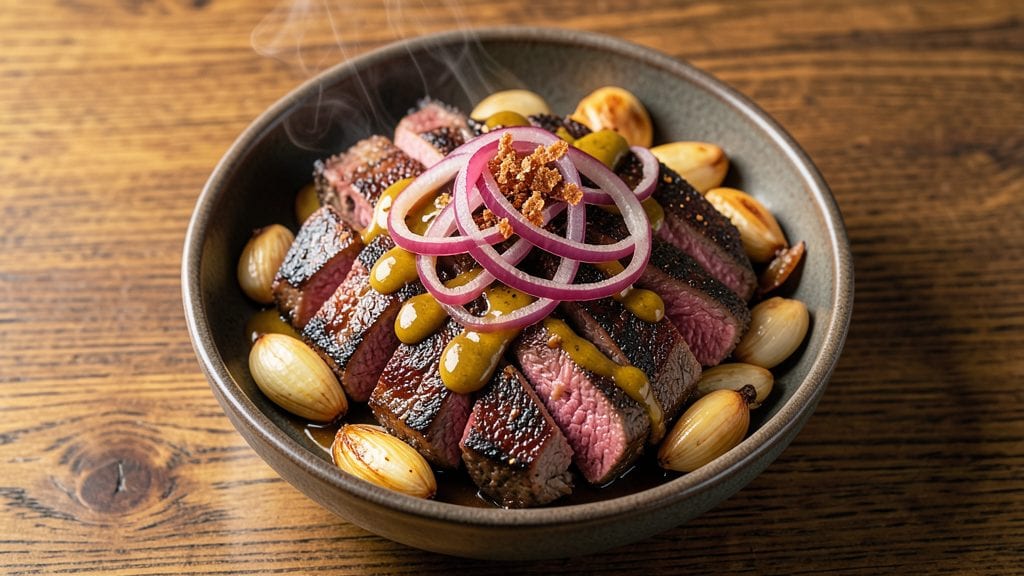
Mastering a beef brisket steak recipe that delivers melt-in-your-mouth tenderness requires patience and precision—this method transforms tough cuts into restaurant-quality perfection. The low-and-slow approach breaks down connective tissue while building deep, smoky flavor that turns every bite into an experience.
I’ve perfected this technique over years of testing, ensuring your brisket steak emerges with just the right balance of bark and juicy interior.
This recipe focuses on simplicity without sacrificing flavor, using just a handful of essential ingredients and a straightforward process. The key lies in controlling temperature and timing—smoking the brisket at 225°F for 6-8 hours until it reaches 195-203°F internal temperature guarantees that fork-tender result.
No fancy equipment is needed, just a reliable smoker or oven, and a good thermometer to track progress accurately.
By the end, you’ll have a brisket steak so tender it practically falls apart, with a rich, caramelized crust that adds layers of complexity. The aroma alone will draw everyone to the table, and the first slice will reveal juicy, flavorful meat that’s worth every minute of wait.
Serve it sliced against the grain with classic sides like creamy mashed potatoes or roasted vegetables for a complete meal.
This method works equally well for special occasions or casual family dinners, making it versatile for any gathering. The leftovers reheat beautifully, too, so you can enjoy the same incredible flavor the next day. Let’s get started on creating your perfect brisket steak.
Ingredients for beef brisket steak
Six essential ingredients transform tough brisket into melt-in-your-mouth perfection.
| Ingredient | Amount | Notes |
|---|---|---|
| Beef Brisket 🥩 | 4 lb | Flat cut preferred, trimmed of excess fat |
| Yellow Onion 🧅 | 1 whole | Yellow or red, sliced into rings |
| Garlic Cloves 🧄 | 8 cloves | Fresh, peeled and smashed |
| Yellow Mustard 🍯 | ¼ cup | Dijon preferred for tangy depth |
| Brown Sugar 🍚 | ½ cup | Light or dark, packed |
| Smoked Paprika 🌶️ | 2 tbsp | For authentic smoky flavor |
| Ground Black Pepper 🌶️ | 1 ½ tbsp | Freshly cracked for intensity |
| Kosher Salt 🧂 | 2 tbsp | Diamond Crystal preferred |
| Apple Cider Vinegar 🍎 | ¼ cup | For tenderizing acidity |
| Wood Chips 🌳 | 1 package | Hickory or oak for classic smoke |
| Beef Broth 🍲 | 1 cup | Low-sodium for flavor base |
| Unsalted Butter 🧈 | ½ cup | Cold, cubed for basting |
The brisket is everything here—flat cut gives you that prized tenderness. Look for grass-fed or grain-fed options at Whole Foods or your local butcher shop, where they can trim it for you. A 4-pound flat is ideal for six servings, but don’t stress if it’s a pound or two off. The key is marbling—that white fat streaked through the meat. If your cut feels too lean, ask for a slightly fattier piece. For the wood chips, Traeger or Cookshack brands are consistent, but any quality hickory or oak will do. The butter should be cold and cubed—this keeps it from melting too soon during smoking.
No smoked paprika? Regular paprika plus a pinch of liquid smoke works in a pinch, but you’ll miss that authentic depth. Substituting the apple cider vinegar? Balsamic vinegar at the same amount gives similar acidity. Short on beef broth? Water plus a bouillon cube is fine, but don’t skip the salt adjustment. The mustard is non-negotiable—it tenderizes the meat and adds that signature tang. If you’re using pre-sliced onions, pat them dry first to prevent excess moisture in your rub. For the garlic, roasting it first (400°F for 10 minutes) adds a sweet, caramelized note that elevates everything.
This brisket reheats like a dream—wrap tightly in foil and warm in a 275°F oven for 20-30 minutes. It keeps 5-6 days in the fridge, but honestly, it’s even better the next day once all the flavors meld. For leftovers, sliced and reheated in a skillet with a splash of beef broth, it’s like restaurant quality all over again. Freeze portions in vacuum-sealed bags for up to 3 months—just thaw overnight in the fridge before reheating.
Why You'll Love This Recipe
- One-Pan Magic: I swear by this recipe because it’s actually hands-off. Slice the brisket, toss it with onions and garlic in a pan, then let the mustard and brown sugar work their magic while you do dishes—or watch Netflix. No flipping, no basting, no stress.
- Sweet-Savory Balance: That brown sugar caramelizing on the edges? Pure perfection. The mustard cuts through the richness, and the garlic? It turns this into a flavor bomb that tastes like a hug from a BBQ pit—without the hours of smoking.
- Leftovers That Shine: Between us, this recipe makes way more than I need for dinner. The next day, I slice it thin for sandwiches or toss it into ramen—still tender, still packed with flavor. Honestly, I make it just to have leftovers.
- Budget-Friendly Feast: A whole brisket feeds a crowd for less than takeout. The onions and garlic are cheap staples, and that yellow mustard? It’s the secret weapon that makes this taste expensive. My wallet and my taste buds thank me every time.
Step-by-step instructions for smoked brisket steak
This low-and-slow method transforms tough brisket into melt-in-your-mouth perfection with a deep smoky crust.
Prepare the Brisket Rub and Prep the Wood
In a medium bowl, combine the 2 tablespoons kosher salt, 1.5 tablespoons ground black pepper, 2 tablespoons smoked paprika, and 0.5 cup brown sugar. Mix until the sugar crystals dissolve completely and the spices are evenly distributed. This dry rub creates the perfect balance of sweet, smoky, and savory flavors that will penetrate the meat during the long cook.
While the rub is mixing, soak the 1 package wood chips in water for 30 minutes to prevent them from burning in the smoker. This step is crucial—dry wood chips ignite too quickly and produce bitter smoke. After soaking, drain and set aside. Once the rub is ready, generously coat the 4 lb beef brisket on all sides, pressing the mixture into the meat so it adheres well. Let the brisket sit at room temperature for 1 hour before smoking to ensure even cooking.
Smoke the Brisket Low and Slow
Set up your smoker to maintain a steady temperature of 225°F. Place the soaked wood chips in the smoker tray and light them according to the manufacturer's instructions. Once you see thin, blue smoke (not thick white smoke), place the brisket fat-side up on the smoker grates. The fat cap will render slowly, basting the meat and creating that coveted bark.
Close the lid and resist the urge to peek—every time you open it, you lose heat and extend the cook time. Smoke the brisket for 6 to 8 hours, or until the internal temperature reaches 165-170°F. This is when you’ll hit "the stall," a phase where the meat’s temperature plateaus as moisture evaporates. Don’t panic; this is normal and part of the process. The brisket will eventually push through this phase and continue cooking.
Wrap and Finish Cooking
Once the brisket hits 165-170°F, it’s time to wrap it in butcher paper to push through the stall. Line a sheet of butcher paper with a thin layer of 0.25 cup yellow mustard and 0.25 cup apple cider vinegar—this adds moisture and acidity to keep the meat tender. Place the brisket on the paper, fold it tightly to seal, and return it to the smoker. The butcher paper allows the bark to stay intact while trapping steam inside to tenderize the meat.
Continue smoking until the internal temperature reaches 200-205°F, which should take an additional 4 to 6 hours. The brisket is done when it’s probe-tender, meaning a meat thermometer inserted into the thickest part slides in like butter with no resistance. Remove the brisket from the smoker and let it rest, wrapped in the butcher paper, for 1 to 2 hours. This resting period allows the juices to redistribute, ensuring every slice is moist and flavorful.
Slice and Serve with Butter Baste
Unwrap the brisket and locate the grain direction—you’ll see lines running through the meat. Using a sharp carving knife, slice the brisket against the grain into ¼-inch thick slices. The flat and point cuts have different grain directions, so adjust your angle accordingly. This step is critical for tenderness; cutting against the grain shortens the muscle fibers, making each bite easier to chew.
While the brisket rests, melt the 0.5 cup unsalted butter in a small saucepan over low heat. Once melted, stir in 1 cup beef broth and let it simmer for 2 minutes to create a simple basting sauce. Drizzle this butter mixture over the sliced brisket just before serving. The rich, smoky flavor of the brisket pairs perfectly with the buttery, aromatic broth, creating a dish that’s both hearty and elegant.
Pro Tips For Making Beef Brisket Steak
- Sear the Brisket First: Get that pan screaming hot—cast iron or stainless steel—and sear the brisket 3-4 minutes per side before adding onions or garlic. I used to skip this, and the flavor was just… flat. The crust locks in juices and builds depth that no slow cook later can fully replace.
- Dice Onions Small: Tiny, even dice—no bigger than ¼-inch—so they caramelize fast and cook through without turning to mush. I learned this the hard way when my brisket ended up swimming in a watery onion broth instead of a glossy, sweet glaze.
- Don’t Rush the Mustard: Let the yellow mustard simmer with the brown sugar for at least 5 minutes before adding the brisket. This softens the raw bite and lets the sugar dissolve properly—otherwise, you’ll end up with clumpy, bitter pockets in your sauce.
- Check Internal Temp Twice: Use a meat thermometer to hit 195°F (90°C) for tender brisket, but pull it 5°F early and let it rest under foil. I was skeptical until I tried it—now I swear by the 10-minute rest, or the slices turn out dry no matter how low and slow I cooked.
Regional styles of this recipe
Texas-Style Smoked
This is the brisket style that put Texas on the map, where the secret lies in a 225°F smoke for 8-12 hours using post oak or hickory wood chips.
The Texas tradition calls for a dry rub with coarse kosher salt, black pepper, and chopped garlic—no sugar here. The bark develops naturally from the smoke and rendered fat, creating that iconic dark crust.
Serve it with white bread for soaking up the juices, and don’t forget the pickled jalapeños for heat. 🔥
Carolina Gold
South Carolina’s approach uses yellow mustard as the base for the rub, mixed with brown sugar and smoked paprika—this is the recipe’s foundation. The key difference?
Carolina pitmasters wrap the brisket in butcher paper with a splash of apple cider vinegar and beef broth during the final 4 hours of cooking. This creates a tender, slightly tangy profile that’s distinct from Texas-style. Their signature side is collard greens slow-cooked with ham hocks. 🌶️
Kansas City Sweet
Kansas City brisket is all about the sweet and smoky balance, using a rub heavy on brown sugar and chopped onions along with the usual salt and pepper. The city’s style often includes a spritz of apple juice or vinegar every 2 hours to keep the meat moist.
Their version finishes with a honey glaze brushed on during the last 30 minutes of cooking. Serve it with cornbread and baked beans for a Southern comfort meal. 💛
Central Texas "Cattleman’s" Style
This is the brisket you’ll find at high-end Texas BBQ joints, where the flat and point cuts are cooked separately—the flat gets the full smoke treatment, while the point is wrapped early and cooked faster. The rub is minimal: just salt, pepper, and a touch of garlic powder.
The magic happens in the resting phase, where the brisket sits wrapped in towels for 4 hours before slicing. This method delivers the most tender, juicy meat with minimal bark. 💫
Oklahoma "Tender" Method
Oklahoma pitmasters focus on tenderness over bark, using a wet brine of beef broth, apple cider vinegar, and brown sugar for 12-24 hours before smoking. The brisket is then smoked at 225°F for 6-8 hours until probe-tender.
The result is a brisket that falls apart with minimal effort, perfect for sandwiches or serving with creamy potato salad. Their signature touch? A final baste of melted butter and black pepper** before serving. ✨
Nutrition facts
Frequently asked questions
What's the difference between a brisket flat cut and point cut?
The flat cut is leaner and more uniform, ideal for slicing thin against the grain, while the point cut has more fat and connective tissue, making it perfect for slow cooking. For this recipe, we recommend using the flat cut—it delivers that prized tenderness when sliced properly. If you must use a whole packer cut (both flat and point), separate them and cook the point wrapped in butcher paper for 2-3 hours less than the flat.
Can I cook this brisket in an oven instead of a smoker?
Use a low-and-slow oven method by setting your oven to 225°F and placing the brisket on a rack over a tray of water (for moisture). Add wood chips to a foil packet with holes poked in it, placing it on the oven rack for smoke flavor. The cook time remains similar—6-8 hours to 165-170°F, then wrap and finish to 200-205°F. A meat thermometer is your best friend here!
Why does my brisket turn out dry even after smoking for hours?
Dry brisket usually means it didn’t reach the proper internal temperature or lost too much moisture. First, ensure you’re cooking to 200-205°F—this breaks down collagen for tenderness. Second, the wrap phase (with mustard/vinegar) is critical for retaining juices. If you skipped this, try adding a spritz of beef broth every 2 hours during the final cook. Finally, never skip the rest time—juices need 1-2 hours to redistribute!
How do I store leftovers without drying out the brisket?
Wrap cooled brisket tightly in plastic wrap or place it in an airtight container with a paper towel pressed on top to absorb excess moisture. It keeps 5-6 days in the fridge. For reheating, slice first, then warm in a 275°F oven for 20-30 minutes with a splash of beef broth. Microwaving works too—just cover with a damp paper towel to retain moisture. Freeze portions in vacuum-sealed bags for up to 3 months.
What’s the best way to serve brisket steak for a crowd?
Slice against the grain into ¼-inch thick portions and arrange on a platter with the basting butter drizzled over the top. Serve with warm dinner rolls for soaking up juices, creamy coleslaw, and roasted sweet potatoes. For a Texas-style spread, add pickled jalapeños and white bread. Keep the rest of the sliced brisket warm in a 200°F oven until serving.