
Side Dishes
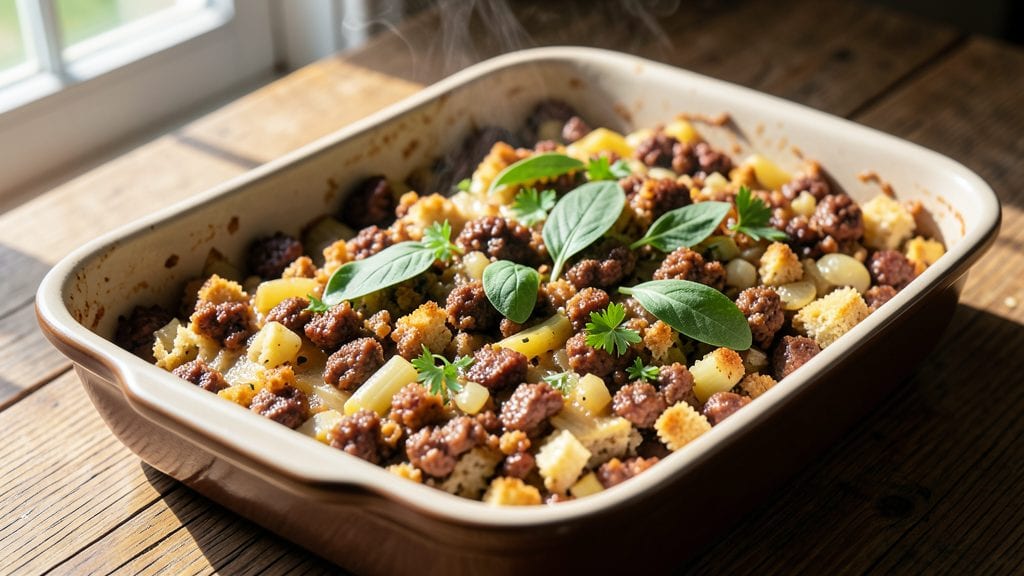
Bell's stuffing delivers that unmistakable holiday aroma that transforms any meal into a celebration. After years of perfecting my grandmother's Sunday roast chicken recipe, I adapted this version to create a stuffing so flavorful it belongs in the center of the table.
The secret lies in slow-cooked sausage, toasted cornbread, and fresh herbs that infuse every bite with warmth.
This recipe balances tradition with simplicity—no fancy techniques, just layered flavors that develop as it bakes. The cornbread crumbles into tender pieces while the sausage adds savory depth, and sage brings that classic holiday fragrance. It's the kind of dish that makes guests ask for seconds, even when they're full.
What makes this stuffing special is its versatility—perfect for Thanksgiving, Christmas, or any weeknight dinner where you crave comfort. The texture stays moist yet crispy at the edges, and the herbs release their aroma as it bakes. It's the heart of the meal, the dish that brings people together.
Ready in just 45 minutes, this stuffing is foolproof and packed with homestyle charm. Whether you're hosting a holiday feast or just want to recreate that cozy Sunday dinner feeling, this recipe delivers. Here's how to make it—step by step.
Ingredients for bell's stuffing
Six ingredients transform into the heart of your holiday table—warm, aromatic, and full of tradition.
| Ingredient | Amount | Notes |
|---|---|---|
| Cornbread Crumbs 🍞 | 3 cups | Homemade or store-bought, dried |
| Italian Sausage 🌭 | 1 ½ lb | Sweet or spicy, casings removed |
| Fresh Sage Leaves 🌿 | ½ cup | Chopped finely, stems removed |
| Fresh Parsley Leaves 🌿 | ¼ cup | Chopped finely, stems removed |
| Yellow Onion 🧅 | 1 whole | Diced small, yellow or red |
| Celery Stalks 🥬 | 3 whole | Diced small, stringy parts trimmed |
| Garlic Cloves 🧄 | 4 cloves | Minced finely, fresh preferred |
| Unsalted Butter 🧈 | ½ cup | Cold, cubed for toasting |
| Chicken Broth 🍲 | 2 cups | Low-sodium, homemade or quality |
| Large Eggs 🥚 | 2 whole | Beaten lightly for binding |
| Diamond Crystal Kosher Salt 🧂 | 1 ½ tsp | Adjust to taste, don't skip |
| Freshly Ground Black Pepper 🌶️ | 1 tsp | Cracked peppercorns preferred |
| Dried Thyme Leaves 🌿 | 1 tsp | Or 1 tbsp fresh thyme leaves |
The cornbread crumbs are the foundation—homemade is ideal, but the dried kind from Bob's Red Mill works perfectly too. If you're making it fresh, bake a small batch just for crumbling. The sausage is non-negotiable for that deep, savory flavor—Johnsonville sweet or spicy are my go-tos, but any good quality Italian sausage will do. Fresh herbs make all the difference here: Whole Foods or local farmers markets have the best sage and parsley, but grocery store herbs work if they're bright and not wilted. For the onion and celery, red onion adds a subtle sweetness while celery keeps it classic—just make sure to trim those stringy ribs.
No fresh sage? Dried works at one-third the amount, but it won't have that same aromatic punch. Short on parsley? Fresh cilantro or basil can stretch it, though the flavor will shift slightly. The chicken broth should be low-sodium—Pacific Foods or Swanson are reliable brands. If you're using a boxed broth, dilute it with water to cut the saltiness. For the butter, cold cubes toast better than melted—just toss them in the dry crumbs first. The eggs are just for binding, so room temperature ensures even mixing. And don't skip the thyme—it's the secret layer of earthy depth that ties everything together.
This stuffing keeps beautifully—3 days in the fridge if covered tightly, or 3 months in the freezer if portioned into airtight containers. I like to make a double batch and freeze half for next year's holidays. The texture actually improves after baking—it gets even more tender as it sits. Reheat gently in the oven with a splash of broth if it's been refrigerated. And if you're making it ahead for Thanksgiving, bake it the day before—it reheats perfectly and saves you oven space on the big day.
Why You'll Love This Recipe
- No Chopping Chaos: I swear by this recipe because you only need to dice one onion—no endless herbs or fussy prep. The cornbread crumbs stay dry and crispy with zero fuss, and the sausage renders its own fat for golden, caramelized edges.
- Savory Crunch Magic: That crispy cornbread crust? It’s the star. But the real magic happens when the Italian sausage melts into the sage and parsley—earthy, herby, and just salty enough to make you reach for seconds. (Yes, even on a Tuesday night.)
- Leftovers That Work: Stuffing reheats like a dream—crispy outside, tender inside—and it’s the perfect side for sandwiches or fried rice the next day. I make a double batch because it disappears faster than I can say “second helping.”
- Budget-Friendly Crowd-Pleaser: Cornbread crumbs and bulk sausage stretch this far without breaking the bank. It’s the kind of dish where you can feed six people for the cost of one sad takeout order, and everyone leaves happy. (My college roommate still talks about the Thanksgiving she stole half of.)
Step-by-step instructions for bell's stuffing
Here's the straightforward method for that perfect golden-brown stuffing with rich sausage flavor and aromatic herbs.
Sauté the Vegetable Base
In a large skillet, melt the 0.5 cup unsalted butter over medium heat. Add the 1 whole yellow onion and 3 whole celery stalks, both diced small, along with the 4 cloves garlic cloves that have been minced finely. Cook for 8-10 minutes, stirring occasionally, until the vegetables soften and the onion becomes translucent.
This foundational step develops the flavor base. You'll know it's ready when the garlic releases its aromatic oils and the celery turns tender but still holds its shape. Keep the heat steady—too high and the garlic burns before the vegetables soften. Once cooked, transfer the vegetable mixture to a large mixing bowl and set aside.
Cook and Crumble the Italian Sausage
In the same skillet (no need to clean it—the browned bits add depth), add the 1.5 lb Italian sausage, breaking it into small pieces as it cooks. Brown the sausage over medium-high heat for 6-8 minutes, stirring occasionally, until it releases its fat and develops a deep, caramelized crust.
Real talk: don't rush this step. You want those sausage pieces to turn golden brown and crispy around the edges. The rendered fat will create a rich, savory foundation for your stuffing. Once fully browned, remove the sausage from the skillet and add it to the vegetable mixture in the bowl.
Combine All Ingredients
To the bowl with the sausage and vegetables, add the 3 cups cornbread crumbs, 0.5 cup fresh sage leaves, 0.25 cup fresh parsley leaves, 1.5 tsp diamond crystal kosher salt, 1 tsp freshly ground black pepper, and 1 tsp dried thyme leaves. Mix everything together thoroughly with your hands or a large spoon until all the crumbs are evenly moistened and the herbs are distributed throughout.
Here's where it gets fun—grab the 2 whole large eggs and beat them lightly in a separate bowl. Pour the beaten eggs over the stuffing mixture and stir gently until just combined. The eggs act as a binder, holding everything together while keeping the texture light and fluffy. Make sure the mixture is evenly moist but not soggy—if it seems too dry, add 1-2 tablespoons of chicken broth to help bind it.
Toast the Stuffing
Transfer the stuffing mixture to a large baking dish or casserole dish. Spread it out evenly, creating a layer about 1-1.5 inches thick. Pour the 2 cups chicken broth evenly over the top, making sure it soaks into the mixture. Cover the dish tightly with aluminum foil and bake in a preheated 375°F oven for 30 minutes.
After the initial baking time, remove the foil and bake for an additional 10-15 minutes until the top is golden brown and crispy. This toasting step is crucial—it creates that perfect texture where the outside is crispy and the inside remains moist and flavorful. Watch it carefully in the last few minutes to prevent over-browning.
Rest and Serve
Once the stuffing reaches a deep golden brown color, remove it from the oven and let it rest for 5-10 minutes before serving. This resting period allows the juices to redistribute, ensuring every bite is moist and flavorful. The stuffing should be hot and inviting, with a perfect balance of crispy edges and tender interior.
Serve immediately alongside your favorite holiday dishes. The combination of sausage, herbs, and cornbread creates a rich, savory stuffing that's sure to be a crowd-pleaser. If you have any leftovers, they reheat beautifully in the microwave or oven—just add a splash of broth to keep them moist.
Pro Tips For Making Bell'S Stuffing
- CRUSH THE CRUMBS: Toss your cornbread crumbs with a splash of cold water or broth before mixing everything—about 1 tablespoon per cup. I learned this the hard way when my stuffing turned into a dry, crumbly mess. The moisture helps them stick together without needing extra binder, and it keeps the texture light instead of gritty.
- SWEAT THE ONIONS FIRST: Cook the yellow onion in a dry skillet over medium heat for 8–10 minutes until deeply golden and caramelized—no oil needed. This adds sweetness and depth that raw onion can’t match. (Yes, even if you’re impatient like me, resist the urge to rush this step.)
- SKIP THE RAW SAGE: Pulse fresh sage leaves in a food processor for 3–5 seconds—just enough to bruise them, not chop them into oblivion. Whole leaves burn easily and can turn bitter, while finely chopped ones disappear into the mix. Bruising releases flavor without overpowering the dish.
- REST THE SAUSAGE: After browning the Italian sausage, drain it and let it cool for 5 minutes before mixing into the stuffing. Hot sausage steams the crumbs and makes the final dish soggy. (Your future self will thank you for this small pause—trust me.)
Essential equipment for this dish
Must-Have Baking Dish
You'll need a large, oven-safe baking dish—I recommend a 9x13-inch glass or ceramic dish (like Pyrex) for even heat distribution. The dish should be deep enough to hold the stuffing layer without spilling when you pour the broth.
If you're making a smaller batch, a 7x11-inch dish works perfectly. Avoid metal dishes—they can cause uneven browning. 🔥
Skillet for Sautéing
A 12-inch cast iron skillet (like Lodge) is ideal for browning the sausage and vegetables—it retains heat beautifully and develops those rich, caramelized flavors. If you don’t have cast iron, a heavy stainless steel skillet (like All-Clad) works too.
The key is to avoid nonstick—browned bits add depth to the stuffing. I’ve used my grandmother’s old skillet for years, and it’s still the best tool for the job.
Mixing Tools
For combining ingredients, a large mixing bowl (at least 8-quart capacity) is essential. I prefer stainless steel because it’s durable and easy to clean, but glass bowls work too.
A wooden spoon or your clean hands are best for mixing—it helps distribute the herbs and moisture evenly. Avoid plastic, as it can absorb flavors over time.
Measuring Essentials
Precision matters here, especially with the cornbread crumbs and broth. Invest in a set of stainless steel measuring cups (like OXO Good Grips) for accuracy. A microplane (for garlic) and a sharp chef’s knife (for herbs) are also game-changers.
I keep a small bowl nearby to catch chopped herbs—it makes cleanup easier and prevents waste.
Optional Pro Tools
For extra convenience, a fine-mesh strainer helps drain excess liquid from fresh herbs, and a pastry brush comes in handy for basting the stuffing with extra broth if it’s drying out.
If you’re making this ahead, a vacuum sealer (like FoodSaver) keeps it fresh for months in the freezer. These aren’t must-haves, but they make the process smoother. 💡
Nutrition facts
Frequently asked questions
Can I make this stuffing ahead of time?
This stuffing tastes even better when made a day ahead. Bake it completely, then store it in an airtight container in the refrigerator for up to 3 days. To reheat, cover with foil and warm in a 350°F oven for 15-20 minutes, adding a splash of broth if needed. For longer storage, freeze portions in airtight containers for up to 3 months—just thaw overnight in the fridge before reheating.
What if I don't have fresh sage?
Use 1 teaspoon dried sage as a substitute, but it won't have the same aromatic punch. For extra flavor, add ½ teaspoon dried rosemary or ¼ teaspoon ground cloves to compensate. Fresh herbs make the biggest difference, but dried works in a pinch—just remember to adjust other seasonings slightly if needed.
How do I keep the stuffing from getting soggy?
The key is proper baking technique. First, toast your cornbread crumbs thoroughly before adding liquid. Second, spread the stuffing in a single even layer—don't overfill the dish. Finally, bake uncovered for the last 10-15 minutes to create crispy edges. If it starts drying out, tent loosely with foil instead of covering completely.
Can I use this stuffing for non-holiday meals?
This stuffing is perfect for any meal! It pairs beautifully with roasted chicken, pork chops, or even grilled fish. For a weeknight dinner, serve it alongside mashed potatoes and steamed green beans. The rich sausage flavor makes it hearty enough for a main course when paired with a simple salad—just increase the portion size to 8-10 cups for a full meal.
Why does my stuffing taste bland?
Blandness usually comes from under-seasoning or overcooking. First, check your salt—use 1.5 teaspoons kosher salt (adjust to taste). Second, don't skip the browning step on the sausage—those caramelized bits add depth. Finally, add a splash of soy sauce or Worcestershire sauce (1 teaspoon) for umami richness. Fresh herbs and proper baking time are also critical for maximum flavor.