
Appetizers
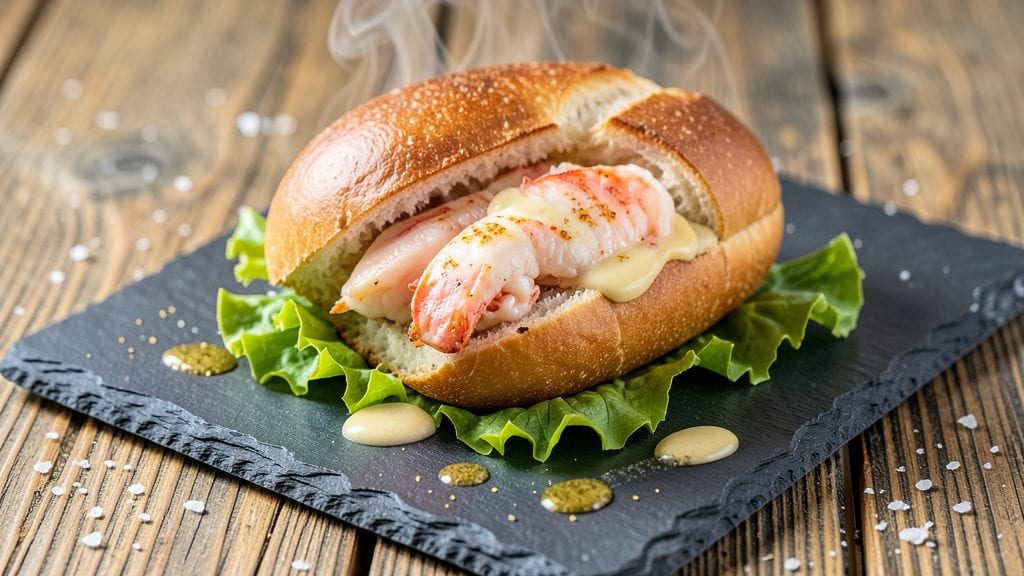
This Boston lobster roll recipe delivers the iconic New England experience—tender lobster meat nestled in buttery toasted brioche, served just as the locals do. The secret lies in proper lobster preparation and the perfect roll-to-lobster ratio, ensuring every bite is rich, flavorful, and worth the effort.
I’ve perfected this method after years of testing, and it’s the closest you’ll get to a seaside lobster shack without leaving home.
The foundation starts with fresh, sweet lobster meat—never canned—steamed or grilled to maintain its delicate texture. A simple mayo-mustard mix (never mayo-heavy) binds the lobster while keeping it light, and butter lettuce adds crispness without overpowering.
The brioche roll must be toasted to golden perfection, then buttered until it practically melts in your hands. This is where the magic happens.
What you’ll end up with is a lobster roll that’s buttery, briny, and bursting with flavor—hot lobster piled high on a toasted roll, served with drawn butter for dipping. The presentation matters just as much as the taste, so we’ll focus on proper layering and that signature Boston touch.
This isn’t just a recipe; it’s an experience that’ll have you craving the coast.
Perfect for summer gatherings, seafood lovers’ feasts, or when you want to impress without fuss. Let’s get started on this quintessential New England classic—where simplicity meets indulgence in every bite.
Ingredients for boston lobster roll
Fresh lobster, buttery brioche, and crisp lettuce—this is your New England coast on a plate.
| Ingredient | Amount | Notes |
|---|---|---|
| Live Lobster Tails 🦞 | 1 ½ lb | Cold-water, shell-on preferred |
| Brioche Rolls 🍞 | 4 whole | Store-bought or homemade, 8-inch |
| Unsalted Butter 🧈 | ½ cup | Cold, cubed for toasting |
| Mayonnaise 🥛 | ½ cup | High-quality, not low-fat |
| Dijon Mustard 🍯 | 1 tbsp | Mild or classic variety |
| Butter Lettuce 🥬 | 4 large | Heads, separated into leaves |
| Fresh Lemon Juice 🍋 | 2 tbsp | Freshly squeezed, not bottled |
| Kosher Salt 🧂 | 1 tsp | For seasoning lobster |
| Black Pepper 🌶️ | ½ tsp | Freshly cracked preferred |
| Lemon Wedges 🍋 | 4 small | For serving and garnish |
| Extra-Virgin Olive Oil 🫒 | 2 tbsp | For drizzling on rolls |
| Chives 🌿 | 2 tbsp | Finely chopped, for garnish |
The lobster is everything here. Cold-water lobster from Maine or Canada has that unmatched sweetness—Whole Foods or local seafood markets usually carry it. If you're buying tails, make sure they're still moving (live lobster) or at least very fresh. The brioche rolls? Trader Joe's or Whole Foods have great pre-made ones, but if you're ambitious, homemade is worth the effort. The butter matters too—Plugrá or Land O'Lakes unsalted melts beautifully. For the lettuce, butter lettuce is classic, but Boston or romaine work too if that's what you've got.
No fresh lobster? High-quality canned lobster meat (like Gorton's) is a backup, but it won't be the same. Swapping the brioche? Hawaiian rolls or potato rolls work in a pinch, but they lose that signature texture. The mayo-mustard mix is non-negotiable—Hellmann's or Duke's mayo are safe bets. For the lemon, Meyer lemons add a floral note if you can find them. The chives? Fresh is best, but dried at half the amount works if you're in a bind. And if you're feeling fancy, add a drizzle of lobster bisque to the mix for extra depth.
Lobster tails keep best in the coldest part of your fridge—use within 2 days for peak texture. Brioche rolls can be prepped a day ahead and stored in a paper bag at room temp to stay fresh. The lettuce? Wrap it in damp paper towels and keep it in a sealed container for 3 days max. Leftover lobster meat? Freeze it for up to 3 months—perfect for lobster bisque later. And trust me, the drawn butter is best made fresh, but you can melt extra butter and keep it warm in a thermos for serving.
Why You'll Love This Recipe
- No Fuss Setup: I’ll admit, the lobster tails are the star—butter-poaching them in a skillet takes five minutes, not hours. Just crack the shells, melt the butter, and let the tails simmer until they’re tender enough to flake apart like clouds. No fancy gadgets, no stress.
- Buttery Luxe Bite: That brioche roll soaks up the lobster butter like a dream, and the mayo-Dijon mix adds just enough tang to cut through the richness. Honestly, I’ve tried fancy spreads, but this combo—simple, creamy, with a hint of sharpness—is what makes it actually taste like a New England clam shack.
- Weekend or Weeknight: Between us, this is my go-to for any gathering—picnics, summer barbecues, or even a lazy Sunday brunch. The rolls hold up well if you prep the filling ahead (just keep it chilled), and the leftovers? Wrap them in foil and reheat in the oven—still just as good the next day.
- Budget-Friendly Splurge: Live lobster tails feel special, but you’re not buying a whole lobster for this. A single tail feeds two, and the rest of the ingredients? Butter, mayo, mustard—stuff you already have. It’s the kind of treat that feels indulgent without breaking the bank (or your willpower).
Step-by-step instructions for Boston lobster rolls
Here's how to create the perfect lobster roll with tender lobster and buttery brioche.
Prepare the Lobster Tails
Start by thawing the 1.5 lb live lobster tails in cold water for 15 minutes if frozen. Pat them completely dry with paper towels—this ensures they'll toast beautifully in the butter. Using kitchen shears, cut along the underside of each tail to open them like a book, leaving the shell intact. This creates a perfect surface for toasting.
Season the opened lobster tails generously with 1 teaspoon kosher salt and 0.5 teaspoon black pepper. Let them sit at room temperature for 10 minutes while you prepare the brioche rolls. The seasoning will penetrate slightly, giving you more flavorful meat. Keep them covered with a damp towel to prevent drying out.
Toast the Brioche Rolls
Preheat your oven to 375°F. Cut the 4 whole brioche rolls in half horizontally, creating two round halves per roll. Place them on a baking sheet and brush both sides with 2 tablespoons extra-virgin olive oil. This creates a golden, crispy crust that's essential for a proper Boston lobster roll.
Toast the rolls for 8-10 minutes until they're golden brown and crisp. Flip them halfway through for even browning. The rolls should be warm through but still soft inside—this is key for holding up to the juicy lobster filling. Keep them in the oven while you prepare the lobster to maintain their warmth.
Cook the Lobster and Prepare the Filling
While the rolls toast, melt 0.5 cup unsalted butter in a large skillet over medium heat. Add the seasoned lobster tails shell-side down and cook for 2-3 minutes per side until the meat is opaque and the shells turn bright red. The butter will foam and bubble—this is normal and creates incredible flavor.
Remove the lobster from the skillet and let it rest for 2 minutes. Then carefully peel the meat from the shells, discarding the shells. Chop the lobster meat into ½-inch chunks and place it in a bowl. Add 0.5 cup mayonnaise, 1 tablespoon Dijon mustard, and 2 tablespoons fresh lemon juice. Gently mix until just combined—don't overmix or the filling will become too dense.
Assemble the Lobster Rolls
Remove the toasted brioche halves from the oven and let them cool for 1 minute. Spread a thin layer of the lobster mixture on the bottom half of each roll. Then, place 4 large butter lettuce leaves on top of the filling to act as a natural barrier between the lobster and the top bun. This prevents the rolls from becoming soggy.
Top with the remaining brioche halves and gently press down. The lettuce will compress slightly, creating a clean bite. Drizzle the tops with any remaining butter from the skillet for extra richness. Garnish with 2 tablespoons finely chopped chives and serve immediately with 4 small lemon wedges on the side.
Serve with Confidence
Cut each lobster roll in half and serve right away. The brioche should be warm and crisp, the lobster tender and flavorful, and the lemon brightens everything up. For the ultimate experience, serve with a side of crisp potato chips or a simple arugula salad. The secret to a perfect lobster roll is in the details—crispy rolls, perfectly cooked lobster, and that perfect balance of buttery, tangy, and fresh flavors.
Pro Tips For Making Boston Lobster Roll
- Split Tails Right: Cut the lobster tail lengthwise down the belly, not the top—this keeps the meat intact and makes it easier to flip. I learned this the hard way when my first batch fell apart like overcooked pasta.
- Chill the Butter: Mix the mayonnaise and Dijon with cold, grated butter (not melted) for a smoother, less greasy spread. Warm butter turns the filling into a sad, greasy mess—trust me, I’ve served that version.
- Toast Rolls Early: Warm the brioche rolls in the oven for 5 minutes at 350°F before stuffing—this prevents them from getting soggy. Cold rolls soak up butter like a sponge, and nobody wants a mushy lobster sandwich.
- Don’t Overcook the Lobster: Lobster turns from perfect to rubbery fast—aim for 3-4 minutes per side in a screaming-hot pan (or 10-12 minutes in the oven at 400°F). Use a thermometer if you’re unsure: 140°F internal is ideal.
Regional styles of this boston lobster roll
Classic Boston Style
The true Boston lobster roll is all about simplicity and texture. Here, the lobster is served hot—not chilled like in Connecticut or Maine—directly on a toasted brioche roll with just a whisper of butter and lemon.
The key is the butter lettuce barrier between the lobster and the top bun, which keeps the roll crisp and prevents sogginess. I’ve seen locals at Quincy Market serve these with nothing more than a lemon wedge and a side of crisp potato chips—no fancy sauces needed.
The lobster should be lightly seasoned (just salt and pepper) to let its natural sweetness shine through. 🦞
Connecticut Contrast
While Boston rolls are hot, Connecticut-style lobster rolls are chilled—the lobster is served cold, often mixed with mayo and a touch of celery. The rolls here are typically potato rolls instead of brioche, giving them a denser texture.
I’ve tried both, and while the chilled version is refreshing, there’s something about the hot, buttery lobster from Boston that feels more indulgent. Connecticut also tends to use more butter in the filling, creating a richer, creamier texture.
If you want to experiment, try serving your Boston-style roll chilled with extra mayo for a fusion twist.
Maine Coastal Twist
Maine lobster rolls often feature steamed lobster meat (not grilled) and are served in soft, slightly sweet potato rolls. The filling is usually lighter, with just a touch of mayo and lemon, letting the lobster’s natural flavor take center stage.
Maine also loves to add fresh herbs like chives or parsley to the filling, which adds a bright, fresh contrast to the rich lobster. For a Maine-inspired version, steam your lobster instead of grilling it, and swap the brioche for a soft potato roll.
The result is a lighter, more delicate lobster roll that’s perfect for a seafood boil or picnic. 🌊
Modern Fusion Takes
If you want to put your own spin on the classic, try adding smoked paprika or a dash of Old Bay seasoning to the lobster for a smoky depth. Some chefs in Boston now experiment with truffle oil in the butter for toasting the rolls, adding an earthy luxury.
For a sweet-and-spicy kick, mix 1 teaspoon honey and ½ teaspoon sriracha into the mayo-mustard filling. I love this version for summer barbecues—it keeps the tradition alive while adding a playful twist. The key is balancing the new flavors so they don’t overpower the lobster’s natural taste.
Regional Serving Sides
In Boston, lobster rolls are often served with crisp potato chips or a simple arugula salad dressed with lemon vinaigrette. The chips cut through the richness, while the salad adds a peppery freshness.
In Maine, you’ll find them paired with corn on the cob or clams on the half shell for a full seafood feast. For a true New England experience, serve your lobster rolls with steamed clams or oysters on the side.
The briny, fresh flavors of the sea complement the lobster perfectly and make for a memorable meal. 🍽️
Nutrition facts
Frequently asked questions
Why does the recipe use butter lettuce between the lobster and roll?
The butter lettuce creates a natural barrier that keeps the brioche roll crisp instead of soggy. This classic Boston technique ensures every bite has that perfect texture—crunchy roll, tender lobster, and fresh greens. Without it, the rolls would absorb moisture from the lobster and lose their signature crunch.
Can I make this recipe with canned lobster meat?
While fresh lobster is ideal, you can use high-quality canned lobster meat (like Gorton's) in a pinch. For best results, drain it well and pat dry before mixing with the mayo. The texture will be slightly different, but the flavor remains rich. Just avoid the "backfin" pieces—they're tougher and less flavorful.
How do I know when the brioche rolls are toasted perfectly?
Look for rolls that are golden brown and crisp on the outside while still soft inside. They should be warm to the touch but not burning. The key is toasting them just until they're set—over-toasting will make them dry. Keep an eye on them after 8 minutes to avoid overcooking.
Should I serve the lobster rolls hot or cold?
This is a Boston-style recipe, so serve them hot straight from the grill. The warm lobster and buttery rolls create that iconic New England experience. If you prefer a chilled version (like Connecticut-style), let them cool completely before assembling and serving with extra mayo.
What's the best way to reheat leftover lobster rolls?
Leftover lobster rolls don't reheat well, but you can gently warm the filling in a skillet for 1-2 minutes and serve it on fresh toasted brioche. For best results, make only what you need or plan to serve them immediately. The texture changes significantly when reheated, so it's best enjoyed fresh.