
Main Courses
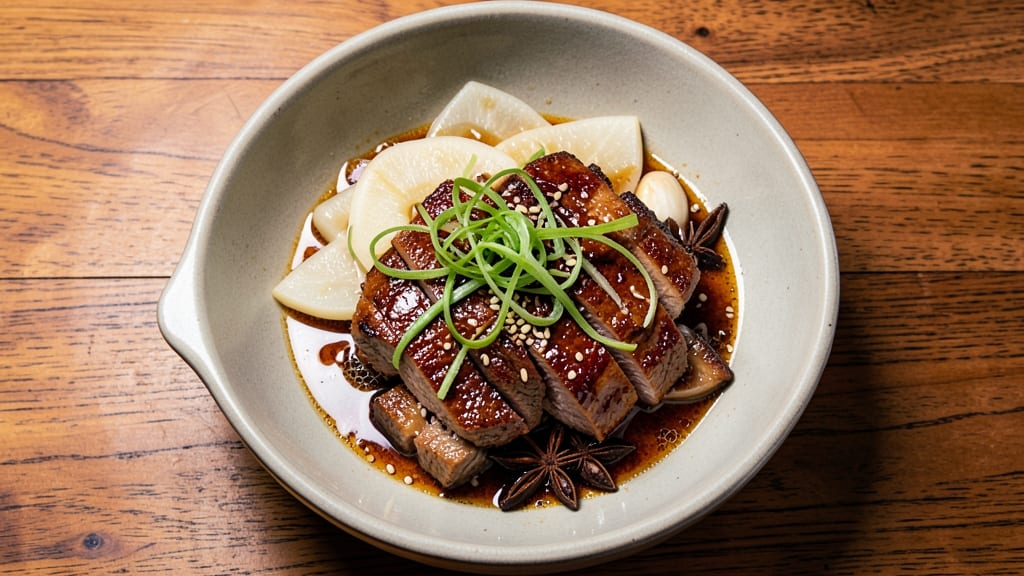
This Chinese braised beef brisket with daikon delivers deep, savory flavors that transform tough cuts into melt-in-your-mouth perfection through slow cooking.
The secret lies in a carefully balanced braising liquid of soy sauce, star anise, and ginger that infuses the beef with layers of umami while keeping the daikon tender and slightly sweet.
I developed this recipe after years of perfecting the art of Chinese braising—where patience and precise seasoning create restaurant-quality results at home.
The process begins with marinating the beef brisket in a soy-based mixture overnight, ensuring every bite absorbs rich, caramelized flavors. Daikon radish adds natural sweetness and texture, while aromatics like garlic and scallions deepen the dish's complexity.
This method requires about 3 hours of slow braising, but the hands-off approach makes it ideal for weeknight dinners or meal prep.
By the end, you'll have fork-tender beef brisket with a glossy, caramelized surface and daikon that's perfectly soft yet retains its subtle crunch. The aroma alone will draw everyone to the table, while the balance of salty, sweet, and umami flavors makes this dish unforgettable.
Serve it over steamed rice or with stir-fried greens for a complete meal.
This recipe preserves traditional techniques while adapting them for modern kitchens—no pressure cooker or specialized equipment needed. The key is patience and attention to seasoning, which transforms simple ingredients into a dish worthy of any celebration. Let's get started on creating this umami-rich masterpiece.
Ingredients for chinese braised beef brisket daikon
Transform tough beef brisket into melt-in-your-mouth perfection with these carefully selected ingredients.
| Ingredient | Amount | Notes |
|---|---|---|
| Beef Brisket 🥩 | 2 lb | Flat cut, 1-inch thick slices |
| Daikon Radish 🥕 | 1 whole | Medium-sized, peeled and sliced |
| Light Soy Sauce 🍶 | ½ cup | Kikkoman preferred for balance |
| Dark Soy Sauce 🍶 | 1 tbsp | For color depth and richness |
| Shaoxing Wine 🍷 | ¼ cup | Dry Chinese cooking wine |
| Fresh Ginger 🌿 | 2 tbsp | Grated, aromatic quality |
| Garlic Cloves 🧄 | 6 cloves | Minced, fresh preferred |
| Star Anise 🌟 | 2 whole | Whole pods, crushed lightly |
| Cinnamon Stick 🌿 | 1 whole | 2-inch length, aromatic |
| Sugar 🍚 | 2 tbsp | White granulated, balances flavors |
| Green Onions 🧅 | 4 whole | White and green parts separated |
| Cornstarch 🌾 | 1 tbsp | For thickening braising liquid |
| Sesame Oil 🫒 | 1 tsp | Toasted, for finishing |
| Vegetable Oil 🫒 | 1 tbsp | High smoke point for searing |
| Water 💧 | 1 ½ cups | Filtered preferred for clarity |
The beef brisket is the centerpiece, and flat-cut with visible marbling delivers optimal tenderness. Purchase from a trusted butcher or Whole Foods meat department—look for cuts labeled 'flat cut' rather than 'point cut'. Daikon radish should be firm with crisp edges; Asian markets often carry the freshest varieties. For Shaoxing wine, Ming Garden or Yellow River brands are ideal, but any dry Chinese cooking wine works. Star anise and cinnamon should be whole, not ground, to control their aromatic release during braising. Fresh ginger and garlic are non-negotiable—their volatile oils are essential for authentic flavor development.
No Shaoxing wine? Dry sherry at half the amount provides similar depth, though the flavor profile will differ slightly. Substitute dark soy sauce with an additional 1 tbsp of molasses for color, though it won't replicate the deep umami. For daikon, white radish or turnip can stand in, though texture will vary. Cornstarch can be swapped for arrowroot powder at the same ratio. When measuring spices, use a scale for precision—ground spices lose potency quickly. The green onions should be separated into white and green parts; the whites add flavor to the braising liquid while the greens provide freshness at the end.
Store raw beef and daikon separately in airtight containers for up to 3 days in the refrigerator. The braised mixture reheats beautifully—simmer on low heat for 15-20 minutes, stirring occasionally, until heated through. For meal prep, portion into glass containers with a thin layer of sesame oil on top to preserve freshness. Leftovers keep for 5 days refrigerated or 3 months frozen. When reheating from frozen, add an extra 1/4 cup water to prevent drying.
Why You'll Love This Recipe
- One-Pot Magic: I swear by this recipe—just sear the brisket, toss in the daikon and soy sauces, then let it simmer. No flipping pans, no fussing with multiple dishes. The wine and dark soy sauce do all the deep-flavor work while I’m scrolling through my phone (or pretending to).
- Umami Bomb: That combo of light and dark soy sauce? Chef’s kiss. The dark soy gives it this glossy, caramelized richness, while the light keeps it bright and savory. Add the Shaoxing wine, and suddenly you’ve got a dish that tastes like it’s been simmering for hours—even if it’s just 45 minutes.
- Leftover Legend: Between us, this is my go-to for meal prep. The beef gets tender enough to shred with a fork, and the daikon stays crisp enough to eat straight from the pot. Pack it for lunches, serve it cold in rice bowls, or reheat it—it’s always a win. (Yes, even on a Tuesday night.)
- Budget Hero: Brisket is cheaper than steak, and daikon lasts forever in the fridge. A bottle of Shaoxing wine stretches across multiple batches, and the soy sauces? You’ll use them for everything else anyway. This isn’t just a recipe—it’s a way to feed a crowd without breaking the bank.
Step-by-step instructions for Chinese braised beef brisket daikon
This method delivers melt-in-your-mouth brisket with tender daikon in a rich, aromatic sauce.
Prepare the Brisket and Aromatics
Begin by slicing the 2 lb beef brisket into 1-inch thick pieces against the grain for maximum tenderness. Pat each slice dry with paper towels to ensure a proper sear later. In a small bowl, combine the 6 cloves garlic cloves (minced), 2 tbsp fresh ginger (grated), 2 whole star anise (lightly crushed), and 1 whole cinnamon stick (2-inch length). Set aside—these aromatics will infuse the braising liquid with deep, complex flavors.
Peel and slice the 1 whole daikon radish into ½-inch thick rounds. The daikon should be firm but not fibrous—this variety holds its texture beautifully during braising. Keep these components separate until ready to use, as proper preparation prevents soggy vegetables and ensures even cooking.
Sear the Brisket and Build the Braising Base
Heat the 1 tbsp vegetable oil in a heavy Dutch oven over medium-high heat until shimmering. Working in batches if needed, sear the brisket slices for 2-3 minutes per side until deeply browned with a crust forming. Remove the seared brisket and set aside—this step develops the fundamental Maillard reaction flavors that form the sauce's foundation.
In the same Dutch oven, reduce heat to medium and add the prepared aromatics. Sauté for 1 minute until fragrant, then pour in the 0.25 cup shaoxing wine, scraping up any browned bits from the bottom. Let it simmer for 2 minutes to cook off the alcohol. This deglazing step captures all the concentrated flavors from the searing process.
Braise with Soy Sauce and Spices
Return the seared brisket to the Dutch oven. Add the 0.5 cup light soy sauce, 1 tbsp dark soy sauce, 2 tbsp sugar, and 1.5 cups water. Bring to a gentle simmer, then reduce heat to low. Cover and let it cook for 1 hour, allowing the brisket to absorb the initial flavors and begin breaking down.
After the initial hour, add the sliced daikon radish and the white parts of the 4 whole green onions (sliced). The daikon should be submerged in the liquid to prevent toughening. The braising liquid should be just covering the ingredients—if it's too thin, reduce heat slightly to prevent boiling. This slow cook ensures the brisket becomes fork-tender while maintaining moisture.
Thicken the Sauce and Finish
In a small bowl, whisk together the 1 tbsp cornstarch with 2 tablespoons of the braising liquid to create a slurry. After the brisket has cooked for a total of 2 hours (or until fork-tender), remove the lid and stir in the cornstarch slurry. Simmer uncovered for 5-7 minutes until the sauce thickens to a glossy consistency that lightly coats the back of a spoon.
Stir in the 1 tsp sesame oil and the green parts of the green onions (chopped). Taste and adjust seasoning with additional light soy sauce if needed. The sauce should balance sweet, salty, and umami flavors with a subtle aromatic depth from the spices. Let the dish rest for 10 minutes before serving to allow flavors to meld completely.
Pro Tips For Making Chinese Braised Beef Brisket Daikon
- Blister First, Braise Later: After burning three batches, I finally figured out that searing the brisket until it’s dark brown and crispy in spots—even if it looks overdone—is non-negotiable. This isn’t just for looks; it builds flavor that dissolves into the sauce later. Use high heat, about 5 minutes per side, until the edges blacken slightly. (Yes, it’ll smell like your kitchen is on fire—good.)
- Cut Daikon in Wedges: Thinly slicing daikon into ½-inch wedges (peel first) ensures even cooking and a perfect texture—tender but still holding shape. Thick chunks stay stubbornly crunchy; paper-thin slices turn mushy. If you’re lazy, use a mandoline, but a sharp knife works too. (Pro tip: Soak the wedges in cold water for 10 minutes first—it removes bitterness.)
- Reduce Sauce Aggressively: After adding soy sauces and Shaoxing wine, simmer the braising liquid until it’s syrupy enough to coat the back of a spoon. I used to rush this, and the dish tasted flat. Aim for about 15 minutes of reduction—low and slow, with the lid slightly ajar to let excess moisture escape. (Your future self will notice the difference.)
- Skip the Crowding: Don’t stack the daikon or brisket in the pot—it steams instead of braises. Arrange wedges in a single layer, then nestle the beef on top. If the pot’s too small, cook in batches. (I know, it’s annoying, but crowded braises turn out soggy. Trust the process.)
Serving suggestions for chinese braised beef brisket daikon
Rice Pairing Perfection
Steamed jasmine rice is the classic pairing for this dish—its delicate floral aroma complements the deep umami of the braised beef without overpowering it. I use 3 cups of cooked rice per serving, spread evenly across shallow bowls to create a perfect bed for the beef and daikon.
For extra richness, drizzle with 1 tsp toasted sesame oil before serving. 🍚
For a heartier option, try short-grain brown rice—its nutty texture holds up well to the sauce and adds a satisfying chew. Cook it in a 1:1.5 rice-to-water ratio and let it rest covered for 10 minutes after cooking to achieve ideal consistency.
Vegetable Accompaniments
Quick-pickled baby bok choy or shredded cabbage adds a refreshing crunch and brightens the dish's richness. Toss 2 cups of thinly sliced greens with 2 tbsp rice vinegar, 1 tsp sugar, and a pinch of red pepper flakes for a tangy contrast.
Serve on the side or mix directly into the braised beef for a vibrant twist. 🥬
For a traditional touch, stir-fry garlic chives and Chinese broccoli in 1 tbsp oil until wilted but still crisp. The mild garlic flavor enhances the beef's depth while adding freshness. I like to sprinkle these over the dish just before serving to maintain their bright color and texture.
Sauce Enhancements
Finish the dish with a drizzle of chili oil (about 1 tsp) for a smoky, spicy kick that cuts through the richness. I recommend Lao Gan Ma brand for its balanced heat and aromatic sesame flavor.
Alternatively, a sprinkle of toasted cumin seeds adds an unexpected earthy note that pairs beautifully with the star anise in the braising liquid. 🌶️
For a smoother finish, top with crispy fried shallots—their golden crunch contrasts perfectly with the tender beef. Store-bought shallots work fine, but for extra flavor, fry 4 tbsp of sliced shallots in 2 tbsp oil until golden brown and drain on paper towels.
Presentation Tips
Serve this dish family-style in a large ceramic bowl for a communal dining experience, allowing everyone to scoop their portion. Garnish with chopped green onions and a final drizzle of sesame oil just before serving to elevate the presentation.
The contrast of colors—deep brown beef, white daikon, and green garnishes—makes the dish visually appealing. 🍽️
For individual portions, arrange the beef and daikon in the center of each bowl with rice surrounding it. Use a small spoon to drizzle the braising sauce artistically over the top, creating an inviting visual that enhances the dining experience.
A sprinkle of poppy seeds adds a subtle decorative touch without altering the flavor.
Nutrition facts
Frequently asked questions
Why does the recipe call for both light and dark soy sauce?
Light soy sauce provides the primary salty flavor and depth, while dark soy sauce adds rich color and a slightly sweeter, caramelized note. The combination creates a balanced sauce with both visual appeal and complex taste—dark soy sauce alone would be too salty, and light alone would lack depth. Use 0.5 cup light and just 1 tbsp dark for perfect harmony.
Can I substitute daikon with another vegetable?
Yes! For a similar texture, try white radish or turnip, though daikon's mild sweetness is unique. If using carrots, slice them thinner (¼-inch) as they're denser. Avoid potatoes—they'll absorb too much liquid and become mushy. For extra flavor, add ½-inch ginger slices to the braising liquid when substituting.
What's the best way to check if the brisket is tender?
Use two methods: fork test (a fork should slide in easily) and visual check (the meat should pull apart cleanly). If the fork meets resistance, return it to the pot for 30-45 minutes more. Overcooking can make the beef dry, so aim for 2-2.5 hours total braising time for perfect tenderness.
How can I make this dish ahead of time?
This recipe reheats beautifully! Store the braised beef and daikon in an airtight container with the sauce for up to 5 days refrigerated. Reheat on the stove over low heat with 1-2 tbsp water to prevent drying. For freezing, portion into glass containers and freeze for up to 3 months—thaw overnight in the fridge before reheating.
What if I don't have Shaoxing wine?
Use dry sherry (½ the amount) or white wine as a substitute, though Shaoxing wine's unique depth is ideal. For a non-alcoholic option, replace with apple juice or white grape juice (same quantity). The dish will still be flavorful, but the sauce may lack some complexity. Adjust seasoning with an extra ½ tsp salt if needed.