
Side Dishes
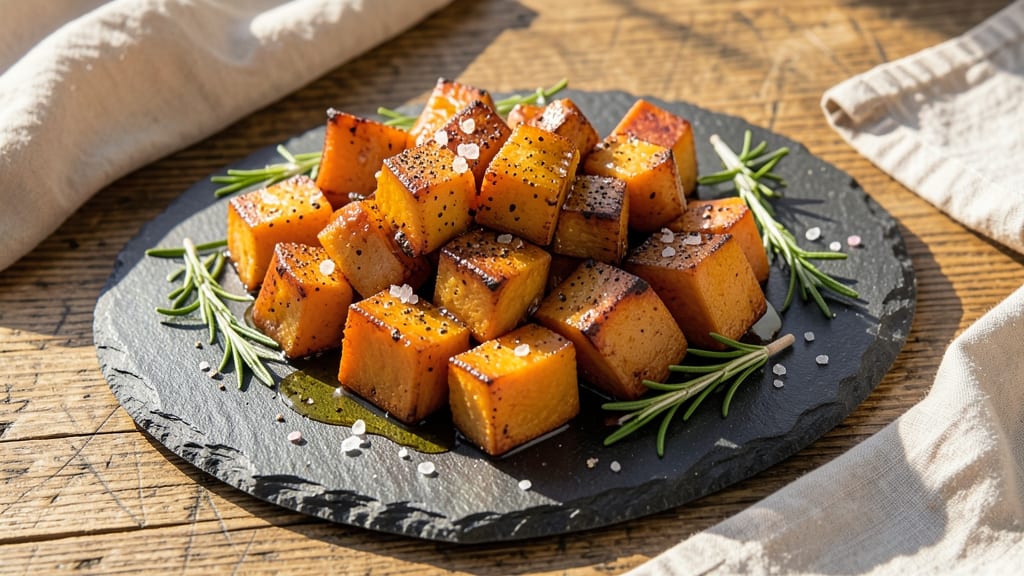
This cooked squash recipe turns roasted, caramelized, and tender squash into a restaurant-quality side dish that steals every meal. The key lies in high heat and precise timing—cutting the squash into even pieces ensures they cook uniformly, developing a deep golden crust while staying moist inside.
This method works for any winter squash variety, from butternut to acorn, delivering flavor that rivals prepared dishes.
What sets this recipe apart is the balance of sweetness and savory depth achieved through simple seasoning. A mix of olive oil, salt, and pepper creates the perfect foundation, while optional additions like smoked paprika or fresh herbs elevate it further.
The caramelization process unlocks natural sugars, creating a rich, almost buttery texture that pairs beautifully with proteins or stands alone as a satisfying vegetarian meal.
By the time your squash emerges from the oven, you'll have perfectly tender, caramelized pieces with crisp edges and a velvety interior. The aroma alone will have everyone anticipating dinner, while the visual appeal makes it a showstopper on any table.
This technique is foolproof for both beginners and experienced cooks, ensuring consistent results every time.
Serve these roasted squash slices alongside grilled meats, in grain bowls, or as a standalone dish with crusty bread. The versatility makes it perfect for weeknight dinners or holiday feasts—simply adjust the seasoning to match your menu.
Let's get cooking with this elevated approach to squash that turns a simple vegetable into a centerpiece dish.
Ingredients for cooked squash
High-quality winter squash, aromatic herbs, and precise seasoning transform simple roasting into a restaurant-worthy side dish.
| Ingredient | Amount | Notes |
|---|---|---|
| Winter Squash (Butternut or Acorn) 🎃 | 2 lb | Cut into 1-inch cubes, uniform size |
| Extra-Virgin Olive Oil 🫒 | ¼ cup | High-quality, fruity variety preferred |
| Diamond Crystal Kosher Salt 🧂 | 1 ½ tsp | Fine grain for even distribution |
| Freshly Ground Black Pepper 🌶️ | ½ tsp | Coarsely cracked for texture |
| Smoked Paprika 🌶️ | ½ tsp | Optional, for smoky depth |
| Fresh Rosemary 🌿 | ¼ cup | Chopped, stems removed |
| Fresh Thyme Leaves 🌿 | ¼ cup | Or 1 tsp dried thyme |
| Garlic Cloves 🧄 | 4 cloves | Minced, for aromatic depth |
| Balsamic Vinegar 🍷 | 1 tbsp | For finishing touch |
| Toasted Pecans 🥜 | ¼ cup | Optional, for crunch |
| Fresh Sage Leaves 🌿 | 0.1 cup | Optional, for herbal aroma |
The winter squash selection is critical for optimal results—butternut or acorn deliver the best balance of sweetness and texture. Look for squash with a firm, heavy feel and vibrant color at specialty markets like Whole Foods or Trader Joe's, where they often carry organic varieties. Avoid squash with soft spots or dull skin, as these indicate past peak freshness. For even cooking, cut the squash into uniform 1-inch cubes—this ensures consistent caramelization. If using a pre-cut squash mix, opt for organic brands like Trader Joe's or Local Harvest varieties, which tend to have better texture. Store squash in a cool, dark place until ready to use—it keeps for several weeks when whole, but pre-cut pieces should be roasted within 3 days for best results.
The extra-virgin olive oil should be of high quality—California-grown oils like Corto or Colavita work exceptionally well. If you prefer a nutty finish, consider Spanish or Italian oils such as Picual or Frantoio. For those avoiding herbs, smoked paprika adds depth, while toasted pecans contribute a satisfying crunch. Substitutions are flexible: dried thyme at one-third the amount works if fresh isn't available, and walnuts can replace pecans. The balsamic vinegar should be aged 25 years or more for a richer flavor—Otto Zucchi or Di Martino are excellent choices. If you're short on time, pre-minced garlic from a jar works, though freshly minced garlic enhances the dish significantly. For a vegan option, omit the balsamic or use a vegan balsamic glaze.
Roasted squash retains its best texture and flavor when stored properly. Cool completely before transferring to an airtight container—it keeps for 4-5 days in the refrigerator. For longer storage, freeze the squash in a single layer on a tray before transferring to a bag, where it remains usable for up to 3 months. Reheat gently in a 350°F oven for 10-15 minutes or until warmed through. The pecans and herbs should be added fresh before serving to preserve their texture and aroma. This dish reheats beautifully, making it ideal for meal prep—simply portion into containers and store with a spritz of olive oil to maintain moisture. For a holiday presentation, garnish with extra herbs and a drizzle of balsamic reduction just before serving.
Why You'll Love This Recipe
- One-Pan Magic: I swear by this—just slice, roast, and forget. No chopping boards to scrub, no extra pots to wash. The squash caramelizes right on the sheet pan while I’m chopping veggies for dinner, and the smoky paprika lingers like a hug.
- Smoky Sweet Crunch: That crispy edge on the outside? Chef’s kiss. The olive oil and smoked paprika turn the squash into something almost charred, while the inside stays tender—like a perfect balance of campfire and comfort. Honestly, I’ll take this over store-bought chips any day.
- Meal Prep MVP: Between us, this is my go-to for lunches all week. Roast a big batch on Sunday, store it in the fridge, and reheat slices in a pan or microwave—it’s just as good the third day. Even my picky-eating partner asks for seconds.
- Budget-Friendly Staple: Winter squash lasts forever, and a single butternut feeds my family for days. A drizzle of olive oil, a pinch of salt, and that smoked paprika? It’s the kind of dish that makes grocery day feel like a win. Plus, it’s cheaper than takeout.
Step-by-step instructions for roasted until caramelized and tender winter squash
Transforming winter squash into tender, caramelized perfection requires patience and precise technique. Here's how to achieve restaurant-quality results at home.
Preheat and Prepare the Squash
Preheat your oven to 425°F with the rack positioned in the middle position. This high temperature ensures rapid browning while maintaining tender interiors. While the oven heats, peel and deseed the winter squash using a sharp chef's knife. Cut it into 1-inch cubes of uniform size—this ensures even cooking throughout.
Place the cubed squash in a large mixing bowl and toss with 0.25 cup extra-virgin olive oil until each piece is lightly coated. The oil not only prevents sticking but also enhances the natural sweetness of the squash as it caramelizes. I recommend using a high-quality, fruity olive oil here—the subtle flavor nuances will elevate the final dish.
Season and Arrange for Roasting
In the same bowl, combine the 1.5 teaspoons diamond crystal kosher salt, 0.5 teaspoon freshly ground black pepper, 0.5 teaspoon smoked paprika, 0.25 cup chopped fresh rosemary, and 0.25 cup fresh thyme leaves. Toss the seasoned squash until every cube is evenly coated with the aromatic herbs and spices.
Transfer the seasoned squash to a large rimmed baking sheet lined with parchment paper, leaving about 1 inch between each piece. This spacing allows for proper air circulation, which is crucial for achieving that perfect caramelized crust. Arrange the pieces in a single layer, working in batches if your baking sheet isn't large enough to accommodate all cubes at once.
Roast Until Tender with Caramelized Edges
Place the baking sheet in the preheated oven and roast for 30 minutes, stirring halfway through the cooking time. This initial roast helps develop the foundational flavors and begins the caramelization process. After 30 minutes, reduce the oven temperature to 375°F—this lower temperature allows the squash to continue cooking gently without burning.
Continue roasting for an additional 25-30 minutes, or until the squash is fork-tender with deep golden brown edges. You'll know it's done when the knife slides in easily and the interior offers just slight resistance. The squash should smell intensely sweet and caramelized, with visible browning on all sides. If the edges aren't brown enough, return the sheet to the oven for another 5-10 minutes.
Finish with Aromatics and Garnish
While the squash is still hot, transfer it to a serving dish. In a small skillet over medium heat, quickly sauté the 4 minced garlic cloves for 30 seconds until fragrant but not browned. Immediately pour the 1 tablespoon balsamic vinegar over the roasted squash, allowing it to glaze the pieces with its tangy sweetness.
Garnish each serving with 0.25 cup toasted pecans and 0.1 cup fresh sage leaves, torn by hand. The pecans add a delightful crunch that contrasts beautifully with the tender squash, while the sage enhances the herbal notes. Serve immediately while the squash is still warm, allowing the caramelized edges to remain crisp and the interiors to stay deliciously tender.
Pro Tips For Making Cooked Squash
- CUT THE SQUASH RIGHT: Skip the peeling—just halve the squash lengthwise, scoop out the seeds, and roast it cut-side down. The skin stays intact, holding moisture, and you avoid the mess of peeling (and potential knife slips). I used to peel everything, then realized the skin’s the secret to keeping it tender.
- SALT THE FLESH FIRST: Toss cut squash with 1 teaspoon of kosher salt and let it sit for 10 minutes before roasting. This draws out moisture, so it crisps up better and absorbs the olive oil like a dream. I learned this the hard way—salting after roasting leaves you with soggy edges.
- ROAST AT 400°F, NOT HIGHER: Winter squash caramelizes beautifully at 400°F, but cranking it to 425°F just burns the edges before the center cooks. Rotate the pan halfway through (yes, even if it looks uneven) to guarantee even browning. I was skeptical until I tried it—now I never go higher.
- UPGRADE WITH SMOKED PAPRIKA LAST: Sprinkle smoked paprika over the squash after roasting while it’s still hot—this locks in the flavor instead of burning it off. A pinch (½ teaspoon) is enough; too much tastes bitter. (Your future self will thank you for this tiny detail.)
Make-ahead tips for leftovers
Prep Ahead Strategy
Cut your squash into 1-inch cubes and store them in an airtight container with a light drizzle of olive oil (about 1 tablespoon) to prevent browning. Keep them refrigerated for up to 3 days—this head start saves you 20 minutes of prep time on busy weeknights.
I like to store them in glass Pyrex containers with a splash of water in the bottom to maintain moisture. 📅
Oven Prep Shortcut
Preheat your oven while you prep the squash—this multi-tasking saves 10-15 minutes. If using a convection oven, reduce the temperature by 25°F (to 400°F) and cut roasting time by 10% for faster, even cooking.
I always line my baking sheets with parchment paper to avoid cleanup later. For extra efficiency, use two baking sheets simultaneously if your oven has space.
Freezer-Friendly Method
Roast the squash completely, then cool it completely before storing in a freezer-safe bag with 1 inch of headspace. Label with the date—it keeps for 3 months. To reheat, transfer frozen squash directly to a 375°F oven for 20-25 minutes until warmed through.
The texture remains tender, though edges may lose some crispness. This method is perfect for holiday meal prep or busy dinner nights. ❄️
Herb Prep Tips
Chop all herbs at once and store them in a small container with 1 teaspoon olive oil to preserve freshness. These herb mixtures keep in the fridge for 5 days or can be frozen for 1 month.
For the rosemary and thyme, I prefer to chop them just before roasting to maximize their aromatic impact. If using frozen herbs, thaw them first and pat dry with a paper towel to remove excess moisture.
Batch Cooking Plan
Double the recipe and divide into two airtight containers—one for immediate use and one for freezing. This ensures you always have a ready-to-reheat side dish. I like to store one portion in the fridge for 4 days and the other frozen for 3 months.
When reheating, add a splash of water or broth to prevent drying out. This system guarantees you'll always have a delicious, restaurant-quality side on hand. 💡
Garnish Prep
Toast the pecans in a dry skillet over medium heat for 3-4 minutes until golden, then store in an airtight container. Fresh sage leaves should be stored in a sealed bag with a paper towel to absorb moisture—they stay fresh for 5 days in the fridge.
I keep these garnishes prepped in my pantry so I can quickly elevate any dish with a final touch. The balsamic vinegar can be stored in the fridge for 6 months unopened, so no prep is needed there. 🌿
Nutrition facts
Frequently asked questions
What's the best winter squash variety for roasting?
Butternut and acorn squash are the top choices for this recipe due to their sweet flavor and tender texture when roasted. Delicata squash is another excellent option—its edible skin saves prep time! For a nuttier taste, try hubbard squash, though it requires slightly longer cooking.
Can I use summer squash like zucchini instead?
Summer squash works, but expect different results. Zucchini cooks much faster (about 15 minutes at 425°F) and won't develop the same caramelized depth. For best results, stick to winter varieties like butternut or acorn—summer squash is better suited for sautéing or grilling.
How do I fix squash that's still hard after roasting?
Undercooked squash happens when pieces are too large or the oven temperature isn't high enough. Increase the oven to 450°F for 10 minutes, then return to 375°F to finish. For extra insurance, cut pieces slightly smaller (3/4-inch cubes) and roast 10-15 minutes longer until tender.
What are good protein pairings for this dish?
This caramelized squash pairs beautifully with hearty proteins. Try it with grilled chicken thighs, pan-seared salmon, or crispy pork tenderloin. For vegetarian meals, serve with chickpeas, lentils, or a sprinkle of feta cheese. The sweet-savory balance works especially well with smoky meats like brisket.
Can I make this dish ahead of time?
Roast the squash completely, then store it in an airtight container for up to 5 days in the fridge. Reheat in a 350°F oven for 10-15 minutes until warm. For freezing, cool completely first—it keeps for 3 months. Add fresh herbs and pecans just before serving to maintain texture.