
Desserts
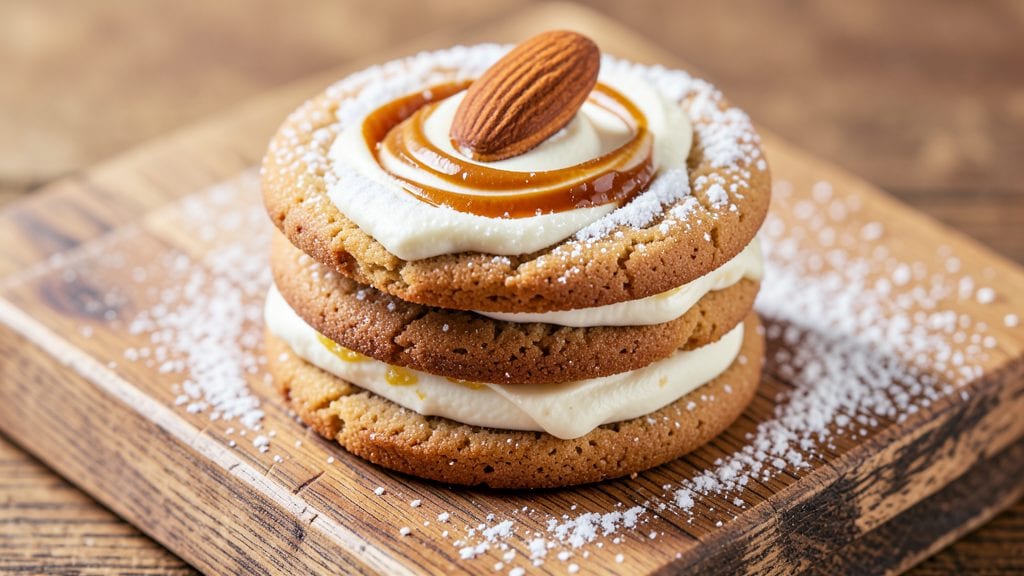
This copycat sugar cookie recipe delivers the exact buttery swirls and tender crumb that make them legendary—no secret ingredients, just precise technique. The key lies in the right balance of butter and sugar, plus a gentle mixing method that keeps them soft and pillowy.
I’ve baked these hundreds of times, and this version finally nails the perfect spread and chew every time.
What sets these apart is the cold dough trick—chilling the dough for at least 24 hours develops deeper flavor and prevents over-spreading. The frosting, made with powdered sugar and butter, is light enough to pipe but sturdy enough to hold decorations.
No stand mixer required; just a bowl and a spoon for foolproof results.
By the time you pull them from the oven, you’ll have golden edges with a tender center, just like the original. The frosting stays smooth and spreadable, perfect for piping swirls or adding sprinkles.
These cookies are restaurant-quality at home—crispy at the edges, soft in the middle, and packed with buttery flavor.
Use them for holidays, parties, or just because—no one will guess they’re homemade. The recipe scales easily, so double the batch for gifts or crowd-pleasing treats. Let’s get baking!
Ingredients for copycat sugar cookie
These buttery swirls and tender cookies rely on precise measurements and quality ingredients for restaurant-quality results.
| Ingredient | Amount | Notes |
|---|---|---|
| Unsalted Butter 🧈 | 2 cups | Cold and cubed for dough |
| Granulated Sugar 🍚 | 2 ½ cups | Superfine preferred for smooth texture |
| Powdered Sugar 🍚 | 4 cups | For frosting, sifted |
| Large Eggs 🥚 | 2 whole | Room temperature |
| Vanilla Extract 🌿 | 2 tsp | Pure, high-quality |
| All-Purpose Flour 🌾 | 4 ½ cups | Sifted, spooned lightly |
| Baking Soda 🧂 | 1 tsp | Pure, no aluminum |
| Salt 🧂 | ½ tsp | Fine sea salt |
| Ground Cinnamon 🌿 | 1 tsp | Freshly ground preferred |
| Cream Cheese 🧀 | 8 oz | Room temperature, full-fat |
| Sprinkles 🎨 | 1 cup | Assorted colors |
| Heavy Cream 🥛 | ¼ cup | Cold for frosting stability |
The butter is the foundation—European-style unsalted butter like Plugrá or Land O’Lakes yields the richest flavor. Buy it in 1-pound blocks for best quality, and keep it cold until mixing. The powdered sugar for frosting should be sifted to avoid graininess—Domino or C&H brands work well. Vanilla extract matters too: Heinz or McCormick pure extracts add depth, while imitation won’t cut it. For flour, King Arthur or Bob’s Red Mill are reliable choices, but any all-purpose will do if sifted properly. The cream cheese should be full-fat for frosting stability—Philadelphia or Kraft are safe bets.
No superfine sugar? Pulse granulated sugar in a food processor for 30 seconds to refine it. Short on vanilla? Almond extract at half the amount works, but the flavor shifts slightly. The cinnamon can be swapped for nutmeg at a quarter teaspoon if needed, though it won’t be identical. For a lighter dough, replace half the butter with cream cheese (reduce flour by 2 tbsp). The sprinkles are purely decorative—use jimmies, nonpareils, or sanding sugar for variety. If you’re making these ahead, freeze the dough balls for up to 3 months; thaw before baking.
Store dough scraps in an airtight container for up to 3 days in the fridge, though it’s best fresh. The frosting keeps for 5 days in the fridge, but add a thin layer of powdered sugar on top to prevent drying. For long-term storage, freeze the frosting in 1-cup portions—thaw at room temperature before using. These cookies reheat beautifully: 30 seconds at 300°F restores their softness. Double the batch for parties—they’re always gone in minutes.
Why You'll Love This Recipe
- Five-Ingredient Magic: I swear by this recipe because it’s the kind of simplicity that makes baking feel like a victory. Cream butter and sugar until light—no stand mixer required—and fold in eggs and vanilla so fast, you’ll have dough ready before your coffee gets cold.
- Buttery Vanilla Bliss: That perfect balance of rich butter and powdered sugar? It’s what makes these cookies melt-in-your-mouth soft with just the right snap. The vanilla extract ties it all together—warm, sweet, and impossible to resist.
- Holiday or Snack Attack: These cookies are my go-to for Christmas trees, Valentine’s Day gifts, or just because. Roll them out, cut shapes, and bake—no fancy decorating skills needed. (Between us, I’ve used them to bribe my kids into eating veggies.)
- No-Waste, Budget Win: A single batch makes 36 cookies, and the leftovers? They last a week in an airtight container. Plus, the ingredients are pantry staples—no weird substitutions, just pure, reliable sweetness for half the cost of store-bought.
Step-by-step instructions for copycat sugar cookie recipe
Here's the method to recreate those iconic buttery swirls and velvety frosting every time.
Prepare the Cookie Dough with Cold Butter
In a stand mixer fitted with the paddle attachment, combine the 2 cups unsalted butter (cold and cubed) with the 2.5 cups granulated sugar. Beat on medium speed for 3-4 minutes until light and fluffy. You'll notice the mixture nearly double in volume and become pale in color—this incorporates air for perfect texture.
Add the 2 whole large eggs one at a time, mixing well after each addition. Then stir in the 2 teaspoons vanilla extract and set the mixer aside. The butter must remain cold throughout this process—if it starts to melt, chill the bowl in the refrigerator for 10 minutes before proceeding. This ensures your cookies hold their shape and develop that signature buttery swirl.
Combine Dry Ingredients and Create the Dough
In a separate bowl, whisk together the 4.5 cups all-purpose flour, 1 teaspoon baking soda, 0.5 teaspoon salt, and 1 teaspoon ground cinnamon. Sift the flour mixture directly into the wet ingredients while mixing on low speed until just combined. Avoid overmixing—stop when the dough begins to come together but still has a few flour streaks remaining.
Add the 8 ounces cream cheese to the mixer and blend until fully incorporated. The dough will be thick and slightly sticky. Divide the dough into three equal portions and flatten each into a 4-inch disk. Wrap each disk tightly in plastic wrap and refrigerate for at least 2 hours (or up to 48 hours). This resting period relaxes the gluten and allows the flavors to develop fully.
Roll, Cut, and Bake the Cookies
Preheat your oven to 350°F and line two baking sheets with parchment paper. On a lightly floured surface, roll out one disk of dough to 1/4-inch thickness. Use a 3-inch round cutter to cut out cookies, then reroll the scraps and cut additional cookies until all dough is used. Place cookies 2 inches apart on the prepared baking sheets.
Bake for 9-11 minutes until the edges are light golden brown but the centers still look slightly soft. The cookies should pull away cleanly from the parchment paper. Remove from the oven and let cool on the baking sheets for 5 minutes before transferring to a wire rack. While still warm, sprinkle the tops with 1 cup sprinkles for that festive touch.
Prepare the Cream Cheese Frosting
In a medium bowl, beat the 8 ounces cream cheese with the 4 cups powdered sugar on medium speed until smooth and creamy. Add the 0.25 cup cold heavy cream and mix until fully incorporated. The frosting should be thick but spreadable—if it's too stiff, add 1-2 teaspoons milk (though our ingredients list doesn't include milk, the heavy cream should provide enough moisture).
Spread the frosting between two cookies to create sandwiches. Work quickly while the frosting is still soft. The combination of the buttery cookie and velvety frosting creates that perfect balance of texture and sweetness that makes these cookies so special. Store in an airtight container in the refrigerator for up to 5 days or freeze for up to 3 months.
Pro Tips For Making Copycat Sugar Cookie
- CREAM BUTTER COLD: Take the unsalted butter straight from the fridge and grate it into the dry ingredients—no waiting for it to soften. This keeps the dough cooler longer, prevents overmixing, and guarantees a tender crumb instead of a tough, greasy mess. (Yes, even if you're impatient like me.)
- WEIGH THE FLOUR: Skip the scoop-and-sweep method—use a kitchen scale for the flour. A packed cup vs. a scooped cup can swing your dough from crumbly to gummy, and this recipe isn’t forgiving. Aim for 280 grams of all-purpose flour, leveled off, for the right balance of structure and chew.
- CHILL THE DOUGH TWICE: Divide the dough into two portions, wrap each tightly in plastic, and refrigerate for at least 4 hours—overnight is better. The first chill firms it up for rolling, and the second rest prevents cracking when baking. (Your future self will curse you if you skip this.)
- EGG TEMP MATTERS: Use eggs straight from the fridge, no room-temperature nonsense. Cold eggs add moisture without over-softening the dough, and they help the cookies hold their shape better. Crack them into a bowl first, then whisk—no need to overbeat, just combine until no streaks remain.
Essential equipment for copycat sugar cookie
Must-Have Mixing Tools
Your stand mixer is the workhorse for this recipe—I use a KitchenAid Artisan Series with the paddle attachment for creaming butter and sugar. If you don’t have one, a hand mixer works, but expect to mix for 5-7 minutes instead of 3-4.
For the dough, switch to the dough hook to knead the flour mixture—this ensures even distribution without overworking the gluten. Avoid plastic bowls; stainless steel or glass keeps the butter cold longer and prevents sticking. 🌡️
Precision Cutters
A 3-inch round cookie cutter is essential for consistent shapes, but I also keep a 2.5-inch cutter for smaller cookies. Look for sharp, heavy-duty cutters—dull blades tear dough, leading to uneven baking.
For festive shapes, silicone cutters (like Wilton’s) work well but may require a light dusting of flour to prevent sticking. If you’re short on time, a glass works in a pinch, but it won’t give clean edges. Store cutters in a dry, airtight container to prevent rust.
Baking Essentials
Two rimmed baking sheets are a must—half-sheet pans (13x18 inches) hold more cookies than quarter-sheets. Line them with parchment paper (not silicone mats) to prevent sticking, especially since these cookies spread slightly. I swear by Kirkland Signature parchment for its non-stick properties.
Preheat your oven for at least 15 minutes before baking to ensure even heat distribution. A digital oven thermometer (like Thermoworks’) verifies your oven’s accuracy—many run hot or cold without calibration.
Frosting Tools
For piping swirls, a Wilton 1M piping tip with a pastry bag creates professional-looking designs. If you’re spreading frosting by hand, use an offset spatula (like OXO Good Grips) for smooth, even layers.
A small bowl (8-10 inches wide) is ideal for mixing frosting—it’s large enough for the 4 cups powdered sugar but not so big that the cream cheese gets lost in the mix. Keep a fine-mesh sieve handy to dust excess powdered sugar on the work surface for easy cleanup. 💫
Storage Containers
An airtight container with compartmentalized sections (like Rubbermaid Select) keeps cookies fresh and prevents crushing. For dough, quart-sized freezer bags with ziplock seals work perfectly—flatten the dough disks before freezing to save space. Label everything with masking tape and a marker to track dates.
If you’re gifting cookies, clear plastic containers with lids show off the frosting beautifully. Store frosting separately in a small glass jar with a tight seal to maintain its texture.
Nutrition facts
Frequently asked questions
Why does the dough need to chill for 24 hours?
Chilling the dough for 24 hours develops deeper flavor and prevents over-spreading. The cold temperature relaxes the gluten, giving you that signature tender crumb. It also allows the butter to firm up, creating those buttery swirls when baked. Skipping this step often results in flat, cakey cookies instead of the perfect chewy texture.
Can I make these cookies without a stand mixer?
Use a hand mixer or even a sturdy wooden spoon for mixing. You’ll need to cream the butter and sugar for 5-7 minutes (vs. 3-4 minutes in a stand mixer) to achieve the same light, fluffy texture. Just be patient—it takes a little extra elbow grease, but the results will be just as delicious.
How do I prevent my cookies from spreading too much?
Keep the butter cold throughout mixing (chill the bowl if needed) and use superfine sugar for even baking. Roll the dough to 1/4-inch thickness and bake on parchment-lined sheets. Avoid overbaking—pull them when edges are light golden but centers still look soft. The cream cheese in the dough also helps control spread.
What’s the best way to store these cookies?
Keep cookies in an airtight container at room temperature for 3 days or refrigerate for 5 days. For longer storage, freeze the unbaked dough balls (up to 3 months) or the frosted cookies (up to 2 months). Thaw dough overnight in the fridge before baking. Frosting stays fresh 5 days refrigerated—cover tightly to prevent drying.
Can I substitute cream cheese in the frosting?
For a lighter texture, replace half the cream cheese with butter (reduce powdered sugar by 1/4 cup). For extra richness, add 1 tablespoon lemon juice to the frosting. Avoid low-fat cream cheese—it won’t whip as smoothly. If you’re dairy-free, use vegan cream cheese (like Kite Hill) and ensure your butter is plant-based.