
Tips
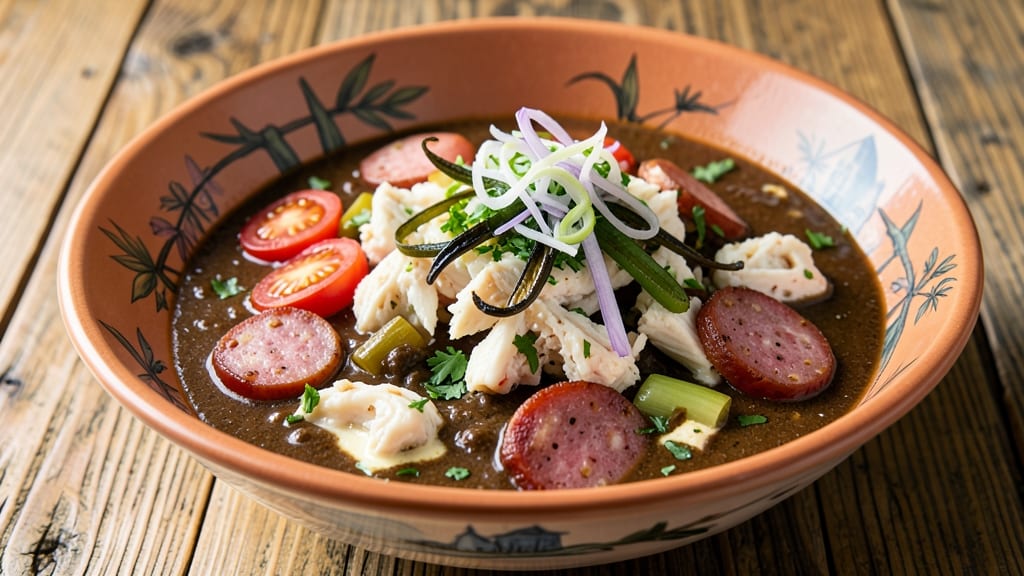
Using crab meat in gumbo enhances its richness, with ½ to 1 pound per 4 servings added just before serving to preserve its delicate texture and sweet flavor. Lump varieties work best, while backfin adds depth without overpowering the roux.
I’ve found that crab’s natural sweetness acts like a flavor amplifier in gumbo, cutting through the roux’s richness without competing with it.
The key is adding it late—heat breaks down delicate proteins, turning that buttery texture into mush. 🔥 For a true Louisiana touch, I like using a mix of lump and backfin: the lumps give that satisfying bite, while backfin adds a subtle, almost meaty depth that pairs perfectly with the smoky notes in the dish.
If you’re working with frozen crab, always thaw it overnight in the fridge and give it a quick rinse before adding—this removes any icy residue that can dilute your gumbo’s depth.
And pro tip: if you’re short on crab, shrimp or crawfish work in a pinch, but they’ll bring their own distinct character to the pot.
💡 In This Article
- How Crab Meat Enhances Gumbo Flavor Chemistry
- Best Crab Meat Types and Substitutes for Gumbo
How crab meat enhances gumbo flavor chemistry
The magic happens when crab’s natural sweetness—thanks to its high glycine content (up to 1.2% by weight)—marries with gumbo’s deep, nutty roux.
This amino acid creates a subtle caramelization when exposed to the dish’s heat, adding a delicate savory note that bridges the gap between the roux’s richness and the seafood’s brininess. 🔥 The umami from crab’s natural shellfish broth (even in pre-cooked meat) amplifies the dish’s depth, making every spoonful more complex than the sum of its parts.
Acidity plays a crucial role too. The tomatoes and sometimes lemon in gumbo act as flavor regulators, cutting through the seafood’s natural fishiness (caused by trimethylamine compounds) while highlighting the crab’s sweetness. Think of it like balancing a rich red wine with a splash of citrus—it brightens the whole experience.
The ideal ratio is about 1 part acid (lemon juice or tomato paste) to 3 parts roux, which keeps the crab’s delicate profile from getting lost in the sauce.
Texture contrast is where gumbo truly shines. Lump crab meat provides that satisfying al dente bite that contrasts beautifully with the silky roux and tender chicken or sausage. Meanwhile, backfin’s slightly coarser texture adds a subtle "chew" that mimics the mouthfeel of crawfish tails, creating a layered experience.
The key is keeping the crab at 40-45°F until serving—cold crab maintains its firm texture while warm crab becomes too soft too quickly.
Here’s what happens when you add crab too early: The delicate proteins begin breaking down at 140°F, turning that prized firm texture into a mushy mass within 15-20 minutes. That’s why the late addition isn’t just tradition—it’s science.
The crab’s enzymes remain active until the final moment, preserving its natural sweetness and preventing that "cooked seafood" flavor that dominates when heated too long.
For maximum impact, consider this flavor pyramid when building your gumbo: Start with the roux (30% of flavor base), then layer in the vegetables and meats (40%), and finish with the crab (30%).
This structure ensures the crab’s sweetness and umami don’t get overwhelmed by the other components. The result? A dish where every element—from the roux’s depth to the crab’s sweetness—plays its own distinct role while harmonizing perfectly.
What most people don’t realize is how the crab’s natural moisture (about 78-82% water content) actually helps emulsify the gumbo’s fat content, creating a silkier final texture.
This is why gumbo with crab often feels richer without needing additional cream or butter. It’s nature’s perfect pairing with the roux’s fat content! ✨