
Main Courses
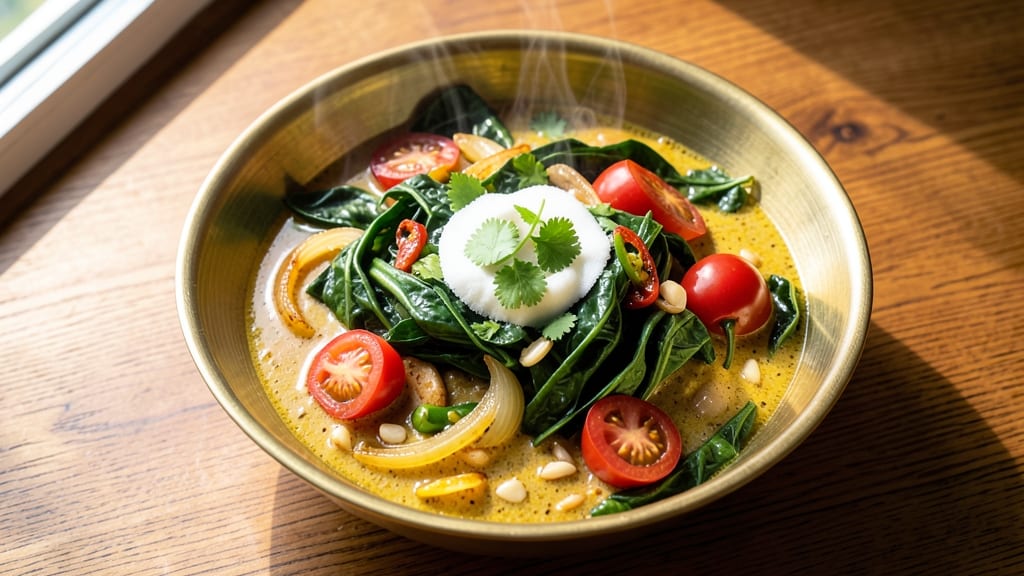
This drumstick leaves curry recipe transforms a humble vegetable into a vibrant, nutrient-packed South Indian masterpiece that celebrates zero-waste cooking. Drumstick leaves—often discarded—are packed with iron, vitamin C, and fiber, making this curry not just delicious but deeply nourishing.
The secret lies in balancing earthy spices with the leaves' natural bitterness, creating a dish that's both comforting and complex.
What sets this curry apart is its simplicity: just 10 ingredients, 30 minutes of active prep, and a slow simmer that lets flavors meld. You'll start by gently cleaning the leaves (no soaking required), then temper whole spices in hot oil to unlock their aromatic potential.
The result is a rich, spiced curry with tender leaves that soften just enough to absorb the flavors without losing their texture.
By the time you serve this curry steaming over steamed basmati rice or warm roti, your kitchen will smell like a South Indian home kitchen, and your plate will be a study in vibrant green, golden spices, and creamy coconut undertones.
The nutritional benefits don't stop at taste—this dish is a powerhouse of plant-based protein and essential vitamins, proving that sustainable cooking can be both practical and extraordinary.
Perfect for weeknight dinners or special occasions, this recipe scales effortlessly for a crowd. The leftovers keep well for 3 days in the fridge, making it an ideal meal prep solution. Let's bring this traditional South Indian classic to your table with professional precision and home-cooked warmth.
Ingredients for drumstick leaves curry
Ten ingredients, zero waste, and a flavor explosion that turns humble leaves into a South Indian treasure.
| Ingredient | Amount | Notes |
|---|---|---|
| Fresh Drumstick Leaves 🌿 | 2 cups | Packed, stems removed, washed |
| Coconut Oil 🥥 | ½ cup | Unrefined for authentic flavor |
| Yellow Onion 🧅 | 1 whole | Finely chopped, about 1 cup |
| Tomatoes 🍅 | 2 medium | Ripe, chopped, about 1 cup |
| Green Chilies 🌶️ | 3 whole | Slit lengthwise, seeds removed |
| Garlic Cloves 🧄 | 8 cloves | Crushed, not minced |
| Fresh Turmeric 🌿 | 1 inch | Grated, about 1 tsp |
| Mustard Seeds 🌱 | 1 tbsp | Whole, for tempering |
| Curry Leaves 🌿 | ¼ cup | Dried or fresh, packed |
| Coconut Milk 🥥 | 1 can | Full-fat, 13.5 oz can |
| Salt 🧂 | 1 ½ tsp | Diamond Crystal preferred |
| Ginger 🌿 | 1 inch | Fresh, grated |
Drumstick leaves are the star here, so pick fresh, vibrant ones—avoid any with brown spots or wilting. Most Indian grocery stores carry them, often in the produce section near other leafy greens. Whole Foods or Trader Joe's sometimes stock them too, but call ahead. If you're lucky enough to have a local Indian market nearby, they'll likely have them fresh daily. The leaves should be bright green and crisp—no need to soak them, just give them a quick rinse under cold water before using. For the spices, Penzeys or Spicewalla offer high-quality whole spices, but the regular grocery store brands work perfectly for this dish.
No coconut milk? Coconut cream works in a pinch, but the texture will be thicker. Fresh curry leaves are ideal, but dried leaves at half the amount will do if you can't find them. The green chilies can be swapped for red chilies at the same quantity, though the flavor will be slightly different. For the tomatoes, San Marzano canned tomatoes are perfect if you're short on time—just crush them by hand. The mustard seeds are non-negotiable for that signature South Indian flavor, but if you're allergic, sesame seeds toasted in the oil can mimic some of the aroma.
This curry tastes even better the next day as the flavors meld. Store in an airtight container in the fridge for up to 3 days, or freeze for 3 months. I like to portion it into individual containers so it's ready for quick lunches. The coconut milk will separate slightly when refrigerated—just stir it back together before reheating. For a restaurant-style touch, garnish with a sprinkle of fresh cilantro before serving.
Why You'll Love This Recipe
- No-Chop Chaos Allowed: Honestly, I swear by this recipe when I’m too tired to dice anything. Drumstick leaves wilt down fast in coconut oil—just tear them, no measuring, no fuss—and the onions and tomatoes soften while you stir. That’s it. The only prep is washing leaves and slicing chilies, which takes less time than scrolling through recipes.
- Earthy Heat Magic: Between us, that first bite of drumstick leaves—slightly bitter, with the coconut oil’s richness—is chef’s kiss. The green chilies add a slow-building warmth that lingers, while the tomatoes keep it bright and tangy. It’s the kind of curry that tastes like a hug from your grandma’s kitchen, but with way less cleanup.
- Leftover Goldmine: This curry actually improves the next day. The flavors meld into something deeper, and it reheats like a dream—just a splash of water, a quick simmer. I make a big batch on Sundays and eat it for lunch all week, pairing it with rice or roti. No sad, dried-out leftovers here.
- Budget-Friendly Powerhouse: Drumstick leaves are a pantry secret—cheap, packed with nutrients, and way more exciting than spinach. A single bunch stretches for multiple meals, and coconut oil adds richness without breaking the bank. Plus, you’re using whole ingredients, not pre-packaged shortcuts. My wallet and my taste buds thank me.
Step-by-step instructions for drumstick leaves curry
Here's the method to transform humble drumstick leaves into a fragrant, spice-forward curry that's both nourishing and deeply flavorful.
Prepare the Base with Mustard Seeds and Aromatics
Heat the 0.5 cup coconut oil in a heavy-bottomed pot over medium heat. Once the oil shimmers but doesn't smoke, add the 1 tablespoon mustard seeds. Watch closely as they pop and sizzle—this is your signal they're ready for the next ingredients.
Immediately add the 0.25 cup curry leaves, 1 whole yellow onion (finely chopped), and 3 whole green chilies (slit lengthwise). Stir constantly for 3-4 minutes until the onions soften to a translucent golden color and the curry leaves release their aromatic oils. The green chilies should soften slightly but remain vibrant—not mushy. This foundational step builds the curry's signature depth of flavor.
Incorporate Ginger, Turmeric, and Tomatoes
Add the 1 inch grated ginger and 1 inch grated turmeric, stirring for 1 minute until the raw aroma of ginger dissipates and the turmeric infuses the oil with its golden hue. This is where the curry's earthy warmth begins to develop.
Next, add the 2 medium tomatoes (chopped) and cook for 5-6 minutes until they break down into a thick, glossy pulp. The mixture should reduce by about half, intensifying the tomato's natural sweetness and creating a rich base for the coconut milk. If the oil begins to separate, stir more vigorously to emulsify it back into the sauce.
Add Drumstick Leaves and Simmer
Gently fold in the 2 cups packed drumstick leaves (stems removed and washed). Stir just enough to distribute them evenly throughout the sauce. The leaves will wilt dramatically as they release their earthy, slightly bitter notes—this is normal and essential for the curry's authentic character.
Reduce the heat to low and let the mixture simmer uncovered for 10-12 minutes. You'll see the leaves break down further, releasing their nutrients and melding with the aromatic base. The curry should thicken slightly, and the oil should rise to the surface, creating a beautiful sheen. This simmering step is where the flavors truly marry, so don't rush it.
Finish with Coconut Milk and Season
Pour in the 1 can coconut milk and stir gently to combine. The curry will lighten in color and become more velvety in texture. Add the 1.5 teaspoons salt and the 8 crushed garlic cloves, stirring well to distribute them evenly. The garlic will infuse the curry with its pungent sweetness, balancing the earthy drumstick leaves.
Bring the curry to a gentle simmer again and cook for an additional 8-10 minutes. The coconut milk will thicken slightly, and the flavors will meld into a harmonious blend. Taste and adjust the seasoning—you may need a touch more salt to enhance the flavors, especially if you're using low-sodium coconut milk. The curry should be vibrant, aromatic, and deeply satisfying.
Rest and Serve
Remove the pot from heat and let the curry rest for 5 minutes. This resting period allows the flavors to settle and the curry to thicken slightly, ensuring each spoonful delivers a perfect balance of creaminess, spice, and earthiness.
Serve the drumstick leaves curry hot, accompanied by steamed rice or crusty bread. The curry's rich texture and complex flavors make it a nourishing and delicious centerpiece for any meal. For extra depth, garnish with a sprinkle of fresh cilantro or a drizzle of coconut oil before serving.
Pro Tips For Making Drumstick Leaves Curry
- Blanch Leaves First: Toss the drumstick leaves in boiling water for 30 seconds before using—this softens the texture and prevents that stubborn bitterness from creeping in. I learned this the hard way after serving curry that tasted like someone forgot to wash the greens.
- Low and Slow for Onions: Sweat your onions on low heat until they’re translucent but not browned—you’re building flavor, not caramelizing yet. After burning three batches, I finally figured out that patience here means the curry won’t taste like it’s fighting for dominance with the chilies.
- Crush Chilies, Don’t Chop: Smash the green chilies with the flat side of your knife first—this releases more capsaicin and oil, giving your curry a deeper heat without losing texture. Sounds weird, but it works: the curry packs a punch without turning into a one-note spice bomb.
- Reserve Coconut Oil: Keep 1 tablespoon of the coconut oil back until the very end—drizzle it over the finished curry just before serving. It adds a silky richness that disappears if you add it too early. (Yes, even if you’re impatient like me.)
Serving suggestions for drumstick leaves curry
Rice Pairings
Steamed basmati rice is the classic companion to this curry, absorbing its coconut-rich sauce beautifully. I like to use jasmine rice for its floral aroma, which complements the earthy drumstick leaves.
Cook 1 cup basmati rice with 1.5 cups water and ½ tsp salt, steaming for 15 minutes until tender. For extra flair, stir in 1 tablespoon toasted coconut flakes while hot. 🍚
Bread Options
Warm, crusty roti or naan makes an excellent alternative to rice. I recommend whole wheat roti for added fiber and texture contrast. Brush with garlic-infused oil before serving to enhance the curry's flavors.
For a quick option, toast sourdough bread until golden and serve with a side of mango chutney for balance.
Yogurt Balance
Cool, creamy yogurt cuts through the curry's richness and balances its spice. I serve plain Greek yogurt chilled with a sprinkle of roasted cumin powder and a pinch of black salt (kala namak).
For extra freshness, add diced cucumber and mint leaves. This pairing is especially refreshing during hot weather. 🥛
Pickled Accents
Add a tangy contrast with mango pickle or carrot pickle. I like Homemade mango pickle with its sweet-spicy balance. Serve 1-2 tablespoons alongside each portion to brighten the dish.
For a quicker option, mix ½ cup diced red onion with 1 tablespoon apple cider vinegar and ½ teaspoon sugar.
Garnish Ideas
Fresh cilantro adds brightness and color. I chop ¼ cup cilantro finely and sprinkle it over the curry just before serving. For extra richness, drizzle with toasted coconut oil or a swirl of yogurt cream (whisk yogurt with a pinch of salt).
A pinch of red chili powder adds a final kick of heat. 🌿
Meal Prep Serving
For meal prep, store curry in airtight containers with a layer of steamed rice on top. This prevents sogginess and keeps flavors fresh for up to 3 days.
Reheat gently on low heat with a splash of water. Pack with a small side of pickled onions or chutney for a portable, balanced meal. 📅
Nutrition facts
Frequently asked questions
Can I use frozen drumstick leaves instead of fresh?
Fresh leaves are ideal for this curry, but you can use frozen if necessary. Thaw them completely first, then pat them dry thoroughly to remove excess moisture. The texture will be slightly softer than fresh, but the flavor remains excellent. Avoid using wilted or pre-washed frozen leaves—they'll release too much water and dilute the curry's richness.
Why do the drumstick leaves turn bitter?
The natural bitterness in drumstick leaves is normal and actually enhances the curry's depth when balanced properly. To minimize it, avoid overcooking the leaves—they should soften but not turn mushy. The coconut milk and tomatoes help mellow the bitterness, while green chilies add brightness to create harmony. If you find it too strong, add a pinch of sugar or more coconut milk to balance.
Can I make this curry without coconut milk?
Yes, but the texture will be thinner and less creamy. Substitute with ½ cup coconut cream plus ¼ cup water> or 1 cup vegetable broth>. For a dairy-free alternative, blend ½ cup soaked cashews> with ½ cup water> until smooth. The curry will still be flavorful, but the traditional velvety mouthfeel will be lost. The coconut's natural sweetness also helps balance the leaves' earthiness.
How do I store leftovers to keep them fresh?
Transfer the curry to an airtight container and refrigerate for up to 3 days. The coconut milk may separate slightly—just stir before reheating. For longer storage, freeze in portions for up to 3 months. To reheat, warm on low heat> with a splash of water or coconut milk to restore creaminess. Never reheat directly from frozen—thaw first in the fridge.
What's the secret to getting the perfect mustard seed tempering?
The key is patience and heat control. Use medium heat> and watch the mustard seeds closely—they should pop loudly and turn golden before adding other aromatics. If they burn (turn dark or smell acrid), start over with fresh oil. The popping releases their oils, creating that signature South Indian aroma. Add curry leaves immediately after the seeds pop to preserve their freshness.