
Soups & Stews
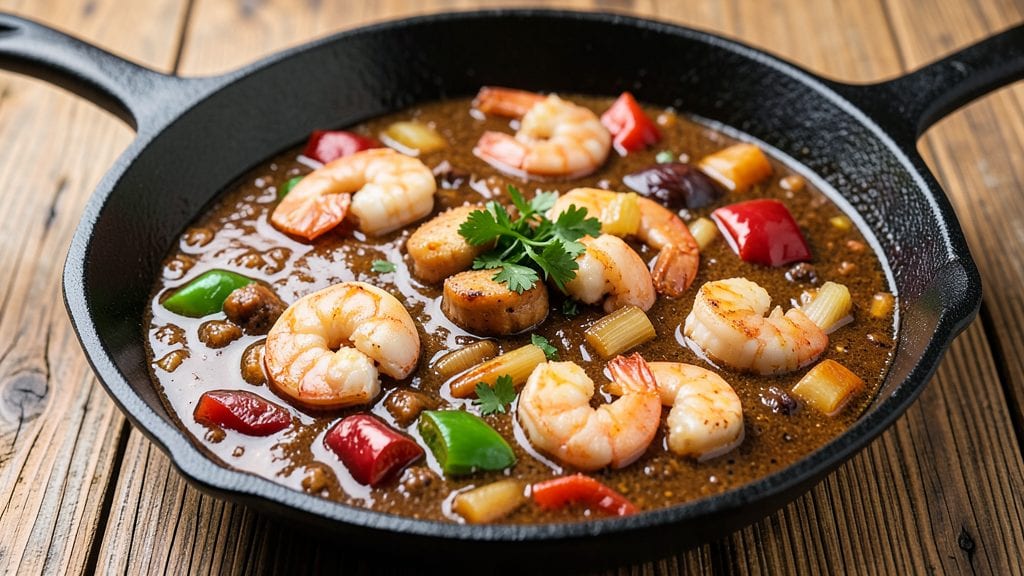
Emeril Lagasse's shrimp gumbo recipe delivers the bold, aromatic essence of Cajun cuisine in every spoonful. This one-pot masterpiece transforms simple ingredients into a rich, spice-infused symphony that captures the heart of Louisiana tradition.
The secret lies in the deep, dark roux—cooked until it reaches that perfect mahogany hue—where flavors develop slowly into a velvety base.
What sets this gumbo apart is Emeril's signature technique of layering flavors: the roux builds the foundation, the holy trinity (onions, bell peppers, celery) establishes the base, and the shrimp—fresh and plump—becomes the star.
The slow simmer allows spices to meld while maintaining their distinct character, creating a balance of heat, sweetness, and smokiness that defines authentic gumbo.
By the time you ladle this into bowls, you'll have a dish that's deeply satisfying—thick with okra or filé powder for body, infused with smoked paprika and cayenne for depth, and finished with a splash of hot sauce for that signature kick.
The shrimp arrives tender and flavorful, absorbing all the complex layers of the gumbo while adding its own delicate sweetness.
Perfect for feeding a crowd or meal prepping for the week, this gumbo tastes even better the next day as flavors continue to develop. The professional technique ensures restaurant-quality results at home, with every element working together to create Emeril's signature bold Cajun experience.
Ingredients for emeril lagasse shrimp gumbo
Emeril's signature Cajun flavors begin with this essential ingredient list, designed for depth and authenticity.
| Ingredient | Amount | Notes |
|---|---|---|
| Unsalted Butter 🧈 | ¾ cup | Cold, cut into small cubes |
| All-Purpose Flour 🌾 | 1 ½ cups | White, for roux development |
| Yellow Onions 🧅 | 2 whole | Diced, medium size preferred |
| Green Bell Peppers 🌶️ | 2 whole | Diced, seeds removed |
| Celery Stalks 🥬 | 3 whole | Diced, stringy variety |
| Garlic Cloves 🧄 | 4 cloves | Minced, fresh preferred |
| Smoked Paprika 🌶️ | 2 tbsp | High-quality, for depth |
| Dried Thyme 🌿 | 1 tbsp | Fresh preferred if available |
| Dried Oregano 🍃 | 1 tbsp | Mexican oregano preferred |
| Cayenne Pepper 🔥 | 1 tsp | Adjust for heat preference |
| Salt 🧂 | 1 ½ tsp | Diamond Crystal kosher |
| Black Pepper 🌶️ | ½ tsp | Freshly ground preferred |
| Chicken Stock 🍲 | 4 cups | Low-sodium, homemade preferred |
| Okra Pods 🌱 | 1 cup | Fresh, sliced into rounds |
| Large Shrimp 🦐 | 1 ½ lb | Peeled, deveined, tail-on |
| Hot Sauce 🌶️ | 2 tbsp | Crystal or Tabasco preferred |
| Green Onions 🧅 | ¼ cup | Sliced, for garnish |
| Fresh Parsley 🌿 | ¼ cup | Chopped, for garnish |
The roux is non-negotiable here—unsalted butter and all-purpose flour must be cooked to a deep mahogany color for that authentic gumbo flavor. Costco or Whole Foods carry high-quality butter for optimal flavor development. For flour, King Arthur or Bob's Red Mill provide consistent results. The holy trinity of yellow onions, green bell peppers, and celery should be diced uniformly—Trader Joe's sells pre-cut versions if you're short on time, but fresh is always superior. Garlic cloves should be minced finely for even distribution throughout the gumbo.
No smoked paprika? Substitute with a mix of regular paprika and a pinch of liquid smoke—though nothing matches the depth of Penzeys brand. Fresh thyme is ideal, but dried works at half the amount if that's what you have. Cayenne pepper can be adjusted based on heat tolerance—start with less and add more if needed. For chicken stock, Pacific Foods or Imagine brands offer excellent low-sodium options. Okra pods can be omitted if unavailable, but filé powder (made from ground sassafras) can be used instead for thickening—just add it at the end to avoid clumping.
This gumbo develops richer flavors when reheated, so portion into airtight containers and store for up to 5 days in the refrigerator. For longer storage, freeze for up to 3 months. The shrimp should be added just before serving to maintain its delicate texture. Garnish with green onions and fresh parsley immediately before serving—these add vibrant color and freshness. Hot sauce should be added to taste just before serving to preserve its potency.
Why You'll Love This Recipe
- Trinity in a Pan: The classic "holy trinity" of onions, bell peppers, and celery gets sautéed until sweet and translucent—no fancy chopping skills required. I just dice them roughly, toss them in, and let the butter work its magic while I stir.
- Butter-Roux Magic: That golden brown roux made with butter and flour? It’s the secret weapon—creamy, rich, and deep without being greasy. Once you taste the difference from oil-based roux, you’ll never go back.
- Weeknight Crowd-Pleaser: This gumbo doubles easily for leftovers (trust me, it’s even better the next day) and impresses guests without needing a fancy menu. My in-laws asked for the recipe after one bite—no exaggeration.
- Budget-Friendly Luxury: Shrimp might seem pricey, but the rest of the ingredients are pantry staples. A single batch feeds four for under $15, and the roux stretches the flavor so you won’t miss expensive shortcuts.
Step-by-step instructions for Emeril Lagasse's shrimp gumbo
Master this Cajun classic with precise technique and bold flavors in one pot.
Develop the Roux to a Deep Brown
Melt the 0.75 cup unsalted butter in a 6-quart Dutch oven over medium heat. Add the 1.5 cups all-purpose flour all at once and whisk constantly for 5-7 minutes until the mixture turns a chocolate brown color. This is crucial—watch closely as the roux transitions from peanut butter-like to deep brown. If it darkens too quickly, reduce heat slightly to prevent burning.
Here's the thing—this roux forms the flavor foundation. A properly developed roux should coat the back of a spoon and have a rich, nutty aroma. If you smell something acrid, you've gone too far. For Emeril's signature depth, aim for that perfect balance between rich color and subtle bitterness that enhances the gumbo's complexity.
Sauté the Holy Trinity and Spices
Immediately add the 2 diced yellow onions, 2 diced green bell peppers, and 3 diced celery stalks to the Dutch oven. Cook over medium heat for 8-10 minutes, stirring occasionally, until the vegetables soften and release their moisture. This combination is known as the "holy trinity" in Cajun cooking, forming the flavor base.
Next, add the 4 minced garlic cloves and cook for 30 seconds until fragrant. Then stir in the 2 tablespoons smoked paprika, 1 tablespoon dried thyme, 1 tablespoon dried oregano, 1 teaspoon cayenne pepper, 1.5 teaspoons salt, and 0.5 teaspoon black pepper. The spices should bloom and fill your kitchen with their aromatic intensity. Cook for another 1 minute to toast the spices slightly, deepening their flavors before adding liquid.
Build the Gumbo Base with Okra and Stock
Gradually whisk in the 4 cups chicken stock over 2-3 minutes, ensuring no lumps form. Add the 1 cup sliced okra pods and bring the mixture to a gentle boil. Reduce heat to medium-low and let it simmer uncovered for 30 minutes, stirring occasionally. The okra will thicken the gumbo naturally and add its signature texture.
During this time, the gumbo should develop a rich, velvety consistency. You'll notice the okra breaks down and releases its natural thickening properties. This is where the gumbo transforms from a simple stew into something truly special. If the gumbo becomes too thick before the shrimp is added, simply whisk in a splash of water or stock to reach your desired consistency.
Add Shrimp and Finish the Gumbo
Gently stir in the 1.5 pounds peeled, deveined shrimp and simmer for 5-7 minutes until they turn pink and opaque throughout. The shrimp should cook just until done—overcooking will make them rubbery. Taste the gumbo and adjust seasoning with additional salt or hot sauce if needed. Emeril often finishes his gumbo with a bold kick, so don't be afraid to add the 2 tablespoons hot sauce now if you prefer extra heat.
Remove the gumbo from heat and let it rest for 5 minutes. This allows the flavors to meld and the shrimp to absorb the rich broth. The gumbo should have a thick, almost gravy-like consistency with visible shrimp and vegetables. The aroma should be intoxicating—smoky, spicy, and deeply savory all at once.
Garnish and Serve
Ladle the gumbo into bowls and garnish each serving with 0.25 cup sliced green onions and 0.25 cup chopped fresh parsley. The green onions add a fresh contrast to the rich gumbo, while the parsley brightens the dish with its fresh herbaceousness. Serve immediately with hot, crusty bread to soak up every last drop of that flavorful broth.
This gumbo should be bold, complex, and full of Cajun character. Each bite should deliver layers of smoky heat from the roux, the sweetness of the holy trinity vegetables, and the briny freshness of the shrimp. The okra adds its signature texture, creating a gumbo that's both hearty and refined—a true taste of Louisiana in every spoonful.
Pro Tips For Making Emeril Lagasse Shrimp Gumbo
- COOK THE ROUX LOW AND SLOW: I learned this the hard way—rushing the roux turns it into glue. For Emeril’s shrimp gumbo, keep the heat at a gentle simmer (around 250°F) and stir constantly. A dark chocolate roux takes 45-60 minutes, but it’s worth it—any faster and you’ll end up with burnt flour bits that ruin the whole dish.
- SWEEAT THE TRINITY UNTIL SOFT: Don’t just chop the onions, peppers, and celery—cook them until they’re actually soft. Aim for 8-10 minutes over medium-low heat, stirring occasionally, until the onions turn translucent and the peppers lose their crunch. This step builds flavor that shortcuts can’t replicate.
- ADD SHRIMP AT THE END: Emeril’s recipe is clear on this, but I’ll say it louder: don’t overcook the shrimp. They should hit the pot for exactly 2-3 minutes—just enough to warm through and turn opaque. Any longer and they’ll turn rubbery, which is a crime in gumbo.
- USE A LITTLE BUTTER, NOT ALL: The recipe calls for butter in the roux, but I’ve found that adding another tablespoon at the very end—just before serving—adds a silky richness without overpowering. It’s a small tweak, but it makes the gumbo taste like it came from Emeril’s own kitchen.
Serving suggestions for this emeril lagasse shrimp gumbo
Crusty Bread Pairings
Emeril's shrimp gumbo demands a sturdy, flavorful bread to soak up every last drop of that rich broth. I reach for sourdough from my local bakery—its tangy crumb and thick crust cut through the gumbo's depth beautifully.
For a quicker option, Texas toast (buttered and toasted) works perfectly, especially if you want to add a smoky element by brushing it with garlic butter before serving. 🥖
Fresh Vegetable Sides
Bright, crisp vegetables balance the gumbo's richness. A simple corn salad with grilled corn kernels, cherry tomatoes, and a lime vinaigrette provides sweetness and acidity. For something heartier, roasted Brussels sprouts with smoked paprika and pecans mirror the gumbo's Cajun flavors while adding texture.
Both sides should be served warm to complement the gumbo's heat. 🥦
Rice Variations
While white rice is traditional, I often serve jasmine rice for its delicate floral notes that contrast the gumbo's bold spices. For a more substantial option, dirty rice—a Louisiana staple—adds another layer of flavor.
Cook the rice separately and serve it in the bowl with the gumbo, letting diners mix it in as they prefer. 🍚
Cheese and Charcuterie
Add a sophisticated touch with sharp cheddar cubes or creamy goat cheese on the side. The cheese melts slightly when dipped into the gumbo, creating a creamy contrast. For a charcuterie twist, include smoked sausage slices or prosciutto—both pair wonderfully with the shrimp's brininess. 🧀
Drink Recommendations
A dry white wine like Sauvignon Blanc from New Zealand cleanses the palate between bites of gumbo. For beer lovers, a light lager such as Corona or a wheat beer like Blue Moon complements the dish without overpowering its flavors.
If you prefer something non-alcoholic, sparkling lemonade with a touch of cayenne adds a refreshing kick. 🍷
Presentation Tips
Serve gumbo in deep, rustic bowls to showcase its rich texture and vibrant garnishes. Use green onions and parsley as both decoration and flavor enhancers—sprinkle them generously before serving.
For a restaurant-worthy touch, add a dash of smoked paprika on top to intensify the aroma. The presentation should reflect the gumbo's bold, inviting nature. ✨
Nutrition facts
Frequently asked questions
Can I substitute shrimp with another seafood in this gumbo?
If shrimp isn't available, try lump crab meat or firm white fish like cod or halibut. For a seafood medley, mix in mussels or scallops—just add them with the shrimp in the final 5 minutes of cooking. Mussels should be scrubbed and debearded first.
What's the best way to adjust the heat level in this gumbo?
Start with the 1 teaspoon cayenne pepper called for, then taste and adjust. For milder heat, reduce cayenne to ½ teaspoon or swap for ½ teaspoon smoked paprika. For extra kick, add 1-2 teaspoons hot sauce at the end or serve with extra cayenne on the side. Emeril often balances heat with sweetness—try adding 1 tablespoon brown sugar if you prefer a sweeter gumbo.
Can I make this gumbo ahead of time? How does reheating affect it?
This gumbo tastes even better the next day! Store in an airtight container in the fridge for up to 5 days or freeze for 3 months. Reheat gently on the stove over low heat, stirring occasionally and adding 1-2 tablespoons water or stock if it thickens too much. The flavors deepen with time, and reheating helps the roux and spices meld further.
What's the deal with the roux color—why is it so important?
The roux color directly impacts flavor: a peanut butter color (light) gives mild taste, while chocolate brown (like this recipe) delivers deep, nutty, slightly bitter complexity. For Emeril's signature gumbo, the deep brown is non-negotiable—it's the flavor anchor. If yours burns, start over with fresh butter and flour. Pro tip: Use a 6-quart Dutch oven for even heat distribution.
Can I make this gumbo vegetarian?
Yes! Replace shrimp with hearts of palm or extra okra/fili powder for thickness, and add vegetable stock instead of chicken stock. Boost umami with 1 tablespoon soy sauce or ½ teaspoon liquid smoke. For protein, stir in white beans or tofu cubes in the last 5 minutes of cooking. The roux and spices will carry the Cajun character even without seafood.