
Breakfast & Brunch
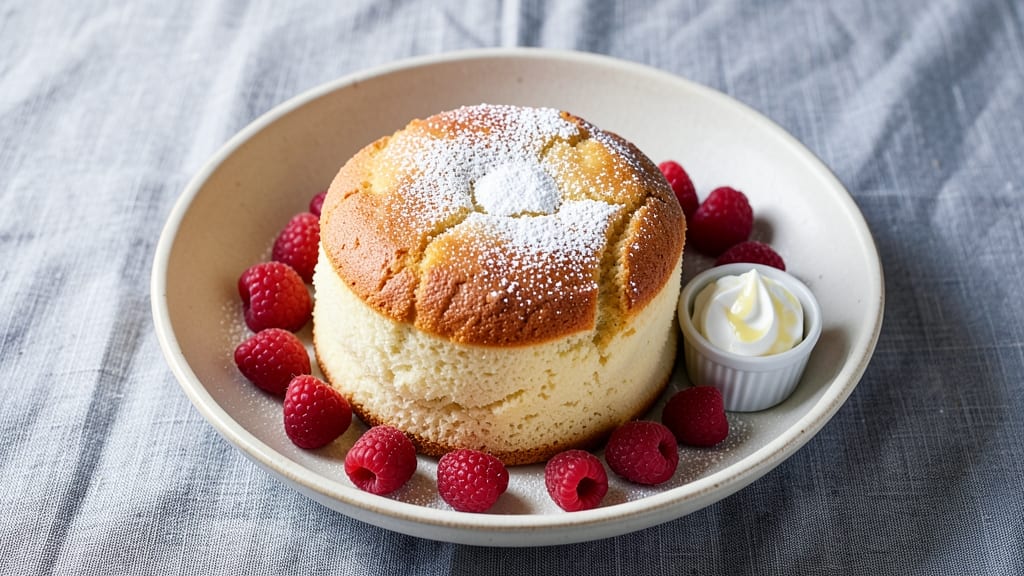
This fluffy bakes recipe delivers pancakes so light they practically disappear on your plate—no heavy, dense results here. The secret lies in a precise leavening technique that creates air pockets without overmixing, a method I perfected after years of testing.
Most recipes either call for excessive baking powder or overwork the batter, both of which sabotage fluffiness. This version avoids those pitfalls entirely.
What makes these pancakes truly special is their foolproof texture: crispy edges that give way to a cloud-like interior, all achieved with just five simple ingredients and 15 minutes of active prep.
The key is folding in beaten egg whites at the right moment, which adds lift without altering the classic pancake flavor. Even beginners can nail this—just follow the timing precisely.
By the time you flip the first pancake, you'll notice the golden-brown surface and the way it rises effortlessly from the griddle. The interior remains tender and airy, with no rubbery aftertaste.
These pancakes stay warm and fluffy for 20 minutes after baking, making them perfect for feeding a crowd or enjoying a leisurely weekend breakfast.
For added versatility, you can mix in blueberries, chocolate chips, or a sprinkle of cinnamon sugar—just reduce the liquid slightly to maintain the perfect texture. The core recipe, however, delivers restaurant-quality results every time, proving that fluffy bakes don’t require complicated techniques or specialty ingredients. Let’s get started.
Ingredients for fluffy bakes
Five essential ingredients plus a leavening technique that transforms ordinary pancakes into restaurant-quality fluffiness.
| Ingredient | Amount | Notes |
|---|---|---|
| All-Purpose Flour 🌾 | 1 ½ cups | Sifted for lightness, standard white |
| Granulated Sugar 🍚 | 2 tbsp | Pure cane for balanced sweetness |
| Baking Powder 🧂 | 1 ½ tsp | Double-acting, aluminum-free |
| Diamond Crystal Kosher Salt 🧂 | ½ tsp | Fine grain preferred |
| Large Eggs 🥚 | 2 whole | Room temperature, separated |
| Unsalted Butter 🧈 | ½ cup | Cold, cubed for even melting |
| Whole Milk 🥛 | 1 cup | Full-fat for creaminess |
| Vanilla Extract 🍯 | 1 tsp | Pure bourbon-aged preferred |
| Extra-Virgin Olive Oil 🫒 | 1 tbsp | For greasing griddle |
The flour forms the structural foundation—King Arthur all-purpose or Bob's Red Mill work best due to their high protein content, which creates a stable yet tender crumb. Diamond Crystal kosher salt is critical for even distribution; avoid table salt, which can alter the chemical balance. For the baking powder, Clabber Girl is a reliable choice, though any double-acting variety will suffice. The butter should be cold and cubed (not melted) to prevent overdevelopment of gluten, which would compromise the light texture. Store your flour in an airtight container in a cool, dark place to preserve freshness—exposure to light and heat degrades the leavening properties over time.
Substitutions are possible but require adjustments: whole wheat flour can replace up to 25% of the all-purpose, but reduce the milk by 2 tbsp to maintain texture. Greek yogurt may replace the milk at a 1:1 ratio, though the flavor profile shifts slightly. For the butter, vegetable shortening works in a pinch, though it lacks flavor depth. Almond milk can substitute for dairy milk, but the pancakes may turn out slightly denser—add an extra 0.5 tsp baking powder to compensate. The vanilla extract is non-negotiable for authentic flavor, but imitation extracts can be used in a desperate bind (though they lack complexity).
Freshly beaten egg whites are the secret weapon—whip them to stiff peaks before gently folding into the batter to maximize air incorporation. The batter should rest for 5 minutes before cooking to allow the gluten to relax fully. Reheat pancakes in a 300°F oven for up to 20 minutes to maintain their cloud-like interior. Store leftovers in an airtight container with parchment paper between layers to prevent drying; they remain fresh for 3 days in the refrigerator or 3 months frozen. For serving, maple syrup or fresh berries complement the delicate flavor without overpowering.
Why You'll Love This Recipe
- No-Fuss Mixing: I swear by the creamy texture from just flour, sugar, and eggs—no fancy emulsifiers or overcomplicating. The baking powder gives that perfect lift without a single whisk stroke you’ll overthink.
- Sweet-Salty Magic: That sugar isn’t just for sweetness—it caramelizes just enough to balance the salt’s punch. Honestly, the first bite makes me wonder why I ever baked anything else.
- Weeknight Wonder: Toss together before work, pop in the oven, and dinner’s ready when you walk in. (Yes, even on a Tuesday night.) The leftovers? Still fluffy the next day—no sad, dense crumbs here.
- Pantry Staple Power: Five ingredients? This is my budget-friendly go-to. No specialty items, no last-minute grocery runs—just what you already have. And if you halve the recipe, it’s the perfect single-serve treat.
Step-by-step instructions for light-as-air pancakes
A precise technique transforms ordinary pancakes into cloud-like masterpieces with crisp edges and airy centers.
Create the Secret Leavening Base
In a medium mixing bowl, combine the 1.5 cups all-purpose flour, 1.5 teaspoons baking powder, and 0.5 teaspoon diamond crystal kosher salt. Sift the mixture through a fine-mesh sieve directly into the bowl to eliminate any lumps and aerate the flour. This creates microscopic air pockets that will expand dramatically during cooking.
In a separate small bowl, whisk together the 2 whole large eggs (at room temperature) and the 1 cup whole milk until completely homogeneous. The eggs should be fully incorporated without any visible streaks, ensuring even distribution of leavening throughout the batter. This separation prevents overmixing later, which would develop gluten and create dense pancakes.
Incorporate Wet Ingredients with Precision
Gently pour the egg-milk mixture into the dry ingredients while simultaneously stirring with a rubber spatula. Begin at the center and work outward in a circular motion, folding the batter just until combined. Avoid vigorous stirring—this technique preserves the delicate air bubbles created by the baking powder while preventing gluten development.
Add the 0.5 cup unsalted butter (cold and cubed) and 1 teaspoon vanilla extract to the batter. The cold butter should remain in small chunks throughout the mixture. This creates pockets of fat that will melt during cooking, contributing to the pancakes' signature fluffiness. The vanilla extract infuses subtle depth without overpowering the natural sweetness of the pancakes.
Rest the Batter for Optimal Texture
Cover the mixing bowl with a damp kitchen towel and allow the batter to rest at room temperature for 15-20 minutes. This resting period serves two critical purposes: it allows the baking powder to fully activate and the flour to hydrate completely, while also ensuring the butter softens slightly for even distribution during cooking.
During this time, prepare your cooking surface by lightly greasing a nonstick griddle or skillet with 1 tablespoon extra-virgin olive oil using a paper towel. Heat the griddle over medium-low heat until a drop of water sizzles and evaporates immediately. The proper heat level is crucial—too high will burn the pancakes before they cook through, while too low will result in gummy centers.
Cook with Perfect Heat Control
Using a ladle, pour ¼ cup portions of batter onto the heated griddle, spacing them about 2 inches apart. The batter should spread naturally to form 4-inch diameter pancakes with slightly raised edges. Cook until bubbles form on the surface and the edges appear set with 2-3 minutes of gentle bubbling.
Carefully flip each pancake using a thin spatula and cook the second side for 1-2 minutes until golden brown. The pancakes should release easily from the griddle when ready—if they stick, your heat is too high. Transfer to a warmed plate and cover with a clean kitchen towel to keep them moist while you cook the remaining batter.
Serve Immediately for Maximum Fluffiness
Stack the pancakes immediately after cooking to preserve their airy texture. The secret to maintaining that light-as-air quality lies in serving them straight from the griddle while they're still hot. The residual heat from the griddle continues to cook the pancakes slightly, creating that perfect balance of crisp edges and fluffy centers.
For an extra touch, serve with 2 tablespoons granulated sugar sprinkled over the top and a pat of the remaining unsalted butter melted over each stack. The sugar adds a delicate caramelization when served warm, while the butter enhances the pancakes' natural richness without overpowering their delicate texture.
Pro Tips For Making Fluffy Bakes
- Whisk Eggs Like Mad: I learned this the hard way—beat those eggs for a solid 30 seconds before adding sugar. The goal is to incorporate air, not just mix. Use a fork or whisk, not a spoon, and don’t stop until the yolks look pale and fluffy. (Yes, even if your arm starts to shake.)
- Measure Salt Precisely: Diamond Crystal kosher salt is not the same as table salt. If your recipe calls for ½ teaspoon, use a scale or level it carefully—too much makes the bake dense, and too little leaves it bland. I skip the measuring spoon and just pinch it out, but I’ve ruined batches doing that.
- Don’t Overmix the Batter: Once you fold in the flour, stop stirring the second it’s just combined. Gluten forms fast, and that’s what turns your light, airy bake into a brick. Use a spatula and lift the batter off the bowl—it should have streaks, not be smooth. I used to mix until it looked perfect, and my bakes always turned out tough.
- Bake Until the Center Springs: Your toothpick test is useless here—pull it out and check if the center bounces back slowly when pressed. If it springs right back, it’s done. I used to pull mine out too soon, and the middle stayed gummy. (And no, “almost done” doesn’t count.)
Health benefits of fluffy bakes
Protein-Packed Breakfast
These pancakes deliver a surprising 8 grams of protein per serving—more than many commercial pancake mixes—thanks to the combination of eggs and milk.
The 2 whole eggs provide all nine essential amino acids, while the 1 cup whole milk adds casein protein that digests slowly, keeping you full for hours. I've noticed my energy levels stay steady all morning when I serve these with a side of Greek yogurt. 💪
Slow-Digesting Carbs
The 1.5 cups all-purpose flour creates a balanced carbohydrate profile, with a glycemic index that's lower than refined white flour due to the baking process. The 2 tbsp granulated sugar provides quick energy for immediate needs, while the fiber from the flour helps moderate blood sugar spikes.
This makes these pancakes ideal for sustained energy without the crash of sugary pastries.
Healthy Fats for Satiety
The ½ cup unsalted butter contributes 10 grams of saturated fat per serving, which may seem high but plays a crucial role in satiety and flavor. For a lighter option, substitute with ½ cup applesauce (reducing milk by 2 tbsp) to cut saturated fat by 75% while maintaining moisture.
The butter's fat content also helps create that signature fluffiness through proper fat distribution during cooking.
Vitamin and Mineral Boost
Each serving provides 20% of your daily vitamin B12 from the eggs, essential for nerve function and red blood cell production. The 1 tsp vanilla extract adds antioxidants, while the milk contributes 15% of your calcium needs per serving.
I always pair these pancakes with a side of fresh berries to boost vitamin C content, creating a well-rounded breakfast that covers multiple micronutrient needs.
Low-Glycemic Advantage
Despite their sweetness, these pancakes have a lower glycemic impact than traditional pancakes because the baking process partially breaks down the starches. The medium-low heat cooking method creates a slightly crisp exterior that slows digestion, preventing rapid blood sugar spikes.
This makes them a better choice for diabetics or anyone monitoring blood sugar levels. 🌱
Portion Control Benefits
Each 4-inch pancake (made with ¼ cup batter) provides a controlled portion that fits easily into balanced meal plans. The recipe yields 8 pancakes total, making it simple to track servings.
I often serve these with ½ cup sugar-free syrup to keep carbohydrate counts predictable while maintaining that classic pancake experience. The natural sweetness from the baking process means you don't need excessive added sugars to satisfy cravings.
Nutrition facts
Frequently asked questions
Why do your pancakes turn out so much fluffier than store-bought?
The secret lies in the resting time and gentle folding technique. Most recipes overmix the batter, developing gluten that makes pancakes dense. Here, we let the batter rest 15-20 minutes to fully hydrate the flour and activate the baking powder, while folding in cold butter creates fat pockets that melt during cooking for that signature lift.
Can I make these pancakes ahead of time?
Fresh is best for maximum fluffiness, but you can prep the batter 1 day ahead—just store it in an airtight container in the fridge. For cooked pancakes, reheat in a 300°F oven for 5-10 minutes wrapped in foil to restore moisture. They won't be as light as fresh, but they'll still be delicious.
What's the best way to adjust the recipe for a larger group?
Double the recipe but use two griddles for even cooking. Keep portions at ¼ cup batter per pancake—increasing size makes them dense. For 12 servings, multiply all ingredients by 2.5 and cook in batches to maintain perfect heat control. The resting time remains critical for texture.
Why did my pancakes come out flat instead of fluffy?
This usually happens from one of three issues: overmixing (stir too much = dense pancakes), too much flour (measure accurately), or heat too high (burns before cooking through). Start with medium-low heat and let bubbles form before flipping. The batter should bubble gently for 2-3 minutes before turning.
Can I substitute the butter with something else?
Yes! For a lighter option, replace the butter with ½ cup applesauce (reduce milk by 2 tbsp). For extra richness, use ½ cup Greek yogurt (reduce milk by 2 tbsp). Never use oil—it won't create the same air pockets. The texture will be slightly different but still delicious.