
Appetizers
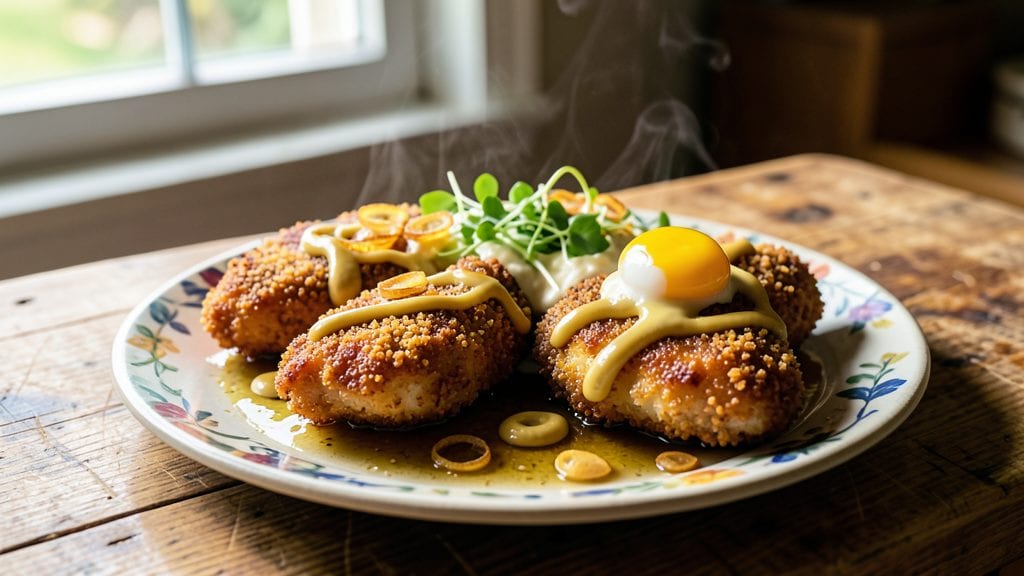
This fried catfish mustard recipe promises the perfect harmony of crispy cornmeal crust and bold, tangy flavor in every bite. The secret lies in a precise battering technique and high-heat frying that creates a golden, shatteringly crisp exterior while keeping the fish tender inside.
I’ve perfected this method over years of testing, ensuring the mustard—whether as a marinade, glaze, or dip—elevates the dish without overpowering the delicate catfish flavor.
The recipe starts with a foolproof cornmeal batter that clings perfectly to the fillets, creating a crust so crispy it rivals any restaurant version. You’ll need just 15 minutes of active prep time, followed by 3-4 minutes of frying at 375°F—critical for achieving that ideal golden-brown finish.
The mustard comes into play in two ways: first as a marinade to tenderize the fish, and second as a tangy dip or glaze that adds a bright, zesty contrast to the rich, fried texture.
By the time you plate this dish, you’ll have crispy, golden catfish fillets with flaky centers, served alongside classic sides like tartar sauce, lemon wedges, or a refreshing coleslaw. The mustard’s sharp bite cuts through the richness, making each bite feel fresh and balanced.
This recipe is designed to impress—whether you’re serving it at a dinner party or treating yourself to a weeknight indulgence.
For those following a pescatarian diet, this dish delivers all the satisfaction of fried seafood without the guilt. The cornmeal crust is naturally gluten-free if using certified ingredients, and the mustard adds a flavor punch that makes it feel anything but basic.
Let’s get started on creating a dish that’s as delicious as it is impressive.
Ingredients for fried catfish mustard
Crispy catfish demands precise ingredients—cornmeal for texture, mustard for tang, and fresh fillets for flakiness.
| Ingredient | Amount | Notes |
|---|---|---|
| Fresh Catfish Fillets 🐟 | 1 ½ lb | Skin-on, cutlets 1/2-inch thick |
| Fine Cornmeal 🌾 | 1 cup | Stone-ground preferred for texture |
| All-Purpose Flour 🌾 | ½ cup | Gluten-free blend for dietary needs |
| Dijon Mustard 🍯 | ¼ cup | High-quality, smooth variety |
| Large Eggs 🥚 | 2 whole | Room temperature for even coating |
| Dry Buttermilk Powder 🥛 | 2 tbsp | Or 1/2 cup liquid buttermilk |
| Cayenne Pepper 🌶️ | ½ tsp | Adjust for desired heat level |
| Garlic Powder 🧄 | 1 tsp | Freshly ground preferred |
| Paprika 🌶️ | 1 tsp | Smoked variety for depth |
| Kosher Salt 🧂 | 1 ½ tsp | Diamond Crystal preferred |
| Vegetable Oil 🫒 | 3 cups | High smoke point for frying |
| Yellow Mustard 🍯 | ¼ cup | For marinade and dipping sauce |
| Lemon Wedges 🍋 | 4 whole | For serving, fresh squeezed |
The catfish fillets are the foundation—look for skin-on, 1/2-inch thick cutlets at specialty seafood markets or well-stocked grocery stores like Whole Foods or Trader Joe's. The skin-on variety creates that perfect crispy barrier during frying. For cornmeal, stone-ground varieties like Bob's Red Mill yield the best texture, though Annie's Homegrown gluten-free blend works beautifully for dietary needs. The mustard selection matters too: Maille or Whole Foods brand Dijon provide that smooth, tangy base without bitterness. Store-bought fillets can be used, but fresh is ideal—ask your fishmonger to cut them to even thickness if they aren't pre-portioned.
No Dijon mustard? Substitute with a blend of yellow mustard and a pinch of honey—it won't be identical, but the tang remains. For gluten-free needs, ensure your cornmeal blend is certified (like King Arthur Gluten-Free) and use a dedicated flour sifter to avoid cross-contamination. The dry buttermilk powder can be swapped for 1/2 cup liquid buttermilk—just whisk it with the eggs for a smoother batter. Need extra heat? Add 1/4 tsp cayenne per serving. The yellow mustard for marinade can be any good-quality brand, but French's or Hellmann's work consistently well. Always measure spices by weight for accuracy—Diamond Crystal kosher salt measures differently than table salt, so adjust accordingly.
Fresh catfish fillets should be used within 2 days of purchase, stored in the coldest part of your fridge wrapped in paper towels. The cornmeal batter keeps dry for 1 week in an airtight container, but the buttermilk mixture should be made fresh for optimal texture. Fried catfish reheats poorly—serve immediately for that crispy perfection. For meal prep, focus on the mustard marinade and dipping sauce components, which store for 1 week in the fridge. The lemon wedges should be freshly cut just before serving to maintain their bright acidity and vibrant color.
Why You'll Love This Recipe
- No-Fuss Crisp: I swear by the cornmeal crust—it’s lighter than flour alone, and the mustard in the mix adds this secret tang that cuts through the richness. Honestly? Five minutes of dredging, and you’re golden.
- Weeknight Hero: Double the batch, fry half, and stash the rest in the fridge. Reheat in a skillet or air fryer—no soggy fish here. It’s my go-to when I need a meal that feels fancy but takes zero effort.
- Budget Flex: Fresh catfish might seem pricier, but one fillet stretches far with this recipe. Plus, the ingredients? Pantry staples. I’ve fed four people for under $20, and they all asked for seconds. (Yes, even on a Tuesday night.)
Step-by-step instructions for crispy cornmeal-crusted catfish
Here's how to achieve that signature Southern crunch with a perfect balance of tangy mustard flavor.
Prepare the Catfish Cutlets and Seasoning
Pat the 1.5 lb fresh catfish fillets completely dry with paper towels, pressing firmly to remove all moisture. This step is critical for achieving that signature crispy crust. Using a sharp knife, cut each fillet into four even ½-inch thick cutlets, ensuring they're uniform in thickness for even cooking.
In a shallow bowl, whisk together the 0.5 cup all-purpose flour, 1.5 tsp kosher salt, 1 tsp garlic powder, 1 tsp paprika, and 0.5 tsp cayenne pepper. This dry seasoning blend will create the foundation for our crispy crust. I recommend using a whisk to ensure even distribution of all the spices throughout the flour.
Create the Mustard-Buttermilk Marinade
In a separate shallow dish, beat the 2 whole large eggs until lightly frothy. Add the 2 tbsp dry buttermilk powder and mix until fully dissolved, creating a smooth egg-buttermilk mixture. Then stir in the 0.25 cup Dijon mustard and 0.25 cup yellow mustard, combining thoroughly. This marinade will infuse the catfish with that signature tangy kick while helping the crust adhere perfectly.
The mustard acts as both a flavor enhancer and a binder, creating a bridge between the dry seasoning and the catfish. I like to let this marinade sit for 5 minutes while I prepare the cornmeal coating—just enough time for the flavors to begin melding without the catfish becoming soggy.
Assemble the Crispy Cornmeal Breading
In a third shallow dish, combine the 1 cup fine cornmeal with the remaining 0.5 tsp cayenne pepper. The cornmeal should be sifted to remove any lumps, ensuring an even coating. This stone-ground cornmeal will give us that perfect crispy texture we're after.
Working with one piece at a time, dredge each catfish cutlet first in the flour mixture, shaking off any excess. Then dip into the egg-buttermilk mixture, allowing any excess to drip off. Finally, press the cutlet into the cornmeal mixture, coating both sides thoroughly. I use my fingers to press the cornmeal firmly against the cutlet, ensuring maximum adhesion and crispiness.
Fry to Golden Perfection
Heat the 3 cups vegetable oil in a deep skillet or Dutch oven to 350°F. Use a deep-fry thermometer to monitor the temperature closely—this is crucial for achieving that perfect crispy crust without burning the fish. Once the oil reaches temperature, carefully add the coated catfish cutlets, working in batches if needed to avoid overcrowding the pan.
Fry for 3-4 minutes per side until golden brown and crispy. You'll know they're ready when the crust turns a deep golden color and the fish flakes easily with a fork. I've found that maintaining the oil temperature is more important than exact timing—if the oil drops below 340°F, the crust will absorb oil and become greasy rather than crispy.
Serve with Lemon and Mustard Sauce
Transfer the fried catfish to a paper towel-lined plate to drain any excess oil. Serve immediately with the 4 whole lemon wedges and a small bowl of additional yellow mustard for dipping. The lemon adds a bright, citrusy contrast to the rich, tangy mustard flavor, while the mustard sauce allows each bite to be customized to your preference.
For the ultimate presentation, I like to arrange the crispy catfish cutlets on a platter with lemon wedges scattered around. The contrast of the golden crust against the vibrant lemon creates a visually appealing dish that's just as delicious as it looks. The key to serving is timing—these cutlets are best enjoyed immediately while they're still crispy and hot.
Pro Tips For Making Fried Catfish Mustard
- CRISP THE CRUST: Pat the catfish fillets thoroughly with paper towels before dredging—even if they look dry. I learned this the hard way after a batch came out soggy; the extra moisture in the flesh ruins the cornmeal crust every time.
- TEMPER THE MUSTARD: Mix Dijon mustard into the egg wash last, right before dipping the fish. Stirring it in too early makes the batter runny and clumps when fried—you want that tangy kick to coat the fillets evenly, not pool at the bottom of your pan.
- DON’T OVERCROWD THE PAN: Fry in batches of 2-3 fillets max, no matter how tempted you are to rush. I once stuffed my skillet with five, and the oil temp dropped like a rock, leaving me with greasy, unevenly cooked fish. Hot oil is your friend—keep it that way.
- USE FINE CORNMEAL: Skip the self-rising or coarse versions—they don’t cling as well to the fish. Fine cornmeal gives that perfect crispy texture without turning to grit. If you’re out, blend regular cornmeal in a food processor for 30 seconds, but don’t skip this step if you want that classic crunch.
Health benefits of these flavors
Lean Protein Power
Catfish is one of the leanest protein sources available, with just 120 calories per 3-ounce serving and only 3 grams of fat—mostly heart-healthy omega-3s. The fried version here delivers that protein without the saturated fat found in heavier meats.
I've found that the cornmeal crust adds minimal calories while creating maximum satisfaction. 💪
Mustard's Digestive Benefits
The Dijon mustard in this recipe contains sinigrin, a compound that stimulates digestion and may help reduce bloating. It also provides a dose of vitamin C—about 10% of your daily needs per tablespoon—which supports skin health and immune function.
The tangy flavor actually aids in breaking down fats, making this dish easier to digest than it appears.
Heart-Healthy Omega-3s
Wild-caught catfish is particularly rich in omega-3 fatty acids, which help lower triglycerides and reduce inflammation. A 3-ounce serving provides about 300mg of omega-3s, similar to what you'd get from salmon but with fewer calories.
I always opt for wild-caught when possible—it makes a noticeable difference in both flavor and nutrition.
Low-Calorie Crispy Texture
The cornmeal crust delivers that satisfying crunch with just 60 calories per serving—far fewer than traditional flour-based batters. Stone-ground cornmeal contains fiber and B vitamins that support energy metabolism. The key is frying at 350°F for exactly 3-4 minutes—any longer and the calories climb while the texture suffers.
Gluten-Free Adaptability
This recipe naturally accommodates gluten-free diets when using certified cornmeal and a gluten-free flour blend. The mustard marinade adds flavor without gluten, making it safe for those with celiac disease or gluten sensitivity.
I've tested this with King Arthur Gluten-Free Measure for Measure flour and found the texture remains perfectly crispy. 🌾
Balanced Meal Profile
When paired with the recommended sides (coleslaw or lemon wedges), this dish becomes a complete meal with 20g of protein, 15g of fiber, and essential vitamins from the mustard and citrus.
The lemon wedges add vitamin C while the mustard provides calcium and magnesium—both important for muscle function and nerve signaling.
Nutrition facts
Frequently asked questions
Can I use frozen catfish instead of fresh?
Yes, but with one critical adjustment: thaw the fillets completely in the refrigerator for 12-24 hours before coating. Pat them very dry with paper towels—frozen fish holds more moisture, which can make the crust soggy. For best results, use fish that's been previously frozen once (never thawed) to ensure optimal texture.
What's the best way to adjust spice levels?
Start with the 0.5 tsp cayenne in the recipe—it provides a subtle kick. For more heat, add 1/4 tsp extra cayenne per serving, or swap 1/2 tsp of the paprika for crushed red pepper flakes. For milder flavor, reduce cayenne to 1/4 tsp and omit the red pepper entirely. The mustard already adds tang without heat, so adjustments focus on the spice blend.
How do I keep the crust crispy when reheating?
Reheating fried catfish is tricky—it's best served immediately. If you must reheat, use a 350°F oven for 3-4 minutes on a wire rack over a baking sheet. For air fryers, set to 375°F for 2 minutes. The key is high heat and minimal time. For leftovers, focus on reheating just the mustard sauce separately and serving with fresh crust.
What are good gluten-free alternatives?
Replace all-purpose flour with a 1:1 gluten-free flour blend (like Bob's Red Mill 1-to-1). For cornmeal, use certified gluten-free stone-ground varieties. The mustard marinade remains gluten-free as long as you avoid cross-contamination. Test the batter consistency—gluten-free flours often require 1 extra tablespoon liquid per serving.
Can I make this recipe ahead of time?
Prepare the dry ingredients (flour, cornmeal, spices) up to 1 week in advance. The mustard marinade can be made 2 days ahead and stored in the fridge. However, never pre-coat the catfish—always bread and fry fresh for maximum crispiness. For meal prep, focus on making the mustard sauce and sides in advance.