
Main Courses
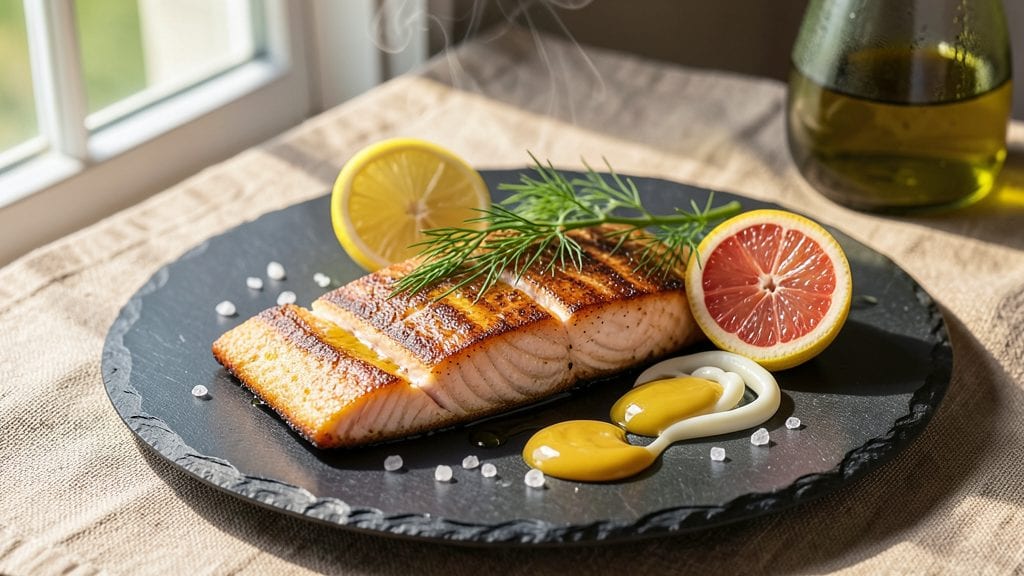
Mastering fried salmon belly transforms a simple weeknight dinner into a restaurant-worthy experience, where crispy skin meets melt-in-your-mouth richness in every bite. The secret lies in proper preparation—patting the skin bone-dry and seasoning it just right before frying—so it achieves that coveted golden crunch while staying tender inside.
I’ve perfected this technique over years of testing, and the results speak for themselves: a dish that’s elegant enough for guests but simple enough for weeknights.
This recipe delivers crispy skin without deep-frying, using just a single pan and a few key ingredients. The process is straightforward: start with skin-side down in a hot pan, let it render its own fat for crispiness, then finish with a quick flip to cook the flesh through.
The buttery richness comes from the salmon’s natural oils, enhanced by a light dusting of salt and a touch of lemon at the end. No special equipment or fancy techniques are needed—just patience and attention to temperature.
What you’ll end up with is a plate that looks and tastes like it belongs on a high-end menu: golden, shatteringly crispy skin that gives way to tender, buttery flesh underneath. The aroma alone—smoky, savory, with a hint of citrus—will have everyone at the table asking for seconds.
This dish pairs beautifully with simple sides like steamed greens, roasted potatoes, or a fresh salad to let the salmon shine.
Ready in just 15 minutes, this fried salmon belly recipe is perfect for impressing guests or treating yourself to a special meal without the fuss. The key is keeping the skin dry and the heat steady, so don’t rush the process.
Once you try it, you’ll never go back to store-bought or bland restaurant versions. Let’s get cooking—your taste buds will thank you.
Ingredients for fried salmon belly
Four key ingredients transform simple salmon belly into restaurant-quality crispy perfection.
| Ingredient | Amount | Notes |
|---|---|---|
| Salmon Belly 🐟 | 1 lb | Skin-on, center-cut preferred |
| Large Eggs 🥚 | 2 whole | Room temperature for even coating |
| All-Purpose Flour 🌾 | ½ cup | Fine texture for light coating |
| Kosher Salt 🧂 | 1 tbsp | Coarse grain for crispy crust |
| Fresh Lemon 🍋 | 1 whole | Juiced for finishing touch |
| Extra-Virgin Olive Oil 🫒 | ¼ cup | Lightly brushed on salmon |
| Garlic Cloves 🧄 | 2 cloves | Minced for flavor infusion |
| Fresh Parsley 🌿 | ¼ cup | Chopped for garnish |
| Ground White Pepper 🌶️ | ½ tsp | Freshly ground for subtle heat |
| Unsalted Butter 🧈 | 2 tbsp | For finishing richness |
The salmon belly is everything here—look for thick, skin-on cuts with good marbling. Whole Foods or high-end seafood counters carry the best, but don't overlook your local fishmonger. If you can't find it fresh, Wild Alaskan vacuum-packed works too (thaw overnight in the fridge). The skin should be intact and slightly glossy. Pat it bone-dry before cooking—this is non-negotiable for crispiness. I always ask for center-cut pieces; they're thicker and hold up better to frying. If you're unsure, ask the fish counter staff to point out the best cut—they'll know exactly what you need.
No egg wash? Heavy cream thinned with water works in a pinch, but eggs give that classic crispy texture. Short on flour? Cornstarch at half the amount creates an even crisper crust. The olive oil should be light and fruity—none of that strong, peppery stuff. If you're feeling fancy, toasted sesame oil in the butter at the end adds depth. The lemon? Meyer lemons if you can find them—they're sweeter and brighter. No fresh parsley? Dried parsley at one-third the amount works, but fresh is worth hunting down for garnish. And trust me on the white pepper—it's subtle but makes a difference.
This dish is best served immediately, but if you must prep ahead, keep the salmon uncovered in the fridge for up to 4 hours before cooking—it stays crispy longer that way. The cooked salmon reheats beautifully in a 350°F oven for 5-7 minutes, but it won't be as crispy. For leftovers, store in an airtight container with a paper towel pressed on top to absorb moisture. Keeps 2 days in the fridge. I always make extra—it disappears fast when guests are over.
Why You'll Love This Recipe
- Crispy in Minutes: I swear, the moment you hit that hot oil with the salmon belly, it’s done in 4-5 minutes—no waiting, no fuss. Just slice, dredge in flour and egg, and let the magic happen.
- Buttery-Rich Bite: That first golden crust gives way to melt-in-your-mouth richness—like a hug from the sea. Honestly, the fat in the belly makes it taste like a splurge, even though it’s just flour, eggs, and salt.
- Weeknight or Guest Night: Serve it with a squeeze of lemon as a quick dinner or plop it on a charcuterie board for fancy friends. Same recipe, two vibes—no extra work, just different settings.
- Leftovers? No Problem: The fried pieces reheat like a dream—toss them in a pan or air-fry for 30 seconds. (Yes, even on a Tuesday night.) And because it’s just a few ingredients, the cost stays low without sacrificing flavor.
Step-by-step instructions for crispy fried salmon belly
Here's how to achieve that perfect golden crust while keeping the inside tender and rich.
Prepare the Salmon for Maximum Crispiness
Pat the 1 lb salmon belly completely dry with paper towels—this is absolutely critical for crispy skin. I like to press firmly and flip several times to remove all moisture. The drier the skin, the better it will crisp. Using a sharp knife, make shallow cuts about ½-inch apart across the skin side only—this helps the skin render fat and crisp evenly.
Place the salmon skin-side down on a plate and season both sides generously with the 1 tbsp kosher salt. Let it sit at room temperature for 30 minutes while you prepare the coating. This resting time allows the salt to penetrate slightly and the skin to firm up, which prevents it from curling during frying.
Create the Light, Crispy Coating
In a shallow bowl, whisk together the 2 whole large eggs until just combined. In another shallow bowl, mix the 0.5 cup all-purpose flour with the 0.5 tsp ground white pepper. I've found this pepper adds a subtle, elegant heat that complements the salmon beautifully.
Dip each piece of salmon into the beaten eggs, letting any excess drip off, then press it gently into the flour mixture, coating both sides evenly. Tap off any excess flour—this ensures a light, crispy crust rather than a heavy, gummy one. Let the coated salmon rest for 10 minutes while you prepare the frying setup.
Fry to Golden Perfection
Heat the 0.25 cup extra-virgin olive oil in a large skillet over medium heat until it shimmers but doesn't smoke—around 350°F. You want enough heat to create a golden crust without cooking the inside too quickly. Carefully place the coated salmon skin-side down in the oil and fry for 3-4 minutes until the skin is deep golden brown and crispy.
Flip gently and cook for another 2-3 minutes until the flesh is just opaque in the center—it should still be slightly translucent when you cut into it. Remove the salmon to a paper towel-lined plate and let it rest for 5 minutes. This resting period is crucial for redistributing the juices and preventing the skin from becoming soggy.
Finish with Butter and Lemon
While the salmon rests, melt the 2 tbsp unsalted butter in the same skillet over low heat. Add the 2 minced garlic cloves and cook for 30 seconds until fragrant. Remove from heat and stir in the juice of the 1 whole fresh lemon.
Pour this fragrant butter mixture over the rested salmon and sprinkle with the 0.25 cup chopped fresh parsley. Serve immediately with the crispy skin facing up—this is where all the magic happens. The butter bastes the salmon, adding richness while the lemon brightens the flavors and the parsley adds freshness.
Pro Tips For Making Fried Salmon Belly
- Dry the Skin Thoroughly: Salmon belly skin is slicker than a greased pig—pat it completely dry with paper towels before frying, or your crust will slide off like a wet sock. I used to rush this, and half my batches ended up with soggy, uneven coating. Spend the 30 seconds, and your skin will crisp like it’s supposed to.
- Use Cold Water for Batter: Chill your egg-and-flour mix in the fridge for 10 minutes before dipping—this keeps the coating light and crispy instead of gummy. I learned this the hard way after making a batch that turned out like a sad, greasy pancake. Cold batter = better texture, every time.
- Salt the Skin First: Generously season the salmon belly before dredging in flour—this ensures the salt penetrates the flesh while the crust forms. Skip this, and you’ll end up with bland fish underneath that crispy facade. Kosher salt works best; don’t skimp.
- Fry in Small Batches: Overcrowding the pan drops the temperature like a rock in water, leading to greasy, uneven cooking. Fry 1-2 pieces at a time, and keep the oil at a steady 350°F—any lower, and you’ll regret it. Your future self will thank you for the patience.
Creative variations of this fried salmon belly
Japanese Crispy Skin
For a lighter, more delicate crisp, try the Japanese technique of karaage-style frying. After drying the salmon belly, score the skin in a diamond pattern with a sharp knife—this creates more surface area for crispiness.
Use a mix of ½ cup all-purpose flour and 2 tbsp potato starch for the coating, which gives an ultra-crispy texture.
Fry in neutral oil like vegetable or canola at 375°F for 2-3 minutes per side, then finish with a drizzle of soy sauce and a sprinkle of sesame seeds. The result is a crispy, almost papery skin with a subtle umami kick. 🌶️
Spicy Korean Gochujang
Add a fiery twist by marinating the salmon belly in a mixture of 1 tbsp gochujang, 1 tbsp honey, and 1 tsp sesame oil for 30 minutes before coating. Use a coating of ½ cup rice flour (for a lighter crust) and fry as directed.
After cooking, drizzle with a sauce made from 1 tbsp gochujang, 1 tsp rice vinegar, and 1 tsp toasted sesame oil. The sweet-spicy balance is addictive and pairs perfectly with steamed rice. 🔥
Lemon-Herb Crust
For a bright, herbaceous variation, mix ½ cup flour with 1 tbsp dried thyme, 1 tbsp dried oregano, and 1 tsp garlic powder for the coating.
After frying, finish with a mix of 2 tbsp melted butter, 1 tbsp lemon zest, and 1 tbsp chopped chives. The herbs add an earthy depth, while the lemon zest keeps the dish fresh and vibrant. This version is perfect for spring and summer dinners. 💛
Sweet and Smoky Maple
Combine ½ cup flour with 1 tbsp smoked paprika and 1 tsp onion powder for a warm, smoky crust. After frying, brush the salmon with a glaze made from 2 tbsp pure maple syrup, 1 tbsp Dijon mustard, and a pinch of cayenne pepper.
The sweetness caramelizes beautifully, creating a sticky, glossy finish. Serve with a side of roasted Brussels sprouts for a sweet-and-savory contrast. 🍁
Cajun Blackened Style
For a bold, smoky flavor, coat the salmon in a mix of ½ cup flour, 1 tbsp Cajun seasoning, and ½ tsp smoked paprika.
Fry until deeply browned, then finish with a sauce of 2 tbsp melted butter, 1 tsp Worcestershire sauce, and a pinch of filé powder. The blackened crust adds a charred depth, while the sauce ties everything together.
This version is a crowd-pleaser for those who love bold, spicy flavors. 🌶️
Nutrition facts
Frequently asked questions
Why does my fried salmon belly skin keep curling up?
This happens when the skin isn't properly dried or seasoned before frying. Pat it thoroughly with paper towels and let it rest 30 minutes after salting to firm up. Also, don't overcrowd the pan—cook one piece at a time for even heat distribution.
Can I use frozen salmon belly for this recipe?
Yes, but thaw it properly first. Place it in the fridge overnight, sealed in its packaging. Never thaw at room temperature—this causes uneven cooking. For extra crispiness, pat the skin completely dry after thawing to remove any surface moisture.
How do I know when the salmon is cooked through?
The flesh should turn opaque and flake easily with a fork, while the center remains slightly translucent. It takes about 2-3 minutes after flipping. For perfect doneness, cut into a small piece—it should reach 145°F internally. Overcooking makes the skin rubbery.
What's the best oil for frying salmon belly?
Use high-smoke-point oils like avocado oil or vegetable oil for stability. Olive oil works too, but it has a lower smoke point—keep heat at medium to prevent burning. Avoid butter or coconut oil, as they burn too quickly.
Can I make this ahead of time?
For best results, fry to order. If prepping ahead, coat the salmon and refrigerate uncovered for up to 4 hours—this keeps the skin crispy. Reheat in a 350°F oven for 5 minutes, but the skin won't be as crisp. Store cooked salmon in an airtight container with a paper towel to absorb moisture.