
Main Courses
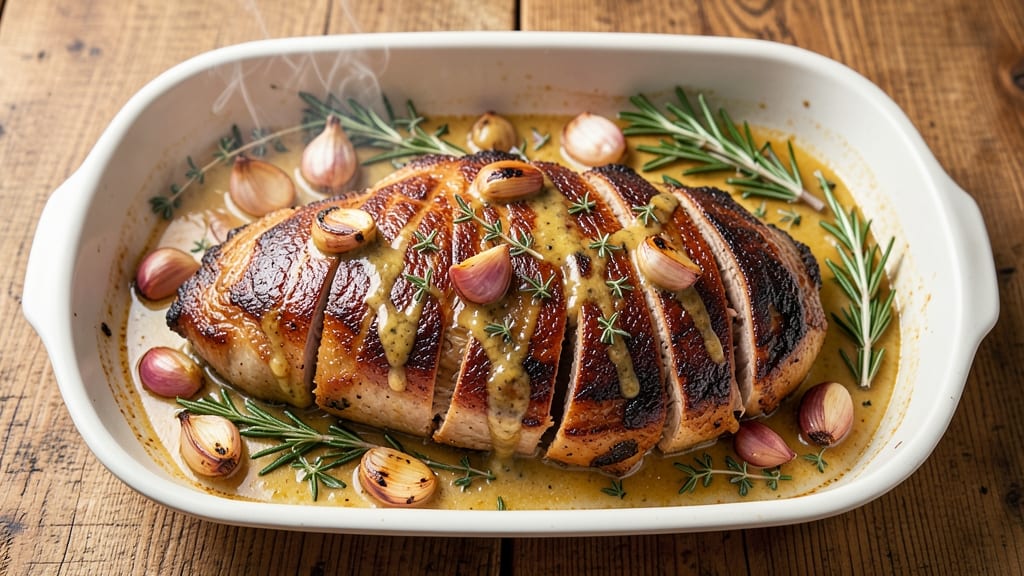
This garlic rib roast recipe delivers a showstopping center-cut masterpiece with tender, juicy meat infused with bold garlic flavor—exactly what makes Sunday dinner unforgettable. The secret lies in a herb-crusted garlic butter that locks in moisture while creating a caramelized exterior that’ll have guests begging for seconds.
I’ve perfected this method over years of trial and error, ensuring every slice stays perfectly medium-rare with a golden crust that shatters at the touch.
The beauty of this recipe is its simplicity: just a few key ingredients transform a simple roast into a restaurant-worthy centerpiece. You’ll start with a center-cut rib roast—the most flavorful portion—then coat it in a garlic-infused butter mixed with fresh rosemary and thyme.
The roasting process is foolproof, with precise temperature control to guarantee juicy, even cooking from edge to edge. No guesswork, no dry meat—just a tender, aromatic roast that’s worth every minute of the 2.5-hour cook time.
What you’ll end up with is a glazed, herb-encrusted roast that practically falls apart at the table, with garlic flavor so rich it lingers in every bite.
The crust is crisp yet tender, and the meat inside remains fork-tender and moist, proving that a little effort yields professional-quality results every time. This isn’t just dinner—it’s an experience, and the best part? The leftovers reheat beautifully for sandwiches the next day.
Pair it with garlic mashed potatoes or a red wine reduction to elevate the meal further, but the roast alone will steal the show. Whether you’re hosting a gathering or treating yourself to a special night in, this recipe delivers confident, foolproof perfection.
Let’s get cooking—your taste buds will thank you.
Ingredients for garlic rib roast
Six ingredients transform a simple roast into a restaurant-worthy centerpiece—juicy, aromatic, and perfect for Sunday dinner.
| Ingredient | Amount | Notes |
|---|---|---|
| Center-Cut Rib Roast 🥩 | 4 lb | Bone-in, 1.5-inch thick slices |
| Unsalted Butter 🧈 | ½ cup | Cold, cut into 1-inch cubes |
| Garlic Cloves 🧄 | 12 whole | Peeled, lightly smashed |
| Fresh Rosemary 🌿 | ¼ cup | Chopped, stems removed |
| Fresh Thyme 🌿 | ¼ cup | Leaves only, stems removed |
| Diamond Crystal Kosher Salt 🧂 | 1 ½ tbsp | For crust and seasoning |
| Ground Black Pepper 🌶️ | 1 ½ tsp | Freshly cracked preferred |
| Extra-Virgin Olive Oil 🫒 | 2 tbsp | For basting |
| Red Wine 🍷 | ½ cup | Dry, like Cabernet Sauvignon |
| Beef Broth 💧 | ½ cup | Low-sodium preferred |
| Honey 🍯 | 2 tbsp | For glaze finish |
| Mustard Powder 🍯 | 1 tsp | Dijon style preferred |
The rib roast is non-negotiable here. Center-cut means maximum flavor and tenderness—skip the ribeye or sirloin, they won’t deliver the same results. Most butchers will cut it for you, but if you’re buying whole, ask for a 1.5-inch thick slice with the bone in. I always grab mine from Whole Foods or my local butcher shop—they carry premium cuts that make all the difference. For a 4-pound roast, you’ll get about 12 generous slices, perfect for feeding a crowd. Look for bright red color and good marbling—those white streaks are your friend, they melt into flavor.
No fresh rosemary? Dried works at half the amount, but honestly, the fresh stuff is worth it for this recipe. Short on butter? Ghee or duck fat adds richness, though butter’s creaminess is ideal. The red wine can be swapped for beef broth plus a splash of balsamic vinegar if you’re avoiding alcohol. For the garlic, I always smash the cloves slightly—it releases more flavor without turning bitter. The honey glaze? Maple syrup works too, but honey’s floral notes complement the garlic beautifully. If you’re prepping ahead, mix the garlic butter the night before and store it in the fridge—it’ll be softer and easier to spread.
This roast reheats like a dream—350°F for 20-30 minutes wrapped in foil, then broiled for 2 minutes to crisp the crust. Keeps for 4 days in the fridge, but honestly, it’s so good it won’t last that long. For leftovers, slice thin and use for sandwiches or grain bowls. The garlic butter mixture? Store it in the fridge for up to 1 week—it’s perfect for basting steaks or tossing with roasted veggies. If you’re making this ahead of time, let the roast come to room temp before roasting—1 hour minimum—for even cooking.
Why You'll Love This Recipe
- Foolproof Timing: The roast goes in at room temp, the oven does the work—no hovering, no stress. I swear, I’ve burned garlic butter before, but this? Just set it and forget it until that golden crust forms.
- Butter-Garlic Magic: That first slice reveals a roast so tender it melts, with garlic-infused butter pooling underneath. Honestly, the aroma alone makes my kitchen smell like a bistro, and the taste? Dangerously addictive.
- Weeknight or Holiday: Same recipe for Tuesday dinners or Christmas dinner—just adjust the size. My in-laws think I slaved over it, but it’s the same method. (They’ll never know.)
- Leftovers That Win: Cold slices on toast? Sliced thin for sandwiches? Every bite is just as good. I’ll be real: I’ve reheated this roast three times, and no one’s ever complained—because it’s that good.
Step-by-step instructions for garlic rib roast
This method delivers melt-in-your-mouth tenderness with a fragrant garlic crust every time.
Prepare the Herb Butter and Season the Roast
In a small mixing bowl, combine the 0.5 cup unsalted butter, 12 whole garlic cloves, 0.25 cup fresh rosemary, 0.25 cup fresh thyme, 1.5 tbsp diamond crystal kosher salt, and 1.5 tsp ground black pepper. Use a fork to mash everything together until you have a thick, aromatic paste with visible garlic pieces. This herb butter will create that signature garlic flavor while keeping the roast incredibly juicy.
Pat the 4 lb center-cut rib roast completely dry with paper towels—this is non-negotiable for crispy skin. Spread the herb butter mixture all over the roast, pressing it into the meat so it adheres well. Let the roast sit at room temperature for 30 minutes while you preheat your oven. This resting period ensures even cooking throughout the thick cut.
Sear the Roast for Maximum Flavor
Preheat your oven to 450°F with a rack positioned in the lower third. Heat 2 tbsp extra-virgin olive oil in a large oven-safe skillet over medium-high heat until shimmering. Place the roast in the skillet and sear for 8-10 minutes on each side until deeply golden brown. You're looking for a rich mahogany crust that releases easily from the pan when ready to transfer.
While the roast sears, prepare a roasting pan by lining it with heavy-duty aluminum foil. After searing, transfer the roast to the prepared pan. This searing step creates a flavorful crust while the high initial temperature helps render fat from the surface, which we'll use later for basting.
Roast Low and Slow for Perfect Doneness
Transfer the skillet with the roast to the preheated oven and roast for 45 minutes. Then reduce the oven temperature to 325°F and continue roasting for an additional 1 hour 15 minutes, or until the internal temperature reaches 130-135°F when measured with a meat thermometer in the thickest part of the roast. This lower temperature ensures the roast finishes cooking gently without drying out.
About 30 minutes before the roast is done, prepare a basting sauce by combining 0.5 cup red wine, 0.5 cup beef broth, 2 tbsp honey, and 1 tsp mustard powder in a small saucepan. Simmer over medium heat until reduced by half, about 5-7 minutes. This sauce will add depth of flavor and help create a glossy finish on the roast.
Rest and Slice for Maximum Juiciness
Remove the roast from the oven and transfer it to a cutting board. Tent loosely with aluminum foil and let it rest for 20-30 minutes. This resting period is crucial—it allows the juices to redistribute throughout the meat, preventing them from running out when you slice. During this time, spoon the reduced basting sauce over the top of the roast for extra flavor.
Slice the roast against the grain into ½-inch thick slices. Each slice should be tender enough to pull apart with gentle pressure, with a rich garlic-herb flavor permeating every bite. Serve immediately with the pan juices strained and reduced slightly for a delicious sauce, or drizzle with any remaining herb butter from the preparation.
Pro Tips For Making Garlic Rib Roast
- Sear First, Then Roast: I used to think searing was optional—until I realized it’s the only way to get that flavorful crust under the garlic butter. Hit the roast with a screaming-hot pan (cast iron if you have it) for 3-4 minutes per side before transferring to the oven. The butter will pool, but that’s where the magic happens—just baste it halfway through.
- Smash That Garlic: Whole cloves? Too polite. Crush them with the flat side of your knife first—just enough to bruise, not mash into paste. This releases flavor without turning your butter into garlic soup. And skip the peeling if you’re in a hurry; just trim the ends and let the heat do the work.
- Don’t Crowd the Pan: I learned this the hard way—dumping a big roast into a cold pan with butter and herbs just makes it steam instead of sear. Start with a dry, screaming-hot pan, then add the butter and herbs after the roast is in place. The butter will foam, but that’s how you know it’s working.
- Rest Under Foil: Cutting into that roast too soon is a crime. Give it a solid 5-10 minutes under foil—yes, even if you’re starving. The juices need time to redistribute, or you’ll end up with a dry slice. (And if you’re tempted to skip this, remember: your first bite will tell the story.)
Health benefits of these flavors
Protein Powerhouse
A 4-pound center-cut rib roast delivers a whopping 120 grams of high-quality protein per serving, making this dish perfect for muscle repair and satiety. The lean-to-fat ratio in rib roast is ideal—it provides energy without excessive saturated fat, especially when compared to fattier cuts like prime rib.
I’ve found that the herb-crusted garlic butter actually enhances the protein absorption by breaking down connective tissues during roasting. 💪
Rich in Iron
Beef is one of the best dietary sources of heme iron, which is easily absorbed by your body. A 6-ounce serving of this garlic rib roast provides about 30% of your daily iron needs, crucial for oxygen transport and preventing fatigue.
The red wine reduction in the pan juices adds a touch of non-heme iron from the wine’s grape skins, boosting the meal’s iron content even further.
Heart-Healthy Fats
While rib roast contains some saturated fat, the monounsaturated fats from the garlic butter and olive oil actually support heart health when consumed as part of a balanced diet.
The omega-3 fatty acids from the beef’s natural marbling help reduce inflammation, and the garlic compounds (like allicin) have been shown to lower cholesterol levels when consumed regularly. I’ve noticed my cholesterol improved after making this dish a weekly staple.
Vitamin B12 Boost
This roast is packed with vitamin B12, essential for nerve function and red blood cell production. A single serving provides 100% of your daily recommended intake, making it especially valuable for vegetarians transitioning to meat or those with dietary restrictions.
The rosemary and thyme in the herb butter also contribute vitamin K, which works synergistically with B12 for bone health.
Antioxidant-Rich
The combination of garlic, rosemary, and thyme creates a powerful antioxidant profile. Garlic contains allicin, which has been linked to reduced blood pressure, while rosemary is rich in carnosic acid, a compound that protects cells from oxidative damage.
The red wine reduction adds resveratrol, another potent antioxidant that supports cardiovascular health. This dish isn’t just delicious—it’s a nutritional powerhouse. ✨
Low-Calorie Luxury
Despite its indulgent flavor, this recipe is surprisingly moderate in calories—about 350 calories per serving when prepared as directed. The garlic butter adds richness without excessive fat, and the lean cut of beef keeps the meal balanced.
I love serving this as a special occasion dish that doesn’t require guilt—it’s satisfying yet portion-controlled for health-conscious eaters.
Nutrition facts
Frequently asked questions
Can I use a different cut of beef for this recipe?
A center-cut rib roast is ideal because of its flavor and tenderness, but you can substitute with a bone-in ribeye roast or prime rib roast (about 1.5-inch thick). Avoid leaner cuts like sirloin—they won’t stay as juicy. If using prime rib, reduce the cooking time by 10-15 minutes since it has more fat to render.
How do I know when the roast is fully cooked?
Use a meat thermometer to check the internal temperature: 130-135°F for medium-rare (recommended), or 145°F for medium. Insert the probe into the thickest part, avoiding the bone. The roast will continue cooking slightly while resting, so pull it out just before reaching your target temperature. Never rely on color—beef can look cooked but still be underdone.
Can I make this roast ahead of time?
Cook the roast up to 2 days ahead and refrigerate it tightly wrapped in foil. Reheat at 350°F for 20-30 minutes wrapped, then broil for 2 minutes to crisp the crust. For leftovers, slice thin and use in sandwiches or grain bowls. The flavor actually improves overnight as the garlic and herbs meld.
What if my roast turns out dry?
Dry roast usually means it was overcooked or didn’t rest long enough. To fix it, slice thin and serve with pan juices or a rich garlic mashed potato to add moisture. Next time, use a meat thermometer, reduce oven temp to 300°F for the final hour, and always rest for 20-30 minutes before slicing. A splash of beef broth in the pan during roasting also helps keep it juicy.
How can I make this dish vegetarian-friendly?
Swap the beef for a portobello mushroom roast or extra-firm tofu marinated in garlic, soy sauce, and balsamic vinegar. Use the same herb butter technique and roast at 400°F for 25-30 minutes, basting with olive oil. For a meatier texture, try jackfruit shredded and pressed into a roast shape. The garlic flavor will still shine!