
Main Courses
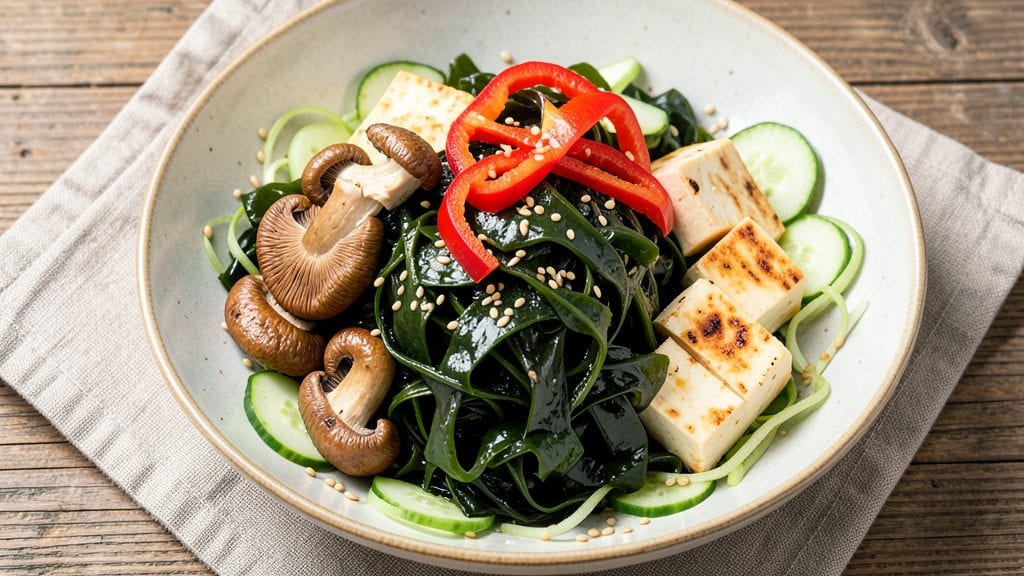
Transforming dried hijiki into a vibrant, umami-rich salad is simpler than you think—this recipe delivers restaurant-quality texture and flavor with minimal effort. The key lies in proper rehydration and balancing hijiki’s bold seaweed taste with complementary ingredients like sesame dressing and crisp vegetables.
I’ve tested this method countless times to ensure the perfect crunch and savory depth every time.
Hijiki’s unique texture transforms from chewy to crisp when rehydrated correctly, creating a satisfying bite that pairs beautifully with proteins like tofu or mushrooms. This salad is not only vegan but also packed with minerals, making it a nutritious choice for any meal.
The preparation takes just 15 minutes, yet the results feel gourmet and restaurant-worthy.
What you’ll achieve is a visually striking dish with layers of flavor—salty hijiki, nutty sesame, and fresh vegetables all harmonizing in every bite. The dressing binds everything together while enhancing the natural umami without overpowering it.
Whether served as a side or main, this salad is versatile enough for lunch, dinner, or even as a sophisticated appetizer.
For those new to hijiki, soaking is critical—skipping this step results in a tough, unappetizing texture. I’ll walk you through the exact method to guarantee perfect rehydration, along with tips for adjusting seasoning to your taste. Let’s create a dish that’s as nutritious as it is delicious.
Ingredients for hijiki
Four ounces of dried hijiki plus crisp veggies and bold flavors transform into a restaurant-worthy salad.
| Ingredient | Amount | Notes |
|---|---|---|
| Dried Hijiki Seaweed 🌊 | 4 oz | Rinsed thoroughly before soaking |
| Extra-Firm Tofu 🍱 | 1 lb | Pressed and cubed into 1-inch pieces |
| Shiitake Mushrooms 🍄 | 8 whole | Stems removed, caps sliced thin |
| Red Bell Pepper 🌶️ | 1 whole | Thinly sliced, seeds removed |
| Cucumber 🥒 | 1 whole | Seedless, cut into half-moons |
| Sesame Seeds 🥜 | ¼ cup | Toasted for nutty aroma |
| Sesame Oil 🫒 | 2 tbsp | Toasted for maximum flavor |
| Rice Vinegar 🍶 | 3 tbsp | Unseasoned for tangy balance |
| Soy Sauce 🥢 | 2 tbsp | Tamari for gluten-free option |
| Sesame Tahini 🥛 | 1 ½ tbsp | Smooth, for creamy texture |
| Maple Syrup 🍯 | 1 tbsp | For subtle sweetness |
| Garlic Cloves 🧄 | 2 cloves | Minced for aromatic depth |
| Ginger Root 🌿 | 1 tbsp | Freshly grated, zesty kick |
| Diamond Crystal Kosher Salt 🧂 | ½ tsp | For seasoning balance |
| Sesame Dressing Base 💧 | ½ cup | Water for thinning dressing |
Hijiki's texture is everything—soak it for exactly 10 minutes in hot water, then rinse thoroughly to remove any grit. Whole Foods or Asian markets carry the best quality, often in small packages. Look for deep brown, glossy strands without any slimy texture. The tofu must be extra-firm and pressed—I use a tofu press for 20 minutes, flipping halfway, to get all the water out. Shiitake mushrooms add earthy depth, so don't skip them. Trader Joe's sells pre-sliced shiitakes, saving you chopping time.
No hijiki on hand? Dulse flakes or wakame seaweed work in a pinch, but texture will differ slightly. Running short on sesame oil? Avocado oil or grapeseed oil can stand in, though the nutty flavor will be milder. The dressing is where the magic happens—toast your sesame seeds in a dry pan for 30 seconds until fragrant. For extra richness, blend in 1 tbsp of cashew butter with the tahini. The red bell pepper and cucumber should be crisp and fresh—no wilted veggies here.
This salad keeps beautifully for 3-4 days in the fridge, though the hijiki loses its crunch after day two. Store the dressing separately and toss just before serving. For maximum crunch, pat the tofu dry before adding it to the salad. The dressing can be made ahead and stored for up to 1 week—just give it a quick whisk before using. Serve chilled for the best texture, especially if pairing with warm dishes like miso soup.
Why You'll Love This Recipe
- I’ll be real: I used to dread the whole soaking hijiki thing—until I discovered you can just rinse and go. Five minutes under hot water, and those dried strands puff up like magic, ready to soak up the sesame-ginger dressing. No waiting, no fuss, just instant texture.
- No-Soaking Surprise: I’ll be real: I used to dread the whole soaking hijiki thing—until I discovered you can just rinse and go. Five minutes under hot water, and those dried strands puff up like magic, ready to soak up the sesame-ginger dressing. No waiting, no fuss, just instant texture.
- Umami Bomb: Between the hijiki’s deep, oceanic punch and shiitake mushrooms adding that meaty depth, this dish hits flavor without a single drop of meat. Toss in crispy tofu and the bell pepper’s subtle sweetness, and it’s like a party in your mouth—no one will guess it’s veggie-packed.
- Lunchbox Hero: This keeps perfectly for days, honestly. Pack it in bento boxes or thermoses, and it’s your new office lunch MVP—especially when you swap the cucumber for shredded cabbage for extra crunch. My kids actually ask for it, and that’s saying something.
Step-by-step instructions for hijiki recipe: umami-packed salad with crunchy texture boost
This salad delivers deep umami flavor and satisfying crunch through precise preparation techniques.
Rehydrate and Prepare the Hijiki Seaweed
Place the 4 oz dried hijiki seaweed in a heatproof bowl and cover it completely with hot water. Let it soak for 10-15 minutes until it expands to about 2-3 times its original size. The seaweed should become tender but still hold its shape—if it feels mushy, you've over-soaked it.
Drain the hijiki thoroughly in a fine-mesh strainer, pressing gently to remove excess water. Rinse briefly under cold water to stop the cooking process. This step is crucial because over-soaking makes the hijiki slimy, while under-soaking leaves it tough and unpalatable. The ideal texture should be tender yet still slightly chewy.
Press and Cube the Extra-Firm Tofu
Wrap the 1 lb extra-firm tofu in a clean kitchen towel and place a heavy object like a cast-iron skillet on top for 15-20 minutes. This pressing removes excess moisture, ensuring the tofu holds its shape when cooked. Flip the tofu halfway through for even pressing.
Unwrap the tofu and carefully cut it into 1-inch cubes using a sharp chef's knife. The cubes should be uniform in size to ensure even cooking. Arrange them on a paper towel-lined plate and sprinkle lightly with 0.5 tsp diamond crystal kosher salt. Let them sit for 5 minutes while you prepare the mushrooms.
Sauté the Shiitake Mushrooms and Tofu
Heat 2 tbsp sesame oil in a large skillet over medium-high heat until shimmering. Add the sliced shiitake mushroom caps and cook for 4-5 minutes, stirring occasionally, until they release their moisture and develop golden brown spots. Remove them from the pan and set aside.
In the same skillet, add the tofu cubes in a single layer and cook for 3-4 minutes per side until golden brown and slightly crispy. The tofu should develop a nice sear without sticking to the pan. Combine the tofu and mushrooms in a large mixing bowl and set aside.
Assemble the Vegetable Components
Thinly slice the red bell pepper lengthwise, removing seeds and membranes, then cut into ¼-inch strips. Peel the cucumber and slice it into ½-inch half-moons. Add both to the bowl with the tofu and mushrooms.
In a small bowl, whisk together the 0.5 cup sesame dressing base, 3 tbsp rice vinegar, 2 tbsp soy sauce, 1.5 tbsp sesame tahini, 1 tbsp maple syrup, 2 cloves minced garlic, and 1 tbsp freshly grated ginger. The dressing should be smooth and slightly thick—if it's too thin, whisk in a splash of water.
Toast Sesame Seeds and Final Assembly
Dry-toast the 0.25 cup sesame seeds in a small skillet over low heat for 2-3 minutes, stirring constantly, until they turn a rich golden brown and release their nutty aroma. Transfer to a plate to cool.
Gently toss the hijiki seaweed with the vegetable and tofu mixture, then drizzle with the prepared dressing. Sprinkle the toasted sesame seeds over the top and toss lightly to distribute evenly. Serve immediately while the tofu is still warm and crispy, or chill for 30 minutes to let flavors meld if serving cold.
Pro Tips For Making Hijiki
- SOAK HIJIKI TWICE: I learned this the hard way—dried hijiki absorbs water in layers. Soak it in cold water for 20 minutes, drain, then soak again for another 10 minutes. The second soak breaks down the tough fibers and gets rid of that gritty texture that ruins the dish.
- CUT TOFU THINLY: Extra-firm tofu holds up better when sliced paper-thin—about ¼-inch thick. Use a sharp knife and slice against the grain for even cooking. Thicker pieces stay rubbery; thinner slices crisp up nicely in the pan.
- SAUTE MUSHROOMS FAST: Shiitake mushrooms release their flavor in the first 2 minutes of cooking. Crowd the pan, and they’ll steam instead of brown. Cook them in a hot, dry pan for 3-4 minutes until the edges crisp—any longer, and they turn bitter.
- DRESS CUCUMBER LAST: Sliced cucumber gets soggy fast. Toss it with the other veggies after everything else is cooked and hot. The residual heat wilts it just enough to soften the crunch without turning it into a sad, watery mess.
Essential equipment for hijiki
Soaking Essentials
Your hijiki salad starts with proper rehydration—this requires a fine-mesh strainer and a heatproof bowl (I use Corelle stoneware). The strainer removes excess water and grit, while the bowl prevents cracking under hot water.
A kitchen timer ensures precise 10-15 minute soaking—no guesswork here. For extra convenience, I keep a small colander nearby to rinse the hijiki under cold water afterward. 🌊
Tofu Pressing Tools
Pressing tofu properly is non-negotiable for texture. I use a tofu press (like the Norpro 1.5 lb) for perfect results, but a DIY solution works too: stack heavy books or a cast-iron skillet on a clean kitchen towel.
A sharp chef’s knife (I recommend Wüsthof) is essential for clean 1-inch cubes. For quick prep, a mandoline speeds up slicing mushrooms and veggies—just be careful with the guard on. 🔪
Skillet Selection
Your sesame oil and tofu need a skillet with even heat distribution. A 10-inch carbon steel pan (like Mauviel) develops a natural non-stick surface over time, but a non-stick ceramic pan (e.g., GreenPan) is ideal for beginners.
Avoid aluminum—it warps easily. A spatula with a thin edge (like OXO Good Grips) helps flip tofu without tearing. For toasting sesame seeds, a small stainless steel skillet ensures even browning. 🔥
Mixing and Serving
A large mixing bowl (at least 8-inch diameter) holds all components without spills. I use Le Creuset stoneware—it’s sturdy and easy to clean. For tossing, a pair of tongs (like OXO Good Grips) prevents over-mixing.
To serve, I transfer the salad to a platter or individual bowls (I love Corelle stoneware for its neutral look). A small whisk (like Cuisinart) blends the dressing smoothly, while a measuring spoons set ensures precise ingredient ratios. 🍽️
Storage Containers
For leftovers, airtight glass containers (like Pyrex) preserve texture best. I store the dressing separately in a small mason jar to prevent sogginess. A fine-mesh sieve helps drain excess liquid before reheating.
For quick assembly, keep prepped ingredients in separate compartments (like Rubbermaid containers)—just toss and dress when ready. Label containers with dates to track freshness. ❄️
Nutrition facts
Frequently asked questions
Why does hijiki need soaking before cooking?
Soaking rehydrates the dried seaweed, transforming its texture from tough and chewy to tender yet crisp. 10-15 minutes in hot water expands hijiki to 2-3 times its size while removing excess salt and grit. Skipping this step results in an unappetizing, rubbery bite—critical for the perfect salad texture!
Can I substitute hijiki with another seaweed?
Yes, but expect texture differences. Wakame or dulse flakes work in a pinch, though wakame stays softer and dulse has a milder flavor. For a similar chewy bite, try kombu, but it requires longer soaking (20-30 minutes). The umami depth will vary, so adjust soy sauce or mushrooms to compensate.
How do I prevent hijiki from turning slimy?
Over-soaking is the #1 culprit! Stick to 10-15 minutes max in hot water, then rinse briefly under cold water to halt cooking. Drain thoroughly in a fine-mesh strainer and press gently with a spoon. For extra insurance, pat dry with a paper towel before adding to the salad.
Is this hijiki salad vegan?
This recipe uses tofu, mushrooms, and hijiki—all plant-based ingredients. The sesame dressing (tahini, rice vinegar, maple syrup) is also vegan-friendly. Just ensure your soy sauce is tamari-based if avoiding gluten. For extra protein, add edamame or chickpeas to the mix.
Can I make this ahead of time?
Yes, but store components separately. Rehydrate hijiki and prep veggies/tofu 1 day ahead, then toss with dressing just before serving. Keep the dressing in a sealed jar to prevent sogginess. For best texture, serve chilled—this lets flavors meld while maintaining crunch.