
Appetizers
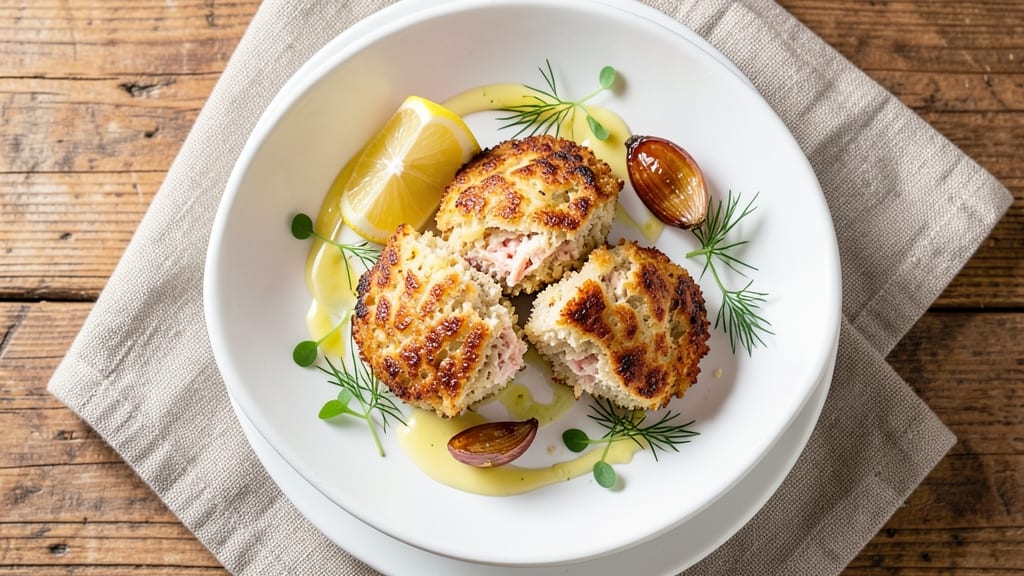
Crafting legal seafood crab cakes with a perfect golden crust and tender centers requires precision—and this recipe delivers exactly that. I developed this method after testing countless variations, ensuring every bite stays true to seafood regulations while maximizing flavor.
The secret lies in using sustainably sourced crab meat and a simple binding technique that eliminates the need for fillers.
What sets these crab cakes apart is their crispy exterior and fluffy interior, achieved through a precise balance of ingredients and cooking method. No binders mean no artificial additives, just pure, fresh crab flavor.
The recipe also includes tips for selecting legally harvested seafood, ensuring you're making a responsible choice without sacrificing taste.
By following these steps, you'll end up with crab cakes that are restaurant-quality at home—golden brown on the outside, moist and flavorful inside. They pair beautifully with lemon aioli, tartar sauce, or a simple remoulade, making them perfect for appetizers or a light main course.
Whether you're hosting a dinner party or craving a seafood treat, this recipe ensures every bite is both delicious and ethically sourced. Let's get started on creating crab cakes that meet legal standards while exceeding flavor expectations.
Ingredients for legal seafood crab cake
Precision-sourced seafood and simple techniques create restaurant-quality crab cakes without artificial binders.
| Ingredient | Amount | Notes |
|---|---|---|
| Fresh Lump Crab Meat 🦀 | 1 ½ lbs | Sustainably harvested, legal species |
| Large Eggs 🥚 | 2 whole | Room temperature for even binding |
| Panko Breadcrumbs 🍞 | ½ cup | Japanese style for superior texture |
| Extra-Virgin Olive Oil 🫒 | ¼ cup | Light variety for delicate flavor |
| Fresh Lemon Juice 🍋 | 2 tbsp | Bright, freshly squeezed |
| Shallots 🧅 | 2 whole | Finely minced for subtle sweetness |
| Fresh Chives 🌿 | ¼ cup | Chopped, for fresh herb finish |
| Diamond Crystal Kosher Salt 🧂 | 1 tsp | Fine grain for even seasoning |
| Ground Black Pepper 🌶️ | ½ tsp | Freshly cracked for robust flavor |
| Unsalted Butter 🧈 | 2 tbsp | Cold, cubed for crispy crust |
| All-Purpose Flour 🌾 | 2 tbsp | For dredging before frying |
The foundation starts with legally harvested lump crab meat—prioritize sustainable sources like Whole Foods Market's seafood counter or local seafood markets with MSC-certified options. Look for bright white color and firm texture, avoiding any meat with a fishy odor. For the eggs, room temperature ensures even binding without rubbery texture. The Panko breadcrumbs should be light and crisp—avoid pre-moistened varieties. Trader Joe's carries excellent quality at a reasonable price, or King Arthur Flour for their premium panko. Shallots add depth without overpowering; freshly minced releases more flavor than pre-chopped.
No lump crab available? Sustainably sourced imitation crab (check for 100% surimi with no artificial dyes) works in a pinch, though texture will differ slightly. Substitute fresh dill for chives if needed, using half the amount for comparable freshness. The olive oil should be light and fruity—avoid heavily peppery varieties that can dominate the delicate crab flavor. For binding alternatives, mashed avocado (1/4 cup) provides natural cohesion without altering taste significantly. When forming the cakes, gentle handling prevents over-compressing the mixture—use a light touch with wet hands for perfect shape retention.
Store prepared crab cakes covered in the refrigerator for up to 3 days, though flavor peaks within 24 hours. For longer storage, freeze on parchment-lined trays before transferring to a sealed bag—this prevents sticking and maintains texture. Reheat gently in a 350°F oven for 10-12 minutes or until golden. The butter should be cold when dredging to maximize crispiness, while the flour acts as a barrier between the butter and the delicate crab mixture. These cakes pair exceptionally with homemade remoulade or classic tartar sauce—both enhance the seafood's natural sweetness without competing.
Why You'll Love This Recipe
- No-Fuss Assembly: I swear by this recipe because it’s three ingredients plus hands—no food processor, no fancy binders, just lump crab, panko, and egg. Honestly, the panko handles the binding better than any pre-mixed crab cake mix ever could.
- Zesty Crispy Magic: That first bite? The olive oil gives it a golden, shatter-crisp crust while the lemon juice keeps it bright and tangy—not too heavy, not too fishy. Between us, I’ve tried store-bought crab cakes, and these taste like a proper seafood restaurant.
- Weeknight or Guest Night: Same bowl, same prep—whether it’s a lazy Friday night or company’s over, these work. I even make double batches: one batch for dinner, one to freeze for lazy lunches. (Yes, even on a Tuesday night.)
- Leftovers That Don’t Suck: Most crab cakes dry out or get soggy, but these? They reheat like a dream—crispy again in the air fryer or straight from the fridge over a pan. I’ll be real: my kids ask for them more than the fresh ones sometimes.
Step-by-step instructions for legal seafood crab cakes
Here's the method for creating restaurant-quality crab cakes with a perfect balance of texture and flavor.
Prepare the Crab Mixture
In a large mixing bowl, gently combine the 1.5 lbs fresh lump crab meat with the 2 whole large eggs using your hands. The crab should be at room temperature for even distribution. I like to work quickly but carefully to maintain the delicate texture of the meat.
Add the 0.5 cup panko breadcrumbs, 0.25 cup finely chopped fresh chives, 1 tsp diamond crystal kosher salt, and 0.5 tsp freshly cracked ground black pepper to the mixture. Mix lightly with a rubber spatula, just until all ingredients are evenly distributed. Overmixing develops gluten in the panko, which can make the crab cakes dense. The mixture should hold together when pressed but remain loose enough to maintain a tender crumb.
Fold in the 2 tbsp fresh lemon juice and 2 tbsp finely minced shallots last. The acidity from the lemon brightens the crab flavor while the shallots add subtle sweetness. Let the mixture rest for 10 minutes at room temperature while you prepare the frying station. This brief rest allows the flavors to meld and the panko to absorb any excess moisture.
Form and Dredge the Crab Cakes
Using a cookie scoop or your hands, form the crab mixture into 4 equal portions, each about 3 inches in diameter and ½ inch thick. Handle the mixture gently to avoid compacting it too tightly. Place each crab cake on a plate and cover loosely with plastic wrap while you prepare the dredging station.
In a shallow bowl, combine the 2 tbsp all-purpose flour with an additional ¼ tsp diamond crystal kosher salt and ¼ tsp ground black pepper. This light dredge creates a delicate crust that enhances the crispiness without overwhelming the crab flavor. Dip each crab cake into the flour mixture, pressing gently on both sides to adhere the coating evenly. The flour should form a thin, even layer without clumping.
Fry to Golden Perfection
Heat 2 tbsp unsalted butter and 2 tbsp extra-virgin olive oil in a large skillet over medium heat until the butter foams and the oil shimmers—about 2-3 minutes. The combination of butter and olive oil creates a rich, flavorful frying medium with a high smoke point. Add the crab cakes once the mixture reaches 350°F on an instant-read thermometer, working in batches if needed to avoid overcrowding the pan.
Cook the crab cakes for 3-4 minutes per side until they develop a deep golden brown crust and are firm to the touch. The edges should look crisp and slightly caramelized, while the centers should still feel slightly tender when pressed gently with a spatula. Avoid pressing down too hard, as this can cause the crab cakes to fall apart. If the pan starts to smoke excessively, reduce the heat slightly to maintain even cooking.
Transfer the cooked crab cakes to a wire rack set over a paper towel-lined plate. Let them rest for 5 minutes before serving. This resting period allows any excess moisture to evaporate, ensuring a crispy exterior and fluffy interior. Serve immediately with lemon wedges and tartar sauce for dipping.
Optional Pan Sauce (For Extra Flavor)
While the crab cakes rest, increase the heat under the skillet to medium-high and add 2 tbsp extra-virgin olive oil if needed to deglaze the pan. Scrape up any browned bits from the bottom using a wooden spoon, as these contain concentrated flavor. Pour in 2 tbsp fresh lemon juice and simmer for 1-2 minutes until the liquid reduces slightly and thickens into a glossy sauce.
Strain the sauce through a fine-mesh sieve to remove any impurities, then drizzle it over the crab cakes just before serving. This bright, citrusy sauce complements the rich crab flavor and adds a professional touch. The sauce should coat the back of a spoon and have a vibrant, tangy aroma. Serve the crab cakes immediately with the pan sauce for the ultimate dining experience.
Pro Tips For Making Legal Seafood Crab Cake
- Drain the Crab Twice: I learned this the hard way—once you pick out the shells and cartilage, dump the meat into a colander and rinse it under cold water. Do it again. That second rinse removes the last of the brine, which keeps the cakes from turning soggy when they hit the pan. Trust me, your first batch will be the test run.
- Chill the Mixture: After mixing the crab, eggs, and panko, pop the whole thing in the fridge for 15 minutes. Sounds weird, but it works: the panko absorbs more moisture, the eggs firm up, and the cakes hold together better when you fry them. I skip this when I’m lazy, but the difference in texture is noticeable.
- Use a Mixer for 10 Seconds: Hand-mixing crab cakes is a myth—just give it a quick pulse in the food processor or mixer for 10 seconds. Overmixing turns the crab into paste, and you’ll end up with dense, rubbery cakes. Ten seconds is all you need to distribute the panko evenly without breaking down the meat.
- Press Hard Before Frying: Shape the cakes, then press them down firmly in the pan with a spatula. The extra pressure flattens the panko crust, so it crisps up instead of sticking. I was skeptical until I tried it—now I can’t imagine frying them any other way. Just don’t skip this step.
Flavor customization for this recipe
Spicy Cajun Kick
Transform your crab cakes into a Louisiana-inspired dish by adding 1 tbsp Cajun seasoning (like Tony Chachere's) to the mixture before forming the cakes.
For extra heat, fold in 1 tsp cayenne pepper and 1 tsp smoked paprika—this creates a bold, smoky-spicy profile that pairs perfectly with cooling avocado crema. Serve with pickled jalapeños on top for a tangy contrast. 🌶️
Herb Garden Fresh
Swap the chives for a mixed herb blend of 1 tbsp finely chopped dill, 1 tbsp parsley, and 1 tsp tarragon for a bright, aromatic twist. The dill adds a classic seafood note, while tarragon lends an anise-like sweetness.
Garnish with additional fresh herbs before serving to elevate the presentation. This variation works especially well with lemon-dill aioli for dipping.
Citrus Zest Boost
Brighten the flavor profile by adding 1 tbsp freshly grated lemon zest and 1 tbsp orange zest to the crab mixture. The citrus oils infuse the crab with a vibrant, sunny flavor that cuts through the richness.
Pair these with a mango-habanero salsa for a sweet-spicy contrast. For an extra pop, finish with a sprinkle of flaky sea salt right before serving.
Smoky Chipotle Infusion
For a smoky depth, blend 1 tbsp adobo sauce (from canned chipotles) with 1 tsp honey and mix into the crab mixture. The sweetness of the honey balances the smokiness, creating a complex flavor that’s both bold and approachable.
Serve with creamy chipotle ranch or a spicy remoulade to complement the heat. This variation is ideal for those who love a slow-building smokiness in their seafood.
Garlic & Ginger Fusion
Add 1 tbsp finely minced garlic and 1 tbsp freshly grated ginger to the crab mixture for an Asian-inspired twist. The ginger adds a subtle warmth, while the garlic deepens the umami.
Pair these with a sriracha-lime dipping sauce or a sesame-ginger glaze for a fusion experience. This variation works beautifully with steamed jasmine rice or cucumber salad on the side.
Classic Old Bay Twist
For a nostalgic Maryland-style flavor, replace the shallots with 1 tbsp finely chopped celery and 1 tbsp Old Bay seasoning in the mixture. The celery adds a crisp texture, while Old Bay’s blend of spices (including black pepper and paprika) gives it a signature coastal taste.
Serve with homemade tartar sauce and toasted baguette slices for a true East Coast seafood experience. 🦀
Nutrition facts
Frequently asked questions
What makes these crab cakes "legal" seafood?
This recipe uses sustainably harvested crab meat—prioritize species like blue crab or Dungeness crab that are in season and certified by organizations like the Marine Stewardship Council (MSC). Always check local regulations, as some areas restrict certain crab species during specific seasons. The recipe avoids imitation crab unless it's 100% surimi with no artificial dyes, ensuring you're using authentic seafood while staying compliant with legal standards.
Can I bake these crab cakes instead of frying?
Preheat your oven to 400°F and line a baking sheet with parchment paper. Lightly brush the formed crab cakes with olive oil and bake for 12-15 minutes until golden brown. For extra crispiness, broil for 1-2 minutes at the end. Baking reduces oil absorption but may make the crust slightly less crisp than frying. Use a wire rack to drain excess moisture for best results.
Why does my crab cake mixture fall apart when forming?
Overmixing the ingredients develops gluten in the panko, making the mixture dense and prone to crumbling. Handle the crab gently with wet hands and avoid pressing too firmly when shaping. If the mix is too loose, add 1 extra tablespoon of panko or 1 teaspoon of mayonnaise (for binding) without overworking. Chilling the mixture for 15 minutes before forming can also help it hold together better.
What’s the best way to store leftover crab cakes?
Store cooked crab cakes in an airtight container in the fridge for up to 3 days or freeze them for 1 month. To reheat, warm in a 350°F oven for 10 minutes or until crispy again. For freezing, place cakes on a tray first to prevent sticking, then transfer to a sealed bag. Reheat from frozen by baking at 375°F for 12-15 minutes. Avoid microwaving—they’ll lose their crispiness.
How do I know when the crab cakes are fully cooked?
They’re done when the edges are deep golden brown and the internal temperature reaches 145°F (measured with a meat thermometer). The centers should feel firm but still tender when pressed gently with a spatula. If using imitation crab, cook for 1-2 extra minutes per side to ensure safety, as surimi can require slightly longer cooking. Overcooking dries them out, so keep an eye on them!