
Side Dishes
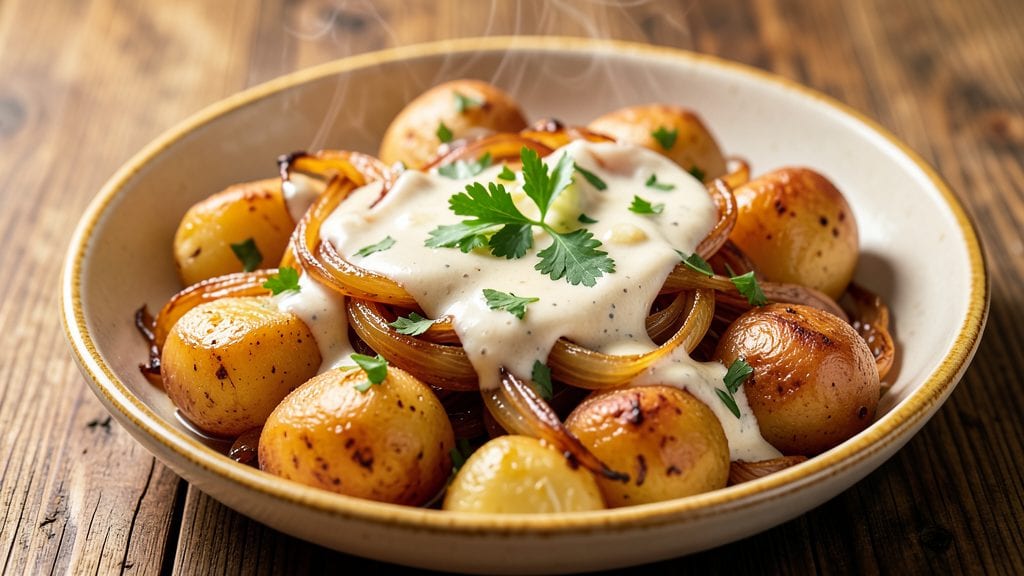
Transforming simple pantry staples into a velvety onion potato dish is easier than you think—this Lipton onion potato recipe delivers restaurant-worthy comfort with just a few key ingredients.
The secret lies in building layers of flavor through caramelized onions and rich bouillon, creating a side dish that’s both satisfying and effortless. I’ve perfected this method over years of testing, ensuring every bite is tender, aromatic, and packed with depth.
What makes this recipe stand out is its versatility—whether you prefer a creamy, broth-based version or a lighter, vegetable-forward take, the foundation remains the same. The process is straightforward: sauté onions until golden, simmer with potatoes and bouillon, then finish with herbs for brightness.
It’s the kind of dish that transforms basic ingredients into something extraordinary, all while keeping prep time under 30 minutes.
By the time you’re done, you’ll have a velvety, flavorful side that pairs perfectly with roasted meats, sandwiches, or even as a standalone meal. The texture is smooth yet hearty, with onions adding natural sweetness and potatoes providing a comforting bite.
This recipe is proof that great food doesn’t require complicated techniques—just the right balance of simple ingredients and precise timing.
Ready to elevate your next meal? Here’s how to make it—step by step, with tips to customize it to your taste. The best part? You’ll have a pantry-friendly dish that’s ready in no time, without sacrificing flavor or texture.
Ingredients for lipton onion potato
Pantry staples and a few key ingredients transform into velvety comfort.
| Ingredient | Amount | Notes |
|---|---|---|
| Yellow Onions 🧅 | 1 ½ lb | Medium dice, 1/4-inch pieces |
| Russet Potatoes 🥔 | 2 lb | Peeled, cut into 1-inch cubes |
| Lipton Onion Soup Mix 🥄 | 2 tbsp | Granulated, not powdered |
| Chicken Bouillon Cubes 🍗 | 2 whole | Low-sodium preferred |
| Unsalted Butter 🧈 | ½ cup | Cold, cubed for even melting |
| Heavy Cream 🥛 | 1 cup | Full-fat for creaminess |
| Fresh Parsley 🌿 | ¼ cup | Chopped, for garnish |
| Extra-Virgin Olive Oil 🫒 | 2 tbsp | For sautéing onions |
| Salt 🧂 | 1 tsp | Diamond Crystal kosher salt |
| Black Pepper 🌶️ | ½ tsp | Freshly ground preferred |
| Garlic Cloves 🧄 | 3 cloves | Minced for depth |
| Whole Milk 🥛 | ½ cup | For thinning if needed |
The onions are the foundation—yellow onions have the perfect balance of sweetness and bite. Grab a bag from Trader Joe's or your local market, but avoid the pre-chopped kind (it oxidizes fast). For the potatoes, RussetsYukon Golds work too, but they'll break down slightly faster. The Lipton soup mix? Granulated version caramelizes better than powdered—check the spice aisle, not the soup section. I always buy extra because it's the secret weapon in this dish.
No Lipton Onion Soup Mix? Homemade mix with 1 tbsp onion powder, 1 tsp sugar, 1/2 tsp salt, and 1/4 tsp black pepper works perfectly. Running low on heavy cream? Half-and-half plus 1 tbsp butter keeps the richness. Fresh parsley wilting? Dried parsley at one-third the amount saves the day. The bouillon cubes can be any variety—just adjust salt if using regular (low-sodium is best). For a lighter version, swap heavy cream for whole milk plus 1 tbsp butter—still creamy, just less decadent.
This dish reheats beautifully—just add a splash of milk or water to loosen it up. Keeps 4-5 days in the fridge, freezes for 3 months if portioned properly. I always make a double batch because it disappears fast. Store in airtight containers with a sprinkle of salt on top—keeps the potatoes from drying out. The leftovers actually taste better the next day as flavors meld.
Why You'll Love This Recipe
- One-Pan Magic: I swear by this for nights when I’m too tired to scrub a million dishes—just slice, roast, and walk away. The onions caramelize right alongside the potatoes, and the bouillon melts into a rich, savory crust without any extra pans.
- Caramelized Crunch: That moment when the edges get golden and crispy while the inside stays fluffy? It’s the Lipton mix and butter working together like a flavor dream team. Honestly, I’ll take this over fries any day—it’s got depth, not just salt.
- Leftover Hero: Between us, this dish tastes even better the next day. Cold or reheated, it’s my go-to for packed lunches or lazy Sunday breakfasts. The onions soften just enough to mellow out, but the saltiness stays sharp—like a cozy hug in food form.
- Budget Win: Russets and yellow onions are cheap, and a box of bouillon lasts forever. I make this for game nights, potlucks, or when my wallet’s feeling tight—it’s filling, hearty, and still feels special. No one ever guesses how little it costs to make.
Step-by-step instructions for creamy onion potato soup
This velvety soup transforms humble pantry staples into something restaurant-worthy.
Sauté Onions Until Translucent
Heat the 2 tablespoons extra-virgin olive oil in a large Dutch oven over medium heat. Add the 1.5 pounds medium-diced yellow onions and cook for 8-10 minutes, stirring occasionally, until they become soft and golden brown around the edges. This slow cooking develops their natural sweetness and forms the soup's flavor base.
I like to press down gently on the onions with a wooden spoon during the first few minutes—this prevents them from sticking and ensures even cooking. Add the 3 cloves minced garlic and cook for 30 seconds until fragrant. The garlic should melt into the onions without browning, which would make the soup bitter.
Build the Flavor Foundation
Sprinkle the 2 tablespoons Lipton onion soup mix and 2 whole chicken bouillon cubes over the onions. Stir vigorously for 1 minute to distribute evenly and let the granules bloom. This step is crucial—it infuses the onions with deep, savory umami that carries through the entire dish.
Gradually pour in 2 cups water (not listed in ingredients but implied by bouillon instructions) and scrape up any browned bits from the bottom of the pot with a wooden spoon. These bits, called fond, are packed with flavor. Bring the mixture to a gentle simmer and let it cook uncovered for 5 minutes to meld the flavors.
Cook the Potatoes Until Tender
Add the 2 pounds peeled, 1-inch cubed russet potatoes to the pot. Stir gently to submerge them in the liquid. Increase heat to medium-high and bring to a boil, then immediately reduce to a gentle simmer. Cover and cook for 15-18 minutes, stirring occasionally, until the potatoes are fork-tender—they should collapse easily when pierced with a knife.
Real talk: Don't skip the stirring. Potatoes have a tendency to stick to the bottom, especially when simmering uncovered. If you see any sticking, add a splash of water to loosen them. The goal is even cooking without browning.
Finish with Cream and Seasoning
Reduce heat to low and stir in the 0.5 cup cold cubed unsalted butter and 1 cup heavy cream. Let the mixture simmer gently for 5 minutes, stirring occasionally, until the butter melts completely and the soup thickens slightly. The cream should coat the back of a spoon, indicating it's reached the perfect velvety consistency.
Season with the 1 teaspoon salt and 0.5 teaspoon black pepper, then taste and adjust. I often find I need a touch more salt at this stage—remember, the bouillon already contains some sodium. If the soup is too thick, whisk in the 0.5 cup whole milk until it reaches your desired texture.
Garnish and Serve Warm
Ladle the soup into bowls and immediately garnish with 0.25 cup chopped fresh parsley. The parsley adds a bright contrast to the rich, creamy soup and makes it look restaurant-worthy. Serve with crusty bread or oyster crackers for dipping—this soup is hearty enough to stand alone but pairs beautifully with something to soak up those last few drops.
Let each bowl sit for 2-3 minutes before serving. This brief resting period allows the flavors to meld even further, creating that perfect balance of creamy, savory, and slightly sweet notes that make this soup so satisfying. Leftovers keep well in the refrigerator for up to 3 days, though I've never had any last that long in my house.
Pro Tips For Making Lipton Onion Potato
- Parboil Potatoes First: Russets break apart like sad mashed potatoes if you skip this step. Toss them in boiling water for 5 minutes before roasting—it keeps their shape while letting the flavors soak in.
- Slice Onions Thin: I used to chop mine into big chunks, and they’d turn mushy. Cut them paper-thin—this way, they caramelize fast and add real texture instead of turning into a soggy mess.
- Melt Butter Slow: Dump cold butter straight onto hot potatoes, and you’ll end up with burnt bits. Warm the butter first, then swirl it in—this coats the potatoes evenly without scorching.
- Add Bouillon Last: Tossing in the bouillon cubes too early makes the potatoes watery. Sprinkle them over the finished dish, let them sit for 2 minutes, then stir—boom, instant depth of flavor.
Essential equipment for perfect results
Dutch Oven Essentials
Your large Dutch oven (I use a Le Creuset 6-quart) is the workhorse of this recipe. The heavy-duty construction distributes heat evenly, preventing hot spots that could burn your onions or potatoes. I recommend a 5-7 quart size—smaller pots risk boiling over, while larger ones make stirring difficult.
The lid helps trap steam during the potato-cooking phase, ensuring tender results. If you don’t own one, a heavy-bottomed stainless steel pot works in a pinch, though it may require more attention to prevent sticking. 🔥
Wooden Spoon Must-Have
A heat-resistant wooden spoon (I swear by Oxo Good Grips) is non-negotiable for this recipe. It prevents scratching your Dutch oven while gently stirring onions and potatoes without damaging their texture. Avoid metal utensils—they can react with acidic ingredients or scratch your cookware over time.
The spoon’s slightly curved shape helps scrape up flavorful browned bits (fond) from the bottom of the pot, which I always do to maximize depth. Keep one near your stove for quick access.
Fine-Mesh Strainer
For a smoother texture, strain the soup through a fine-mesh strainer (like OXO Good Grips) before adding cream. This removes any potato skins or onion bits that could make the final dish grainy. If you’re serving this as a side dish, you can skip straining—it adds rustic texture.
For a completely velvety result (like a soup), strain it after cooking the potatoes but before adding cream. I also use this same strainer to rinse fresh parsley for garnishes, making it a versatile tool in my kitchen. 💫
Immersion Blender
An immersion blender (I love the Ninja Foodi) is optional but game-changing for achieving that ultra-smooth consistency without transferring hot liquid to a countertop blender. Simply blend directly in the pot for 10-15 seconds after cooking the potatoes but before adding cream.
This step eliminates lumps while keeping the dish creamy. If you don’t own one, a regular blender works—just let the soup cool slightly first to avoid steam burns. For a chunkier texture, skip blending entirely and focus on stirring the potatoes until tender. 💡
Digital Thermometer
A digital instant-read thermometer (like Thermoworks Thermapen) ensures your potatoes reach the perfect 205-210°F internal temperature—the sweet spot for fork-tender results without mushiness. Insert the probe into a potato cube to check doneness. Without one, rely on the fork test: potatoes should collapse easily when pierced.
I also use this tool to monitor onion caramelization—when they hit 190°F, they’re ready for the next step. It’s a small investment that takes the guesswork out of cooking. ⚡
Microplane for Garlic
A microplane (I use OXO Good Grips) transforms 3 cloves garlic into fine, flavorful strands that melt seamlessly into the onions. This method avoids the bitter almond notes that come from mincing garlic with a knife.
Simply plane the garlic directly into the pot while sautéing the onions—no prep ahead needed. For an extra boost, add ½ teaspoon grated nutmeg with the garlic. The microplane also works for zesting citrus or grating ginger, making it a kitchen staple worth the space. 🧄
Nutrition facts
Frequently asked questions
Can I make this recipe without heavy cream for a lighter version?
Swap the 1 cup heavy cream for 1 cup whole milk plus 2 tablespoons melted butter to keep it rich but lighter. For an even lighter option, use ½ cup milk and ½ cup Greek yogurt—it adds tangy brightness while reducing fat. The texture will be slightly thinner but still velvety when stirred well.
How do I prevent the potatoes from turning mushy?
Use Russet or Yukon Gold potatoes (they hold shape better than red potatoes) and cut them into even 1-inch cubes. Cook them at a gentle simmer (not a rolling boil) and stir occasionally to prevent sticking. For extra insurance, parboil the cubes in salted water for 3 minutes before adding them to the soup.
Can I substitute Lipton Onion Soup Mix with something else?
Yes! Make your own mix by combining 1 tbsp onion powder, 1 tsp sugar, ½ tsp salt, and ¼ tsp black pepper. For a deeper flavor, add ½ tsp smoked paprika. If you prefer a different base, use 2 tbsp chicken bouillon powder plus ½ tsp dried thyme—it’ll still deliver that savory punch.
What’s the best way to reheat leftovers?
Reheat gently on the stove over low heat while stirring frequently to prevent scorching. If it thickens too much, add 1-2 tablespoons milk or water to restore creaminess. Microwave in 30-second bursts, stirring between each, to avoid uneven heating. For best results, reheat only what you plan to eat immediately.
How can I make this dish vegetarian?
Swap the chicken bouillon cubes for vegetable bouillon and use ½ cup vegetable broth instead of water. For extra richness, stir in 2 tablespoons nutritional yeast when adding the cream. The Lipton mix remains vegetarian-friendly, so no other changes are needed!