
Main Courses
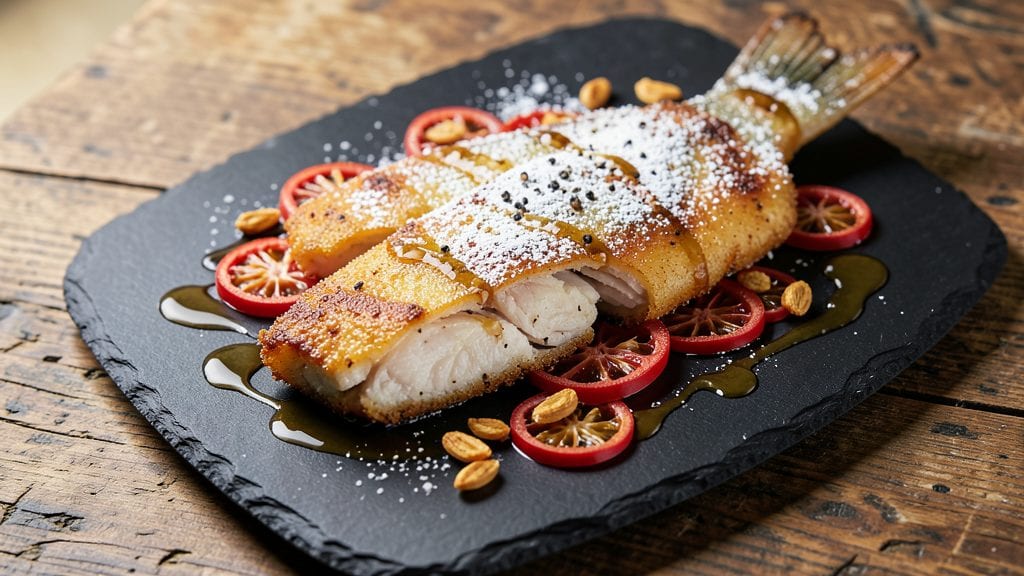
This milkfish recipe delivers the perfect balance of crispy golden skin and tender white flesh, elevated by a bright citrusy garlic pan sauce that transforms a simple fish into a restaurant-worthy centerpiece.
I spent weeks perfecting this technique after discovering how Filipino bangus transforms from ordinary to extraordinary with the right cooking method—deep-frying for that coveted crunch, then finishing with a zesty pan sauce that cuts through the richness.
The secret lies in the double-frying process, which ensures every bite stays crispy while the inside remains flaky.
The recipe begins with a simple marinade of soy sauce, calamansi (or lime), and garlic, which infuses the fish with bright, aromatic flavors. After the first fry, the milkfish develops a delicate golden crust, while the second fry locks in that satisfying crunch.
The citrusy garlic pan sauce, made with just a few pantry staples, adds a tangy finish that makes this dish feel special without requiring fancy ingredients. This method works equally well for weeknight dinners or Sunday family meals, proving that professional-quality results are always within reach.
What you’ll end up with is a plate of crispy-fried milkfish that shatters at the edges yet stays tender inside, topped with a vibrant sauce that glistens under the light. The aroma alone—garlicky, citrusy, with a hint of smokiness—will have everyone gathered around the table.
The dish pairs beautifully with steamed rice, a simple green salad, or roasted vegetables, making it versatile enough for any meal. Once you try this, you’ll never settle for anything less than homemade again.
For those who love regional variations, this recipe draws inspiration from Filipino bangus but adapts easily to other Southeast Asian styles by adjusting the marinade or sauce. The key is precision—timing the fries just right and balancing the sauce’s acidity with sweetness.
Trust me, the first time you serve this dish, you’ll understand why it’s a staple in so many home kitchens. Let’s get cooking!
Ingredients for milkfish
Crispy, golden milkfish with a zesty pan sauce—just eight ingredients, big flavor.
| Ingredient | Amount | Notes |
|---|---|---|
| Fresh Milkfish Fillets 🐟 | 1 ½ lb | Skin-on, boneless, cut into 4 pieces |
| All-Purpose Flour 🌾 | 1 cup | For dredging, sifted |
| Cornstarch 🌽 | ¼ cup | For extra crispiness |
| Vegetable Oil 🫒 | 3 cups | For deep-frying, high smoke point |
| Soy Sauce 🍶 | ½ cup | Light or all-purpose |
| Calamansi Juice 🍋 | ¼ cup | Or lime juice substitute |
| Garlic Cloves 🧄 | 6 cloves | Minced, fresh preferred |
| Fresh Ginger 🌿 | 1 tbsp | Grated, finely |
| White Sugar 🍚 | 1 tbsp | Granulated, for sauce balance |
| Vegetable Oil 🫒 | 2 tbsp | For pan sauce, neutral flavor |
| Salt 🧂 | 1 tsp | Kosher or sea salt |
| Black Pepper 🌶️ | ½ tsp | Freshly ground |
| Green Onions 🧅 | 2 whole | Sliced, for garnish |
The milkfish is the star, so look for fresh fillets with intact skin—that’s where the crispiness comes from. Most Asian markets carry it fresh, but if you’re at a regular grocery store, Costco or Whole Foods often have it pre-cut. The skin should be shiny and firm, not slimy or discolored. If you can’t find milkfish, snapper or sea bass work in a pinch, but they won’t have that same delicate texture. For the marinade, calamansi is ideal—it’s the Filipino citrus secret—but lime juice does the job if you’re outside the Philippines. Just make sure it’s fresh, not bottled.
No calamansi? Lime juice plus a pinch of salt mimics the tang. Running short on garlic? Garlic powder at half the amount works, but fresh is worth the extra minute. The cornstarch is key for that restaurant-style crunch—don’t skip it. For the sauce, white sugar balances the acidity, but honey or brown sugar add depth. And if you’re frying, use a deep pot and keep oil at 350°F—any hotter and the skin burns before the inside cooks. The double-fry is non-negotiable: first fry to set the skin, second fry to crisp it up again.
This dish reheats surprisingly well—just 5 minutes in a 300°F oven with a splash of water to keep it moist. Store leftovers in an airtight container for 2 days max—the crispiness fades after that. For meal prep, fry the fish ahead and store it uncovered in the fridge (so it stays crispy), then reheat and toss in the sauce when ready. The sauce keeps for 3 days in the fridge, so make extra for stir-fries or noodles—it’s that good.
Why You'll Love This Recipe
- No-Fuss Crispy Magic: I swear by the flour-cornstarch combo here—the milkfish gets that perfect crunch without frying it into a greasy mess. Just dredge, dip, and fry—no fancy techniques, no second-guessing.
- Soy-Kissed Umami Bomb: That simple soy sauce marinade? It’s the secret weapon. The fillets soak up just enough saltiness to balance the crispy exterior, leaving you with bites that taste like they simmered for hours (but didn’t).
- Lunchbox Hero: Between us, this is my go-to for packed lunches. The crispy coating stays intact even after reheating—just toss a few in a container with rice, and you’ve got a meal that’ll make your coworkers jealous.
- Budget Meal Stretch: Fresh milkfish is often cheaper than other white fish, and this recipe lets you stretch it further. Double the batch, freeze half, and you’ve got a week’s worth of easy dinners—no takeout guilt, just crispy satisfaction.
Step-by-step instructions for crispy-fried milkfish with citrusy garlic pan sauce
Here's how to get that perfect golden crust and tangy, aromatic sauce every time.
Prepare the Milkfish for Frying
Pat the 1.5 lb fresh milkfish fillets dry with paper towels—this is non-negotiable for crispy skin. You want them completely moisture-free so the flour and cornstarch adhere properly. Place the fillets on a plate and season both sides generously with 1 teaspoon salt and 0.5 teaspoon black pepper.
In a shallow bowl, combine the 1 cup all-purpose flour and 0.25 cup cornstarch. This mix gives you both structure and that extra crunch. Dredge each fillet in the flour mixture, pressing gently to make sure it sticks to every surface. Let the coated fillets rest for 10 minutes while you heat the oil—this helps the coating set up better.
Deep-Fry Until Golden Brown
Fill a deep pot with 3 cups vegetable oil and heat it over medium heat until it reaches 350°F—this is where the magic happens. You'll know it's ready when a small piece of bread dropped in browns immediately. Carefully add the coated fillets to the oil, working in batches if needed so you don't overcrowd the pot.
Fry for 4-5 minutes per side until they turn a deep golden brown color. The skin should be crispy while the flesh remains tender inside. If you see the oil smoking excessively, reduce the heat slightly—you want crispy, not burnt. Transfer the fried fillets to a paper towel-lined plate to drain excess oil and keep warm.
Make the Citrusy Garlic Pan Sauce
In the same pot you used for frying (don't wash it—those flavorful bits are gold), reduce the heat to medium-low and add 2 tablespoons vegetable oil. Toss in the 6 cloves minced garlic and 1 tablespoon grated fresh ginger, cooking for 1-2 minutes until fragrant but not browned. Add 0.5 cup soy sauce and 0.25 cup calamansi juice, stirring constantly.
Let the sauce simmer for 3-4 minutes until it thickens slightly. Stir in the 1 tablespoon white sugar and let it cook for another minute. The sauce should coat the back of a spoon and have a glossy appearance. If it's too thick, add 1-2 tablespoons water to reach your desired consistency.
Finish and Serve
Return the fried milkfish fillets to the sauce and let them sit for 1-2 minutes to absorb all that delicious flavor. The sauce should cling to the crispy exterior while keeping the inside tender. Transfer the fillets to a serving platter and garnish with sliced 2 whole green onions for freshness.
Serve immediately while the fillets are still crispy and the sauce is warm. The contrast of the crispy exterior with the tender fish and tangy-sweet sauce is what makes this dish so special. Pair it with steamed rice to soak up every last drop of that citrusy garlic goodness.
Pro Tips For Making Milkfish
- PAT THE FILLETS DRY: Milkfish stays soggy if you skip this—towel it off thoroughly after cutting, especially near the bones. I used to rush this and end up with a greasy, uneven crust. Take the 30 seconds, or regret the crunch later.
- DOUBLE-DREDGE FAST: Skip the cornstarch first—flour alone gives enough adhesion. Mix 1 part cornstarch into your second flour dip (like 1 tbsp per cup) for a lighter crust without extra steps. Works every time, and cuts prep by half.
- FRIED IN BATCHES: Crowd the pan, and the oil temp drops like a rock. Fry 2-3 fillets at a time max—even if it means two rounds. Undercooked edges or greasy fish? That’s your answer.
- SOY SAUCE LAST: Add soy sauce after frying, not before. The heat caramelizes it into the crust, giving that deep umami punch. Drizzle it over the hot oil or toss the fish in it post-fry—either way, timing matters.
Troubleshooting this dish
Oil Too Hot?
If your oil starts smoking excessively or the fish turns brown too quickly, your oil is too hot. Lower the heat immediately and let it cool slightly before continuing. I’ve learned this the hard way—once, I rushed and ended up with charred skin instead of crispy.
The ideal temperature is 350°F, and a deep-fry thermometer (like the Thermoworks Smoke) is worth every penny for precision. If you don’t have one, test with a small piece of bread: it should brown in 30 seconds. 🌡️
Skin Not Crispy?
Dry the fillets thoroughly before dredging—this is the #1 reason for soggy skin. Pat them with paper towels until they’re completely dry, even if it takes 5 minutes. Also, don’t skip the 10-minute rest after coating; this helps the flour adhere better.
For extra crunch, add 1 tablespoon cornstarch to your flour mix. And here’s a pro tip: double-fry the fish—first at 325°F for 3 minutes, then again at 375°F for 1 minute to lock in crispiness.
Sauce Too Thin?
The sauce should coat the back of a spoon when done. If it’s too thin, simmer it uncovered for another 2-3 minutes—the alcohol from the calamansi/lime will evaporate, thickening it naturally. For extra body, add 1 teaspoon cornstarch mixed with 1 tablespoon water and stir until glossy.
Avoid over-simmering, or the garlic will turn bitter. I’ve found that using fresh calamansi (or freshly squeezed lime) gives the best balance of tang and sweetness.
Fish Overcooking?
Milkfish cooks quickly, so keep a close eye on it. The flesh is done when it flakes easily with a fork—usually 4-5 minutes per side at 350°F. If it’s overcooking, reduce the oil temperature to 325°F and fry for 2-3 minutes per side instead.
For extra insurance, use a meat thermometer—the internal temp should reach 145°F. Overcooked fish turns rubbery, and trust me, you don’t want that. 🍳
Marinade Not Sticking?
If your marinade isn’t penetrating the fish, it’s likely because the fillets are too thick or the marinade isn’t acidic enough. For best results, score the skin lightly with a knife (not too deep!) to help the marinade seep in.
Also, make sure your soy sauce and calamansi/lime juice are fresh—old marinades lose their punch. For extra flavor, add 1 teaspoon fish sauce to the marinade. And always marinate for at least 30 minutes—I usually do it overnight for deeper flavor.
Leftovers Losing Crisp?
Fried fish loses its crunch fast, but you can revive it! Reheat in a 375°F oven for 5-7 minutes on a wire rack (not a plate) to prevent sogginess. For the sauce, reheat it separately and toss the fish in it just before serving.
If storing, keep the fried fish uncovered in the fridge—this helps maintain crispiness for 1-2 days. Pro tip: Fry only what you’ll eat in 24 hours to avoid the sad, limp fish fate.
Nutrition facts
Frequently asked questions
What's the best substitute for fresh milkfish?
If you can't find fresh milkfish, snapper or sea bass work well as substitutes. For texture, choose fillets with skin—it's essential for that crispy finish. Avoid firm white fish like cod, as they won't have the same delicate flakiness. When substituting, reduce cooking time by 30 seconds per side since these fish cook slightly faster.
How do I know when the oil is ready for frying?
Test the oil by dropping a small piece of bread in—it should brown in 30 seconds at 350°F. If it sizzles immediately and turns golden, your oil is perfect. Never exceed 375°F or the skin will burn before the inside cooks. A deep-fry thermometer is worth the investment for consistent results every time.
Can I make this recipe without deep-frying?
For a lighter version, pan-fry the coated fillets in 2 tbsp oil over medium-high heat for 3-4 minutes per side until golden. To maintain crispiness, add 1 extra tbsp cornstarch to the flour mix. The sauce will still work perfectly—just reduce the oil in the pan by half to keep it balanced.
Why does the sauce sometimes separate?
Sauce separation happens when the sauce cools too quickly or contains too much acid. To fix it, gently reheat the sauce over low heat while stirring constantly. For prevention, add 1 tsp cornstarch mixed with 1 tbsp water at the end of cooking. Also, ensure your calamansi/lime juice is freshly squeezed—bottled juice has preservatives that can cause separation.
What are the best sides for this dish?
This crispy milkfish pairs perfectly with steamed jasmine rice to soak up the sauce. For a complete meal, add a simple green mango salad (cucumber, carrot, and lime dressing) or garlic sautéed greens. The acidity from the salad balances the richness of the fried fish beautifully. For extra flavor, serve with pickled red onions or spicy chili sauce on the side.