
Desserts
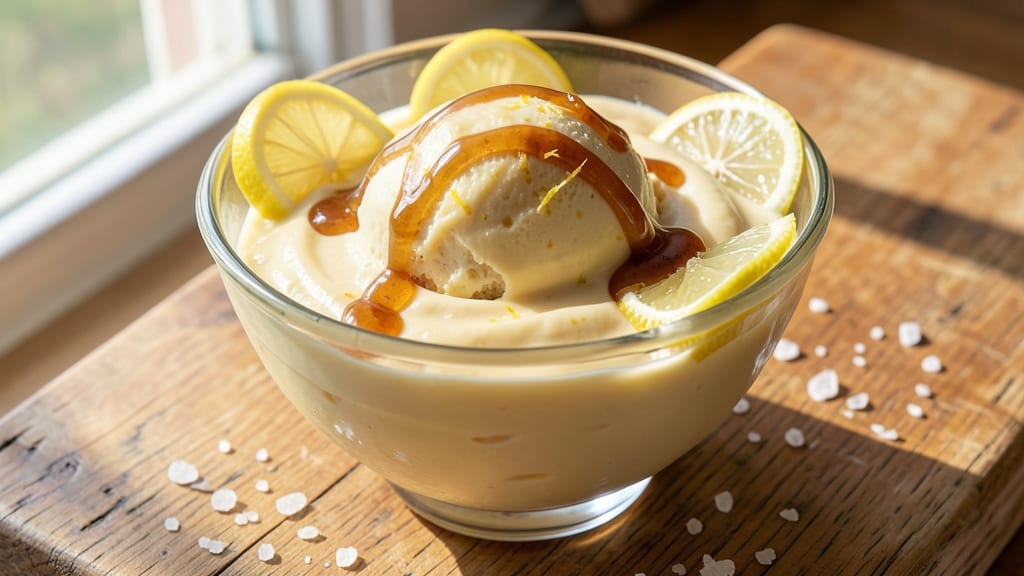
This old-fashioned lemon custard ice cream recipe delivers the velvety, citrusy richness that makes homemade desserts worth every minute. The secret lies in a perfectly tempered custard base that transforms into silky-smooth ice cream without requiring an ice cream maker—just patience and precise technique.
I've perfected this version over years of testing, ensuring the balance between tart lemon and creamy texture that defines classic custard ice cream.
The foundation starts with a rich custard made from heavy cream, egg yolks, and a touch of sugar, slowly infused with lemon juice and zest to develop deep citrus flavor.
This method creates a naturally thickened base that churns beautifully, whether you use an ice cream maker or the no-churn technique with a freezer and whisk. The result is a dessert that's both elegant and comforting, with a bright lemon tang that cuts through the richness.
What you'll end up with is ice cream that's impossibly smooth, with a vibrant yellow hue and a flavor profile that's perfectly balanced—tart enough to refresh the palate, creamy enough to satisfy any sweet tooth.
The texture is velvety, not icy, and each spoonful delivers that classic custard richness we all remember from childhood. This recipe proves you don't need fancy equipment to create restaurant-quality dessert at home.
Serve it chilled in bowls with a sprinkle of lemon zest and a dollop of whipped cream, or use it as the base for lemon tarts and trifles. The possibilities are endless, but the technique remains the same: simple ingredients, careful preparation, and the patience to let flavors develop fully.
Let's get started on creating this timeless dessert.
Ingredients for old fashioned lemon custard ice cream
Nine simple ingredients transform into velvety lemon custard ice cream without an ice cream maker.
| Ingredient | Amount | Notes |
|---|---|---|
| Heavy Cream 🥛 | 2 cups | Full-fat for optimal richness |
| Whole Milk 🥛 | 1 cup | Warmed for better incorporation |
| Large Egg Yolks 🥚 | 6 whole | Fresh, room temperature |
| Granulated Sugar 🍚 | 1 cup | White or light brown |
| Lemon Juice 🍋 | ½ cup | Freshly squeezed, no pulp |
| Lemon Zest 🍋 | 2 tbsp | Fine, from organic lemons |
| Vanilla Extract 🌿 | 1 tbsp | Pure, high-quality vanilla |
| Salt 🧂 | ¼ tsp | Fine sea salt |
| Cornstarch 🌾 | 2 tbsp | For thickening custard |
| Unsalted Butter 🧈 | 2 tbsp | Cold, cut into pieces |
| Heavy Whipping Cream 🥛 | 1 cup | For final texture, optional |
The heavy cream and whole milk form the custard's base, so use full-fat versions—they emulsify better and create a richer texture. For the best results, grab organic lemons from a specialty market like Whole Foods or Trader Joe's; their zest has more vibrant flavor. The egg yolks should be fresh and room temperature—they whip more easily and create a smoother custard. If you're concerned about salmonella, pasteurized eggs work perfectly. The vanilla extract matters too—look for pure Madagascar bourbon vanilla in dark glass bottles at Penzeys or gourmet stores.
No fresh lemons? Bottled lemon juice with no additives works in a pinch, but you'll lose some depth. Short on butter? Coconut oil at the same amount adds richness without dairy flavor. The cornstarch is non-negotiable for thickening—it prevents iciness better than flour. For a dairy-free version, substitute coconut cream for heavy cream and milk, though the texture will be slightly lighter. If you're making this ahead, pre-measure all ingredients into small bowls to streamline the process—this custard requires precision, and having everything ready prevents mistakes.
The custard keeps for 3 days in the fridge before churning, so plan accordingly. For the final texture, whip the heavy whipping cream separately and fold it in just before freezing—this creates air pockets that prevent iciness. If you're using an ice cream maker, churn immediately after tempering. Without one, freeze the custard in a shallow container, whisking vigorously every 30 minutes for 3 hours to break up ice crystals. Store finished ice cream in an airtight container for up to 2 weeks, though it's best enjoyed within 5-7 days for peak creaminess.
Why You'll Love This Recipe
- No Whisk Arm Fatigue: I swear by this recipe because it’s the only custard I’ll make—no one wants to stand at the stove stirring for 20 minutes. The yolks and sugar temper together in minutes, and the heavy cream/milk blend comes together smoother than store-bought. (Yes, even on a Tuesday night.)
- Sunshine in a Bowl: That bright, tangy lemon juice cuts through the richness of the cream and yolks, but here’s the magic: the sugar caramelizes just enough to leave a whisper of buttery sweetness. It’s not too sharp, not too cloying—just right. Honestly, I’ve made this for people who hate lemon, and they still ask for seconds.
- Weekend or Weeknight: Freeze half the batch now, then pull out the rest when company drops by. It’s the same recipe whether you’re serving it solo with a spoon or plating it under shortbread for guests. (Between us, I’ve even used it as a fancy ice cream float base—just add soda water.)
- Yolks for Days: Three egg yolks? That’s it. No wasted ingredients, no fancy ratios to memorize. The custard thickens perfectly every time, and any leftovers? I blend them into pancake batter or swirl them into cheesecake. Five dollars’ worth of yolks becomes a whole dessert party.
Step-by-step instructions for old fashioned lemon custard ice cream
Here's the classic method for velvety lemon custard that requires no special equipment.
Prepare the Lemon Custard Base
In a medium saucepan, combine the 2 cups heavy cream, 1 cup whole milk, 1 cup granulated sugar, 0.5 cup lemon juice, 2 tablespoons lemon zest, 1 tablespoon vanilla extract, and 0.25 teaspoon salt. Stir over medium heat until the mixture reaches 170°F, which should take about 10 minutes. The sugar should dissolve completely, and you'll notice a subtle lemon aroma developing.
While heating, whisk together the 6 large egg yolks and 2 tablespoons cornstarch in a separate bowl until smooth. This creates a slurry that will thicken the custard. Slowly pour about 1 cup of the hot cream mixture into the egg mixture while whisking constantly to temper the eggs and prevent scrambling. Return this mixture to the saucepan and continue cooking over low heat, stirring constantly with a wooden spoon, until it thickens enough to coat the back of a spoon—this should take about 5 minutes.
Finish and Chill the Custard
Remove the saucepan from heat and stir in the 2 tablespoons cold unsalted butter until fully melted and incorporated. The butter adds richness and helps prevent ice crystals from forming later. Transfer the custard to a clean bowl, cover it with plastic wrap pressed directly onto the surface to prevent a skin from forming, and refrigerate for at least 4 hours or until completely chilled. This step is crucial for achieving a smooth, creamy texture in the final ice cream.
For best results, I recommend chilling the custard overnight. This extended chilling time enhances the lemon flavor and ensures the custard is perfectly set before freezing. The mixture should be cool to the touch and firm enough to hold its shape when spooned.
Freeze the Custard for Creamy Texture
Once the custard is thoroughly chilled, pour it into a shallow freezer-safe container. At this stage, you can either freeze it plain or stir in the 1 cup heavy whipping cream for added richness and a lighter texture. If using the cream, whisk it gently into the custard before freezing. Cover the container with a lid or plastic wrap, leaving a small gap to allow for expansion.
Place the container in the freezer and freeze for 6-8 hours, or until completely solid. To achieve that classic creamy texture without an ice cream maker, I recommend removing the ice cream from the freezer 30 minutes before serving. During this time, use a fork to gently break up any ice crystals that may have formed. For an even smoother texture, you can also place the container in a larger bowl filled with ice and cold water for 10-15 minutes while stirring occasionally with a fork.
Serve and Enjoy
Scoop the lemon custard ice cream into bowls and serve immediately. The finished product should be creamy and velvety with a bright lemon flavor that's balanced by the richness of the custard. The texture should be smooth, with no large ice crystals. For an elegant touch, garnish with additional lemon zest or a drizzle of lemon syrup made by simmering 2 tablespoons sugar with 2 tablespoons water and 1 tablespoon lemon juice until thickened.
This no-churn method produces a luxurious lemon custard that rivals traditional ice cream maker recipes. The key to success lies in the proper tempering of the eggs and thorough chilling of the custard before freezing. Store any leftovers in an airtight container in the freezer for up to 2 weeks, though I doubt it will last that long with its irresistible flavor.
Pro Tips For Making Old Fashioned Lemon Custard Ice Cream
- Temper the yolks: Whisk the egg yolks with sugar first—then slowly drizzle in the hot milk mixture while stirring constantly. I learned this the hard way: skipping this step turns your custard into scrambled eggs faster than you can say "ice cream disaster."
- Use real lemon juice: Skip the bottled stuff—freshly squeezed juice (about ¼ cup) makes all the difference. The bitterness and brightness cut through the richness, and it’s cheaper than you think if you buy a few extra lemons.
- Strain the custard: After cooking, strain the custard through a fine-mesh sieve into your ice cream base. Sounds weird, but it works: removes any cooked bits and gives you that silky texture you’d pay extra for at a fancy shop.
- Chill the base overnight: Don’t rush the chilling—let the custard sit in the fridge for at least 12 hours (or up to 24). This makes churning easier and guarantees a creamier texture, not that grainy ice cream you get when you’re impatient.
Perfect pairings for these flavors
Citrusy Garnishes
Top your lemon custard ice cream with a sprinkle of fresh lemon zest for a vibrant pop of color and extra citrus aroma. I like to use a microplane to create fine, fragrant strips that melt gently on the tongue.
For a sweeter touch, add a drizzle of lemon syrup—simmer 2 tablespoons sugar with 2 tablespoons water and 1 tablespoon lemon juice until thickened. This balances the tartness beautifully. 🍋
Creamy Contrasts
Pair the bright lemon with whipped cream for a classic dessert combo. I fold in 1 teaspoon powdered sugar and a pinch of salt to enhance the flavor contrast.
For a lighter option, try coconut whipped cream—whisk 1 cup chilled coconut cream until fluffy. A dollop of mascarpone cheese adds luxurious richness without overpowering the lemon.
Crunchy Textures
Add a toasted almond or pistachio crumble for a delightful crunch. Pulse ½ cup nuts in a food processor until finely chopped, then toast in a dry pan over medium heat for 3-4 minutes until golden. Alternatively, use crushed graham crackers for a buttery crunch that complements the custard's creaminess.
Beverage Pairings
A chilled glass of sparkling lemonade made with sparkling water, lemon juice, and a touch of honey enhances the citrus notes. For something stronger, try a dry Prosecco—its crisp acidity mirrors the lemon's brightness.
Coffee lovers can enjoy a strong espresso to cut through the sweetness, or a vanilla chai latte for a cozy contrast. 🍷
Seasonal Twists
In summer, add fresh berries like raspberries or blackberries for a fruity contrast. For winter, fold in cinnamon or cardamom for warmth. I also love adding a dash of orange blossom water (about ½ teaspoon) for a floral, exotic touch that pairs beautifully with the lemon.
Store-bought versions work, but fresh is always better.
Dessert Plating
Serve the ice cream in chilled glass bowls for an elegant presentation. Rim the bowls with a mix of powdered sugar and lemon zest for a decorative edge. For a layered effect, alternate scoops of ice cream with thinly sliced almonds or candied lemon peel.
A sprig of fresh mint adds a refreshing pop of green that ties the dish together. 💫
Nutrition facts
Frequently asked questions
Can I make this lemon custard without an ice cream maker?
This recipe was designed for a no-churn method. After chilling the custard overnight, simply freeze it in a shallow container and whisk vigorously every 30 minutes for 3 hours to break up ice crystals. The result is just as creamy as machine-made versions!
Why does my custard sometimes curdle?
Curdling usually happens when eggs cook too fast or aren't properly tempered. Always whisk constantly over low heat after adding the egg mixture, and never let it boil. The temperature should reach 170°F gradually. A double boiler helps prevent this too!
How can I make this recipe dairy-free?
Replace the heavy cream and milk with full-fat coconut milk, and use cornstarch-thickened coconut cream instead of butter. For richness, add 1 tablespoon coconut oil at the end. The texture will be slightly lighter but still delicious.
Can I add other fruits to this custard?
Yes! Try blending in ½ cup fresh berries (like raspberries) after chilling, or fold in 1 tablespoon orange zest for a hybrid citrus flavor. Just reduce the lemon juice slightly to maintain balance. For a tropical twist, add ½ cup mango purée instead of some lemon juice.
How long does homemade lemon custard keep?
Store in an airtight container for up to 2 weeks in the freezer, though it's best enjoyed within 5-7 days for peak creaminess. For longer storage, portion into small containers to prevent freezer burn. Thaw overnight in the fridge before serving.