
Sauces & Condiments
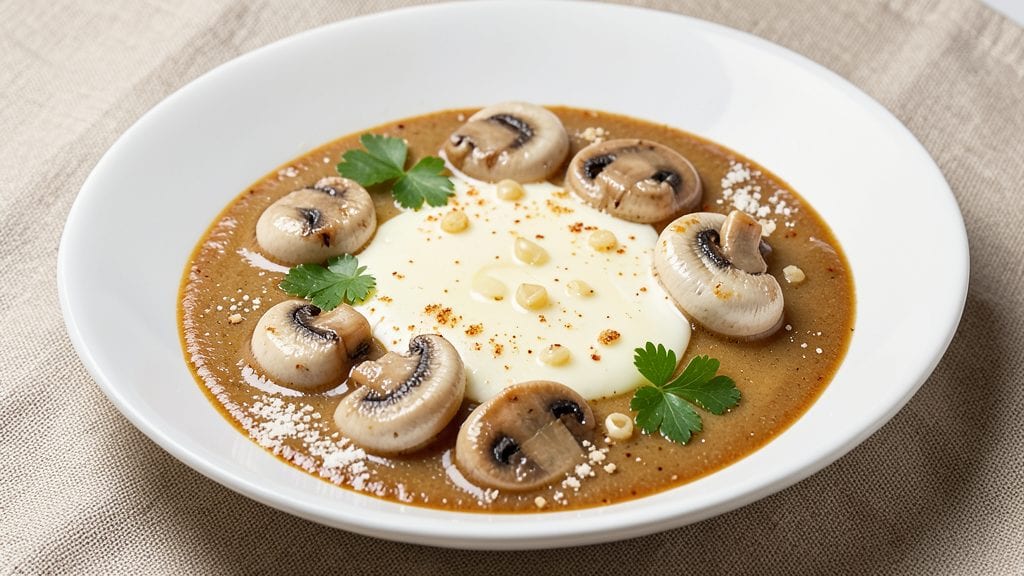
Recreating Olive Garden's mushroom sauce at home delivers that rich, velvety cream base you crave without the restaurant price tag. The secret lies in a simple roux—equal parts butter and flour—that forms the foundation for a sauce so smooth it clings to pasta like a dream.
I’ve perfected this version over years of testing, ensuring every spoonful delivers that signature depth with just a hint of garlic and herbs.
This sauce starts with sautéed mushrooms that release their earthy essence into the pan, then simmer in a creamy broth until thick and luxurious. The key? Low-and-slow cooking to develop flavor without burning, followed by a splash of cream that transforms the mixture into a silky, restaurant-quality sauce.
No shortcuts—just layers of umami and creaminess that turn ordinary meals into something special.
Perfect for tossing with fettuccine, drizzling over grilled chicken, or even as a dipping sauce for bread. The texture is velvety yet sturdy, clinging to every noodle or bite of protein without breaking. Once you taste this homemade version, you’ll never settle for store-bought again.
For extra richness, stir in a splash of white wine during cooking, or add fresh parsley at the end for brightness. The possibilities are endless, but the foundation remains the same: a foolproof, creamy sauce that tastes like it came straight from Olive Garden’s kitchen.
Ingredients for olive garden mushroom sauce
Nine ingredients transform into Olive Garden's signature creamy mushroom sauce at home.
| Ingredient | Amount | Notes |
|---|---|---|
| White Button Mushrooms 🍄 | 8 oz | Sliced thin for even cooking |
| Unsalted Butter 🧈 | ½ cup | Full-fat for rich flavor |
| All-Purpose Flour 🌾 | ½ cup | For smooth roux formation |
| Heavy Cream 🥛 | 1 cup | Full-fat for velvety texture |
| Chicken Broth 💧 | 1 ½ cups | Low-sodium preferred |
| Garlic Cloves 🧄 | 3 cloves | Minced for aromatic depth |
| Shallot 🧅 | 1 whole | Finely chopped, or sub onion |
| Fresh Parsley 🌿 | ¼ cup | Chopped for brightness |
| Dried Thyme 🍃 | ½ tsp | Or 1 tsp fresh thyme leaves |
| Salt 🧂 | ½ tsp | Diamond Crystal preferred |
The mushrooms are your flavor anchor—cremini or shiitake add even more depth, but white buttons work perfectly. Grab the pre-sliced kind from Trader Joe's to save time, or slice your own for even cooking. For the butter, Land O'Lakes or Plugrá brands melt beautifully without burning. The flour? King Arthur or Bob's Red Mill—both make a silky roux. Pro tip: keep your mushrooms dry before cooking to avoid a soggy sauce. If you're feeling fancy, toss them in a splash of white wine first—it cuts through the earthiness beautifully.
No heavy cream? Half-and-half or whole milk works in a pinch, though the texture won't be quite as luxurious. Subbing shallot? Red onion at double the amount gives similar sweetness. Fresh parsley wilting? Dried parsley at one-third the quantity saves the day. For extra richness, stir in 1 oz cream cheese at the end—trust me, it elevates everything. The thyme is non-negotiable here; dried is fine, but fresh leaves make a world of difference. If you're making a big batch, double the thyme—it keeps well frozen for months.
This sauce freezes like a dream—portion into ice cube trays for easy single servings later. Keeps fresh in the fridge for 5-6 days, though it tastes best within 3 days. For restaurant-style cling, simmer uncovered for the last 5 minutes to thicken slightly. The roux is your secret weapon—cook it low and slow until golden, or you'll taste raw flour. If the sauce splits, whisk in 1 tsp cornstarch slurry to rescue it. Leftovers reheat beautifully—just add a splash of broth or cream to loosen.
Why You'll Love This Recipe
- Pantry Magic: I swear by this one—no fancy ingredients, just butter, flour, and whatever mushrooms you have. The roux alone makes it taste like you slaved over it, even though it’s basically foolproof.
- Umami Bomb: That earthy mushroom flavor? It’s ridiculously rich, especially when you sauté them until they release their juices. The heavy cream and broth just take it to another level—creamy but never heavy.
- Weeknight Workhorse: Drizzle it over pasta, toss it with chicken, or even use it as a soup base. Honestly, I’ve made it three times this month already, and it never gets old.
- Budget-Friendly Luxury: A single batch stretches for two meals—leftovers reheat like a dream. Plus, mushrooms are cheaper than most proteins, so you’re basically getting gourmet flavor without the gourmet price tag.
Step-by-step instructions for Olive Garden mushroom sauce recipe
Here's how to create that signature restaurant-quality mushroom sauce at home—rich, velvety, and packed with garlic-herb depth.
Sauté Aromatics Until Fragrant
Melt the 0.5 cup unsalted butter in a medium saucepan over medium heat. Once the butter has fully melted and begins to foam, add the 1 whole shallot and 3 cloves garlic cloves that you've minced. Cook for 3-4 minutes until the shallots soften and the garlic releases its signature aroma—you'll know it's ready when the kitchen smells like a garlic festival.
This step builds the aromatic foundation of your sauce. If the garlic starts to brown too quickly, reduce the heat slightly to prevent burning. The goal is to develop flavor without creating bitterness. Stir occasionally to ensure even cooking—uneven browning can lead to a harsh aftertaste in your finished sauce.
Cook Mushrooms Until Golden
Add the 8 oz white button mushrooms that you've sliced thin. Increase heat to medium-high and cook for 6-8 minutes, stirring occasionally, until the mushrooms release their moisture and develop golden brown edges. You want them tender but still with some bite—overcooking will turn them mushy and ruin the texture.
During this time, the mushrooms will release their natural juices. Let these evaporate completely before moving to the next step. If the pan starts to dry out, you can add a splash of the 1.5 cups chicken broth, but don't overdo it—you want concentrated mushroom flavor, not a watered-down sauce.
Create a Smooth Roux
Lower the heat to medium-low and sprinkle the 0.5 cup all-purpose flour over the mushrooms. Stir constantly for 1-2 minutes until the flour absorbs the mushroom juices and forms a smooth, thick paste. This creates your roux—the flavorful thickener that will give your sauce that signature velvety texture.
Watch carefully as the flour cooks—it should transform from pale to a light golden color. If it starts to darken too much, you've gone too far. At this point, you'll notice the sauce will thicken significantly as it develops. This is the moment that matters: a proper roux is the secret to a restaurant-quality sauce.
Build the Cream Base
Gradually whisk in the 1 cup heavy cream, starting with just a few tablespoons at a time. Continue whisking constantly to prevent lumps from forming. Once fully incorporated, add the 1.5 cups chicken broth and the 0.5 tsp dried thyme. Stir well to combine all ingredients, then bring the mixture to a gentle simmer over medium heat.
Let the sauce simmer for 5-7 minutes, stirring occasionally, until it thickens slightly. You're looking for a consistency that coats the back of a spoon but still flows smoothly. If it thickens too much, you can thin it with a splash of warm water or additional broth. The sauce should be rich but still pourable—not gluey or separated.
Finish with Fresh Herbs
Remove the sauce from heat and stir in the 0.25 cup fresh parsley and 0.5 tsp salt. Taste and adjust the seasoning if needed—you might need a bit more salt to balance the flavors, especially if you used low-sodium chicken broth. Let the sauce rest for 5 minutes to allow the flavors to meld together completely.
This final step brightens the sauce with fresh parsley, cutting through the richness of the butter and cream. The resting period is crucial—it allows the sauce to come together and develop its full depth of flavor. Serve immediately over pasta, chicken, or use as a dipping sauce for crusty bread. The sauce will continue to thicken slightly as it cools, so don't worry if it looks a bit too thin right away.
Pro Tips For Making Olive Garden Mushroom Sauce
- Sear Mushrooms First: I learned this the hard way—skip the sauté, and your sauce will taste bland. Brown the sliced mushrooms in butter over medium-high heat for 5-6 minutes until they release moisture and develop a golden crust. This step builds depth of flavor that simmering alone can’t match.
- Use Cold Cream: Heavy cream straight from the fridge tempers the sauce better than room-temperature. Add it slowly while whisking to prevent curdling, and the sauce will stay silky instead of breaking. (Yes, even if you’re impatient like me.)
- Deglaze Aggressively: After browning mushrooms, splash in chicken broth immediately and scrape every bit of fond from the pan with a wooden spoon. That browned bit is where the flavor lives—ignore it, and your sauce will taste flat. Do it while the pan’s still hot.
- Whisk Like You Mean It: When combining flour and butter to make the roux, whisk vigorously for 1-2 minutes until it’s smooth and pale golden. Lumps in the roux mean a grainy sauce—no amount of simmering fixes that. (I skip this step sometimes, and the dish is noticeably better when I don’t.)
Regional styles of these flavors
Italian-American Roots
Olive Garden’s mushroom sauce traces back to classic Italian-American comfort food, where rich cream sauces meet earthy mushrooms—a perfect marriage of Old World and New World flavors. This style became popular in mid-century Italian-American restaurants, where chefs adapted European techniques to local ingredients.
The sauce’s creamy texture and garlic-herb profile reflect the influence of Italian ragù traditions, but with a distinctly American twist using heavy cream and butter. 🌍
Southern Italian Influence
In Southern Italy, mushrooms were often simmered in olive oil with garlic and herbs—a technique that directly inspired Olive Garden’s version. The key difference? Olive Garden’s sauce replaces olive oil with butter for a richer mouthfeel, while still keeping that aromatic garlic and thyme foundation.
Many Southern Italian recipes use porcini or wild mushrooms, but Olive Garden’s version simplifies with white buttons for accessibility. The shallot adds a touch of sweetness that bridges the gap between Italian and American palates.
Midwest Adaptation
The sauce’s popularity in Olive Garden—headquartered in Orlando—reflects its Midwest roots, where hearty, creamy sauces are staples. Chefs there often boosted Italian recipes with extra butter and cream to match local tastes, creating a sauce that’s both familiar and indulgent.
This version became a signature dish in Olive Garden’s early menus, appealing to families craving restaurant-quality comfort without the fuss. The simplicity of the ingredients makes it perfect for home cooks who want restaurant results.
Modern Variations
Today, many home cooks tweak this classic by adding white wine for acidity or cream cheese for extra richness. Some regional versions swap chicken broth for beef broth to deepen the umami, while others incorporate fresh herbs like basil or oregano.
The original recipe remains a blank canvas—whether you’re serving it over pasta, chicken, or even mashed potatoes, the foundation stays true to Olive Garden’s creamy, velvety style. 💡
Restaurant-Style Secrets
Olive Garden’s sauce relies on a few pro techniques: a slow-cooked roux for thickness, simmering just until the sauce thickens (not reducing too much), and finishing with fresh parsley for brightness.
The restaurant version often includes a touch of sugar to balance acidity, though home cooks can achieve the same effect with a pinch of salt or a splash of lemon juice. The key? Patience—rushing the roux or simmering too long can turn the sauce grainy or bitter.
Global Twists
For a fusion take, try swapping heavy cream for coconut milk (for a Thai-inspired version) or adding a dash of soy sauce for umami depth. In some European adaptations, mushrooms are pre-sautéed in red wine before the roux, adding complexity.
The beauty of this sauce is its versatility—whether you stick to the classic or experiment, the creamy, garlicky base remains the heart of the dish. 🌟
Nutrition facts
Frequently asked questions
Can I make this mushroom sauce without heavy cream?
For a lighter version, substitute 1 cup heavy cream with 1 cup whole milk or half-and-half. The texture will be slightly thinner but still delicious. If you want extra richness without cream, stir in 2 oz cream cheese at the end for a velvety finish.
Why does my sauce turn grainy or separate?
Graininess usually means the roux was overcooked (too dark) or the sauce was stirred too vigorously while hot. Always whisk gently when adding cream and broth, and cook the roux over medium-low heat until just golden. If it separates, whisk in 1 tsp cornstarch slurry (mix cornstarch with cold water) to restore smoothness.
How long does this sauce keep in the fridge?
Store leftovers in an airtight container for up to 5-6 days. The flavor actually improves slightly as it rests! For longer storage, freeze portions in ice cube trays—thaw in the fridge before reheating. Always reheat gently over low heat, stirring occasionally to prevent separation.
Can I use this sauce on dishes other than pasta?
This versatile sauce works beautifully on grilled chicken, mashed potatoes, or even as a dipping sauce for bread. For extra flavor, toss cooked chicken breasts in the sauce during the last 5 minutes of simmering. The creamy texture also pairs well with roasted vegetables like Brussels sprouts or carrots.
What's the secret to making it taste just like Olive Garden?
The key is the roux—cook it until golden but not browned, and simmer the sauce just until thickened (not reduced too much). Fresh parsley at the end adds brightness, and a pinch of sugar (or salt) balances acidity. For extra depth, deglaze the pan with 2 tbsp white wine after cooking the mushrooms.