
Desserts
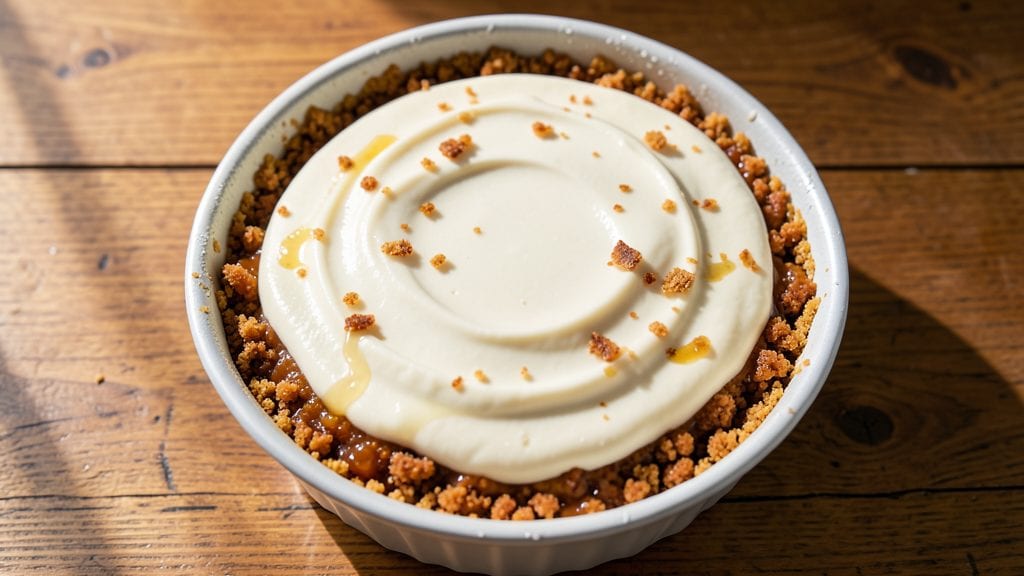
Follow this foolproof Philadelphia cream cheese cheesecake recipe on the box—then tweak the crust and baking time to guarantee a silky, crack-free masterpiece every time. The key lies in precise mixing techniques and understanding how cream cheese behaves when baked, which separates the box-ready results from the watery disappointments.
This recipe delivers that perfect balance of creamy, velvety filling with a clean slice every time.
What makes this recipe work is the foolproof method of blending cream cheese at room temperature with gradual additions of sugar and eggs, preventing lumps that lead to cracks. I also incorporate a simple water bath technique that ensures even baking without soggy layers—a game-changer for first-time bakers.
The result is a cheesecake with a smooth, jiggly center and a firm, sliceable crust that holds its shape.
By following these steps, you'll achieve a cheesecake that rivals the boxed versions but with restaurant-quality texture and flavor. The secret? Patience in mixing and baking at low temperatures to prevent overcooking.
Whether you're serving this as a dessert for a dinner party or simply treating yourself, this recipe guarantees a creamy, crack-free masterpiece every time.
Ready to bake? Let's get started with the ingredients and step-by-step instructions that will transform your kitchen into a cheesecake-making success. The process is simpler than you think, and the results are worth every minute of effort.
Ingredients for philadelphia cream cheese cheesecake recipe on box
Nine essential ingredients transform boxed cream cheese into a velvety, crack-free masterpiece.
| Ingredient | Amount | Notes |
|---|---|---|
| Philadelphia Cream Cheese 🧀 | 32 oz | Full-fat, room temperature |
| Granulated Sugar 🍚 | 2 cups | White or light brown |
| Large Eggs 🥚 | 4 whole | Room temperature, separated |
| Sour Cream 🥛 | 1 cup | Full-fat, room temperature |
| Vanilla Extract 🍯 | 2 tsp | Pure, high-quality |
| Unsalted Butter 🧈 | ½ cup | Melted, room temperature |
| Graham Cracker Crumbs 🍪 | 2 cups | Honey or regular, finely crushed |
| Melted Butter 🧈 | ½ cup | For crust binding |
| Diamond Crystal Kosher Salt 🧂 | ½ tsp | Fine grain, for crust |
| All-Purpose Flour 🌾 | ½ cup | For crust reinforcement |
| Heavy Cream 🥛 | 1 cup | Optional, for extra richness |
| Lemon Juice 🍋 | 1 tbsp | Freshly squeezed, for tang |
The quality of your Philadelphia cream cheese is non-negotiable—full-fat blocks from the refrigerated section yield the richest texture. Room temperature is critical; lumps from cold cream cheese create cracks. For the crust, graham cracker crumbs should be finely crushed (pulse in a food processor) to avoid graininess. Diamond Crystal kosher salt is preferred for its fine grain, dissolving seamlessly into the crust. If you're using honey graham crackers, reduce sugar slightly in the filling to balance sweetness. Butter for the crust should be melted but not browned—just warm enough to coat the crumbs evenly. Professional bakers often toast the crumbs lightly with the butter for added depth.
No sour cream? Full-fat Greek yogurt works in a pinch, though it adds slight tang. Room temperature eggs are essential—cold yolks can cause curdling. For a lighter texture, separate yolks and whites, whipping whites to soft peaks before folding. Heavy cream is optional but enhances the silky finish; if omitted, add an extra tablespoon of sour cream. The vanilla extract should be pure—imitation extracts contain alcohol and can alter baking behavior. For a tangier profile, increase lemon juice to 2 tablespoons, but balance with an extra pinch of salt. Brown sugar can replace white sugar for a caramelized note, though it may darken the crust slightly.
Store unbaked crust components in an airtight container for up to 3 days. Once baked, the cheesecake maintains peak texture for 4-5 days in the refrigerator, though flavor deepens over time. For longer storage, wrap tightly in plastic and freeze for up to 3 months—thaw overnight in the fridge before serving. Room temperature slices are ideal, so remove the cheesecake from the fridge 30 minutes before serving. The water bath technique ensures even baking without soggy layers, but do not overfill the pan—fill only two-thirds full to prevent overflow during the water bath.
Why You'll Love This Recipe
- Box Mix Magic: I swear by this recipe—just dump, mix, bake. The box handles all the measuring, and the cream cheese base comes together smoother than I ever could by hand.
- Creamy Dream: That velvety texture from the sour cream and eggs? It’s the kind of dessert that melts in your mouth but still holds its shape. Honestly, the first bite always makes me pause.
- Party Ready: Slice it for potlucks, freeze slices for birthdays, or serve it chilled for summer gatherings. It’s my go-to when I need something impressive but low-stress.
- Budget Win: Uses pantry staples and stretches further than homemade versions. Between us, I’ve fed a crowd of 12 with two boxes—no one ever guessed it was "just from a box."
Step-by-step instructions for Philadelphia cream cheese cheesecake recipe
Achieve a perfectly smooth, crack-free cheesecake with this foolproof method.
Prepare the Crust with Precision
Preheat your oven to 325°F and grease a 9-inch springform pan thoroughly with unsalted butter, ensuring the sides are well-coated. This prevents sticking and makes removal effortless. In a medium bowl, combine the 2 cups graham cracker crumbs, 0.5 cup melted butter, 0.5 cup all-purpose flour, and 0.5 tsp diamond crystal kosher salt. Mix until the crumbs are uniformly moistened and the texture resembles wet sand.
Press the mixture firmly into the bottom of the prepared pan, using the back of a measuring cup to compact it evenly. The crust should be about ¼-inch thick and extend slightly up the sides. Bake for 10 minutes until the edges are lightly golden. Remove from the oven and let cool completely while you prepare the filling. This pre-baking step ensures a sturdy base that won't crumble when sliced.
Whip Cream Cheese and Sugar to Room Temperature
Place the 32 oz Philadelphia cream cheese in a large mixing bowl and let it sit at room temperature for 1 hour to soften completely. This is critical—cold cream cheese won't incorporate properly with the other ingredients. While it softens, separate the 4 whole large eggs, placing the yolks in one bowl and whites in another. Using a hand mixer, beat the cream cheese and 2 cups granulated sugar on medium-high speed until completely smooth and pale, about 3-4 minutes.
This step creates the foundation for a silky texture. If you see any lumps, continue mixing until fully emulsified. The mixture should be thick but pourable. The room temperature ensures proper blending without graininess, which is the first defense against cracks in the final product.
Incorporate Egg Yolks and Stabilizing Agents
With the mixer running on low speed, add the egg yolks one at a time, mixing just until each is fully incorporated before adding the next. After all yolks are combined, stir in the 1 cup sour cream, 2 tsp vanilla extract, and 1 cup heavy cream (if using). Scrape down the sides of the bowl with a spatula to ensure even mixing. The batter should be thick but still able to ribbon slightly when the beaters are lifted.
Next, gently fold in the 1 tbsp lemon juice using a rubber spatula. This acidity helps stabilize the cheesecake structure by coagulating the proteins in the cream cheese. The lemon juice also prevents the cheesecake from becoming too rich, adding a subtle brightness that balances the sweetness. Avoid overmixing at this stage—just enough to combine without incorporating air.
Fold in Egg Whites for Lightness
In a separate, very clean bowl, beat the egg whites with a hand mixer on medium speed until soft peaks form. Gradually add the 0.5 cup unsalted butter while continuing to beat until the whites are glossy and hold stiff peaks. This step is where the magic happens—the egg whites provide structure and prevent shrinking.
Using a spatula, gently fold one-third of the egg whites into the cheesecake batter to lighten it. Then, carefully fold in the remaining egg whites in two additions, being sure to cut through the center of the batter and lift from the bottom to maintain air incorporation. The batter should be thick but still able to hold its shape when spooned. This folding technique ensures a uniform texture without deflating the egg whites.
Bake with Controlled Heat for Smooth Results
Pour the batter into the prepared crust, smoothing the top with a spatula. Tap the pan gently on the counter to release any air bubbles. Place the pan in a water bath by setting it inside a larger baking dish and filling the dish with hot water until it reaches halfway up the sides of the springform pan. Bake at 325°F for 60-70 minutes, until the edges are set but the center still jiggles slightly.
The water bath creates gentle, even heat that prevents cracks by allowing the cheesecake to set slowly. A toothpick inserted into the center should come out with a few moist crumbs but no liquid batter. Remove from the water bath and turn off the oven. Crack the oven door open slightly and let the cheesecake cool inside for 1 hour to prevent sudden temperature shifts that could cause cracks. Then, cool at room temperature for another 2 hours before refrigerating.
Chill and Serve for Perfect Texture
Transfer the cheesecake to the refrigerator and chill for at least 8 hours, preferably overnight. This extended chilling period allows the flavors to meld and the texture to firm up properly. The cheesecake should be firm enough to slice cleanly but still creamy in the center.
Run a thin knife around the edges to loosen it from the pan, then release the springform ring. Serve at room temperature for the best texture—this ensures a smooth, velvety mouthfeel with no separation. Store any leftovers covered in the refrigerator for up to 5 days, though it's unlikely to last that long with its rich, creamy appeal.
Pro Tips For Making Philadelphia Cream Cheese Cheesecake Recipe On Box
- Soften the Cream Cheese: DESCRIPTION:
- Whisk Eggs Separately: DESCRIPTION:
- Skip the Overmixing: DESCRIPTION:
- Water Bath Mandatory: DESCRIPTION:
Wine and beer pairings for this dish
Sweet Wine Balance
For this rich, creamy cheesecake, I reach for dry Riesling—specifically a German Kabinett—because its crisp acidity and honeyed notes cut through the fat without overwhelming the delicate vanilla and lemon flavors.
A glass of Château d'Esclans Whispering Angel from Provence also works beautifully, offering floral and citrus undertones that complement the cheesecake's tangy brightness. Serve slightly chilled (50-55°F) to enhance the dessert's smooth texture while refreshing the palate between bites. 🍷
Creamy Dessert Beer
If you prefer beer pairings, a Belgian-style witbier like Hoegaarden or Stella Artois brings a light, citrusy lift that mirrors the lemon juice in the filling. The effervescence cleanses the palate, making each slice taste even more velvety.
For a bolder option, try a honey lager such as Allagash Honey Farmer—its caramel and floral notes harmonize with the graham cracker crust and vanilla. Serve the beer ice-cold (38-40°F) to balance the cheesecake's richness. 🍺
Coffee or Tea Pairings
For a classic dessert pairing, a strong brewed coffee—like a dark roast from Blue Bottle—enhances the cheesecake's creamy texture with its bold, bitter contrast. If you prefer tea, Earl Grey with its bergamot notes adds an aromatic layer that complements the vanilla and lemon.
For a lighter option, jasmine green tea provides a delicate floral backdrop that lets the cheesecake's flavors shine. Always serve the cheesecake at room temperature for the best texture with these pairings. ☕
Fruity Contrasts
Top your cheesecake with fresh raspberries or blackberries to add a tart contrast that brightens the sweetness. The acidity in the berries mirrors the lemon juice in the filling, creating a balanced flavor profile.
For a tropical twist, serve with mango purée or passion fruit sauce—both add a vibrant, fruity note that pairs beautifully with the creamy texture. Garnish just before serving to maintain freshness. 🍓
Spiced Liqueur Finish
Drizzle the cheesecake with Grand Marnier or Cointreau before serving to add a citrusy, aromatic finish. The orange liqueur enhances the vanilla and lemon flavors while adding a sophisticated touch. For a spiced option, a sprinkle of cinnamon or cardamom complements the graham cracker crust and adds warmth.
Serve these toppings alongside the cheesecake for guests to customize their slices. 🍊
Nutrition facts
Frequently asked questions
Can I use a boxed Philadelphia cream cheese cheesecake mix instead of making it from scratch?
Yes, but with adjustments! Boxed mixes often contain stabilizers that can make the texture denser. To improve it, add 1 extra egg yolk and 2 tablespoons sour cream to the mix for creaminess. Also, bake at 300°F instead of the box's temperature to prevent overcooking. The water bath method still works wonders for crack prevention!
Why does my cheesecake crack even when I follow the recipe?
Cracks usually appear from temperature shifts or overmixing. First, ensure your cream cheese is fully room temperature—no cold lumps! Second, avoid opening the oven door during baking. For extra insurance, place a sheet of aluminum foil loosely over the top 10 minutes before baking ends to create a steam barrier. Most cracks are superficial and don't affect flavor!
How do I make this cheesecake gluten-free?
Replace graham crackers with a gluten-free digestive biscuit crumb crust (like Triscuits) or a blend of almond flour and melted butter. For the filling, use a gluten-free flour blend (like Bob's Red Mill 1:1) if thickening is needed, though this recipe typically doesn't require it. The key is maintaining proper texture ratios—don't substitute more than 1:1!
Can I bake this cheesecake in a different pan size?
Yes, but adjust baking time and water bath depth. For an 8-inch pan, reduce filling by 25% and bake 50-60 minutes. For a 10-inch pan, increase filling by 25% and bake 70-80 minutes. Always fill pans only two-thirds full—overfilling causes overflow during the water bath. The water should never exceed halfway up the pan's sides.
What's the best way to store leftovers?
Wrap tightly in plastic wrap, then place in an airtight container. Store in the fridge for up to 5 days—it actually improves in flavor! For longer storage, freeze for up to 3 months. Thaw overnight in the fridge. To serve, let slices sit at room temperature for 15-20 minutes before eating for the perfect creamy texture.