
Side Dishes
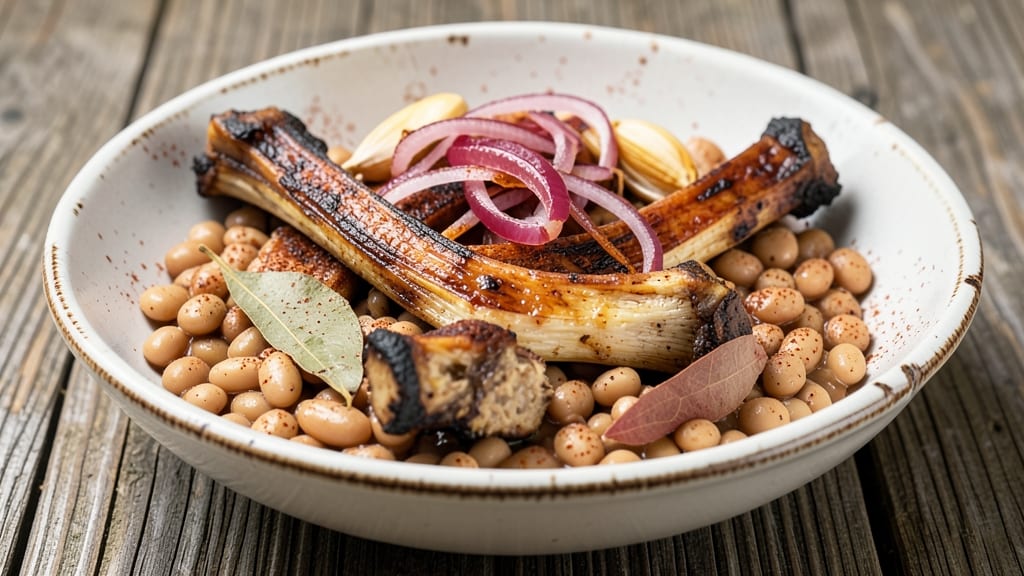
Transforming pinto beans and smoked neck bones into a restaurant-worthy side dish is all about patience and layering flavors—something I perfected after years of experimenting with slow-cooked bean dishes. The secret lies in the bone broth, which infuses the beans with deep, smoky richness while keeping them tender and hearty.
This isn’t just a side; it’s a flavor experience that elevates any meal.
The process is straightforward but requires time—4 to 6 hours of simmering—to let the bones render their collagen and the beans absorb the smoky essence. You’ll start with a simple soak of dried pinto beans, then braise them with smoked neck bones until the meat falls off effortlessly.
The result? A dish that’s creamy, smoky, and packed with protein, where every bite delivers a perfect balance of texture and flavor.
What makes this recipe stand out is how the smoky depth from the neck bones transforms ordinary pinto beans into something extraordinary. The beans become tender yet hold their shape, while the broth reduces into a velvety sauce that coats each bean.
Serve it as a side to grilled meats, cornbread, or even as a standalone dish—it’s that good.
For those short on time, you can use canned beans instead of dried, though the flavor won’t be as rich. The key to success is low-and-slow cooking, which ensures the beans stay tender and the broth develops its signature depth.
Once mastered, this dish will become a staple in your kitchen—smoky, satisfying, and impossible to resist.
Ingredients for pinto beans and smoked neck bones
Dried pinto beans and smoky neck bones create a hearty, restaurant-worthy side dish with minimal fuss.
| Ingredient | Amount | Notes |
|---|---|---|
| Dried Pinto Beans 🌾 | 2 cups | Unsorted, no need to pick over |
| Smoked Neck Bones 🦴 | 2 lb | Beef, for maximum smoky flavor |
| Yellow Onion 🧅 | 1 whole | Chopped into half-moons |
| Garlic Cloves 🧄 | 4 cloves | Crushed, not minced |
| Bay Leaves 🌿 | 2 whole | Fresh or dried |
| Smoked Paprika 🌶️ | 1 tbsp | For extra depth (optional) |
| Salt 🧂 | 1 ½ tsp | Kosher or sea salt |
| Black Peppercorns 🌶️ | ½ tsp | Freshly cracked |
| Apple Cider Vinegar 🍎 | 1 tbsp | Brightens the broth |
| Water 💧 | 10 cups | Filtered preferred |
| Olive Oil 🫒 | 2 tbsp | For initial searing |
| Fresh Thyme 🌿 | 2 sprigs | Or 1 tsp dried |
| Cumin Seeds 🌿 | ½ tsp | Toasted for aroma |
The smoked neck bones are the star here—look for beef bones with visible smoke residue at your butcher shop or Costco. If you can't find smoked bones, regular beef bones smoked for 10 minutes in your oven with a few wood chips work in a pinch. Pinto beans should be plump and uniform—skip any shriveled ones. For the best flavor, soak overnight, but a quick 2-hour soak with hot water and baking soda (1 tsp) does the trick. The thyme and cumin seeds? Toast them in a dry pan for 30 seconds before adding—they'll release amazing aroma.
No smoked bones? Substitute with smoked paprika plus a beef bouillon cube for depth, though it won't be as rich. Fresh thyme is ideal, but dried works at half the amount. Short on time? Canned pinto beans cut prep by hours—just drain and rinse them well first. The apple cider vinegar might seem odd, but it brightens the broth and balances the smokiness. If you're feeling fancy, add a dash of liquid smoke (1/4 tsp) for extra punch. The cumin seeds can be skipped if you're not a fan, but they add a warm, earthy note that pairs perfectly with the smoky bones.
This dish tastes even better the next day as flavors meld. Store in the fridge for 5-6 days—the broth will thicken and deepen. For freezing, portion into airtight containers and keep for up to 3 months. Reheat gently on the stove with a splash of water to restore creaminess. I always make a double batch—one for dinner, one for lunches the following week. The beans hold up beautifully when reheated, and the smoky flavor only gets more intense.
Why You'll Love This Recipe
- No-Soaking Needed: I’ll admit—skipping the overnight soak is a game-changer. Just toss those dried pinto beans in a pot with the neck bones, cover with water, and let them simmer. By the time the meat falls off the bone, the beans are tender and ready to shine. (Yes, even on a Tuesday night when you’re too tired to plan ahead.)
- Smoky, Deep Umami Bomb: That first bite? Rich, smoky, and almost sinful. The neck bones infuse the beans with this slow-cooked, savory depth—like a hug in a bowl. The bay leaves and garlic cloves tie it all together, but honestly? The star is the meat melting into the pot, turning every spoonful into pure satisfaction.
- Weeknight to Potluck Hero: This recipe works everywhere. Serve it as a hearty side with cornbread, pile it onto toast for breakfast, or bring it to a picnic—it’s the kind of dish that disappears fast. My daughter even sneaks bites straight from the pot. (Between us, I don’t blame her.)
- Budget-Friendly Leftovers: A pound of neck bones and a bag of dried beans stretch to feed four for dinner and lunch the next day. The flavor only gets better as it sits, and honestly? The cost per serving is half what you’d pay for pre-made chili. Plus, the bones? You can reuse them for stock—zero waste, all flavor.
Step-by-step instructions for pinto beans and smoked neck bones
This method transforms simple ingredients into rich, smoky beans with deep flavor from the bones.
Prepare the Smoked Neck Bones
Place the 2 lb smoked neck bones in a large pot and add the 10 cups water. Bring to a rolling boil over high heat for 5 minutes to blanch. This step removes impurities and prepares the bones for maximum flavor extraction.
After boiling, drain the bones and rinse them under cold water. Return them to the clean pot and add fresh 10 cups water. Bring to a simmer over medium-low heat and let the bones cook uncovered for 1 hour. You'll see the broth develop a rich, amber color and the bones will release their gelatinous marrow.
I like to skim off any foam that rises to the surface during the first 20 minutes—this ensures a clearer broth. The bones should be tender enough to easily pull apart with a fork by the end of this hour, signaling they've released all their flavorful collagen.
Build the Flavor Base
While the bones simmer, heat the 2 tbsp olive oil in a separate skillet over medium heat. Add the chopped 1 whole yellow onion and cook for 8-10 minutes until softened and golden brown. This caramelization adds sweet depth to the final dish.
Add the 4 crushed garlic cloves and cook for another 1 minute until fragrant. Immediately transfer the onion and garlic to the pot with the simmering bones. Stir in the 1 tbsp smoked paprika, 0.5 tsp toasted cumin seeds, and 2 whole bay leaves. These spices will infuse the broth with their signature warmth.
Let everything simmer together for 30 minutes to allow the spices to meld with the bone broth. The kitchen should fill with an intoxicating aroma—this is when the magic happens. The longer you let this simmer, the more complex the flavors become.
Add the Pinto Beans and Season
Rinse the 2 cups dried pinto beans under cold water to remove any debris. Add them to the pot with the simmering bone broth and aromatics. Pour in the 1 tbsp apple cider vinegar and stir gently—this brightens the broth and helps tenderize the beans.
Add the 1.5 tsp salt and 0.5 tsp cracked black peppercorns. The beans should be just covered by the liquid—if they're not, add enough water to reach about 1 inch above the beans. Bring everything back to a gentle simmer over low heat.
Here's the thing—pinto beans need patience. They'll take about 45-60 minutes to become tender. I check for doneness by pressing a bean between my fingers—it should be soft but not mushy. The beans are done when they're fork-tender but still hold their shape.
Finish and Rest
Once the beans are tender, stir in the 2 sprigs fresh thyme. Let the entire pot simmer uncovered for another 10 minutes to allow the flavors to fully develop. The beans should absorb the smoky essence from the bones and spices.
Remove the pot from heat and let the beans rest for 15 minutes before serving. This resting period allows the beans to finish absorbing the liquid and develop their final texture. The broth should be rich and slightly thickened from the released collagen.
Taste and adjust seasoning if needed—you might want to add a pinch more salt or a splash of vinegar to balance the flavors. Serve the beans warm, either as a hearty side dish or as a filling for tacos and burritos. The smoky depth from the neck bones will make this simple dish unforgettable.
Pro Tips For Making Pinto Beans And Smoked Neck Bones
- Parboil Beans First: Dump dried pinto beans straight into your pot and you’re asking for trouble—soak them overnight instead. I used to skip this and ended up with beans that were either rock-hard or mushy, no matter how long I cooked them. Twelve hours in water, then a quick rinse before adding to the pot guarantees they’ll soften evenly and soak up all that smoky neck bone flavor.
- Brown the Bones: Smoked neck bones are already flavorful, but searing them in a dry pot for 3-4 minutes locks in their juices and deepens that smoky aroma. After burning one batch because I rushed this, I now make sure the bones are golden-brown before adding liquid—it makes a real difference in the final depth of flavor.
- Don’t Crowd the Pot: Pinto beans double in size, and if you start with too many, they’ll turn to mush instead of staying tender. Aim for a pot that’s at least 3 inches taller than your bean pile—this gives them room to soften without fighting for space. Trust me, your beans will thank you with better texture.
- Simmer Low and Slow: The neck bones need time to fall off the bone, and the beans need patience to absorb their flavor. After boiling hard for the first 30 minutes, drop the heat to a bare simmer—just enough to keep tiny bubbles breaking the surface. Skimp here, and you’ll end up with beans that taste like they were boiled in broth instead of slow-cooked in their own rich juices.
Common mistakes when making this recipe
Skipping the Soak
Dried pinto beans need proper hydration before cooking—skipping the soak or using too little water leads to tough, undercooked beans. I always soak them for at least 8 hours (or overnight) in 4 cups water with a pinch of salt.
If you're short on time, a 2-hour hot soak with 1 tsp baking soda works, but never skip soaking entirely. The beans should be plump and tender before cooking, not hard or shriveled. 🌱
Overcrowding the Pot
Packing too many beans into your pot creates a steam bath that prevents proper heat circulation, leading to uneven cooking and potential spoilage. Use a large enough pot so the beans have at least 1 inch of headspace above the liquid.
I typically cook 2 cups dried beans in a 6-quart pot with 10 cups broth. If your pot is too small, cook the beans in batches to maintain even simmering and prevent soggy, mushy results.
Rushing the Cook Time
Pinto beans require patience—rushing them by boiling vigorously or using high heat turns them mushy and splits their skins. Maintain a gentle simmer (190-200°F) throughout cooking. I check doneness by pressing a bean between my fingers—it should be soft but still hold its shape.
Undercooked beans taste starchy and unappetizing, while overcooked ones fall apart. Plan for 45-60 minutes after adding beans to the pot, adjusting based on your stove's heat output.
Ignoring the Bone Broth
The smoked neck bones are the flavor foundation—treating them as afterthoughts ruins the dish. Never skip the initial 1-hour simmer to render collagen and extract marrow. Skim off foam during the first 20 minutes for a clearer broth.
If you're tempted to add the beans too soon, resist! The bones need time to infuse their smoky essence. The longer they simmer, the richer the flavor—don't cut corners here. 🦴
Forgetting to Rest
Skipping the 15-minute rest after cooking causes the beans to release their juices too quickly, making them watery when served. The resting period lets the beans absorb the remaining broth and develop their final texture.
I always tent the pot with foil to keep heat trapped during this time. Serving immediately means missing out on the dish's peak creaminess and flavor concentration.
Over-Salting the Broth
Adding all the salt at once can make the broth taste flat and bland as the beans absorb it. I divide the 1.5 tsp salt into two additions—half when adding the beans, and the remainder after 30 minutes of simmering.
Taste the broth before serving and adjust with a splash of apple cider vinegar if it needs brightness. Remember, you can always add more salt, but you can't remove it once it's there.
Nutrition facts
Frequently asked questions
Can I substitute smoked neck bones with another type of meat?
While smoked neck bones provide the signature depth, you can use smoked brisket or smoked sausage (like kielbasa) in a pinch. For a similar flavor without smoking, try beef bouillon cubes plus 1 tbsp smoked paprika. The texture will differ, but the smoky essence remains.
How do I know when the beans are fully cooked?
Press a bean between your fingers—it should be soft but still hold its shape. If it crumbles easily, it's overcooked. Pinto beans typically take 45-60 minutes after adding to the pot. For extra assurance, cut one open: the center should be creamy, not hard or starchy.
Can I make this recipe in an Instant Pot?
Yes! Sauté the onions and garlic first, then add all ingredients (except thyme) and cook on high pressure for 25 minutes. Quick-release the pressure, stir in thyme, and let sit for 10 minutes before serving. The Instant Pot cuts cooking time by half but may require 1 extra cup of liquid to prevent burning.
What’s the best way to store leftovers?
Transfer to airtight containers and refrigerate for 5-6 days or freeze for 3 months. Reheat gently on the stove with a splash of water to restore creaminess. The flavors actually improve overnight as the broth thickens! For reheating, keep it at low heat to avoid splitting the beans.
Why does my dish taste bland?
Bland flavor usually means under-seasoned broth or rushed cooking. Ensure the bones simmered 1 hour first, then add beans. Taste the broth before serving—adjust with salt, vinegar, or a pinch of smoked paprika. Skimmed foam and proper resting time also prevent flat flavors.