
Main Courses
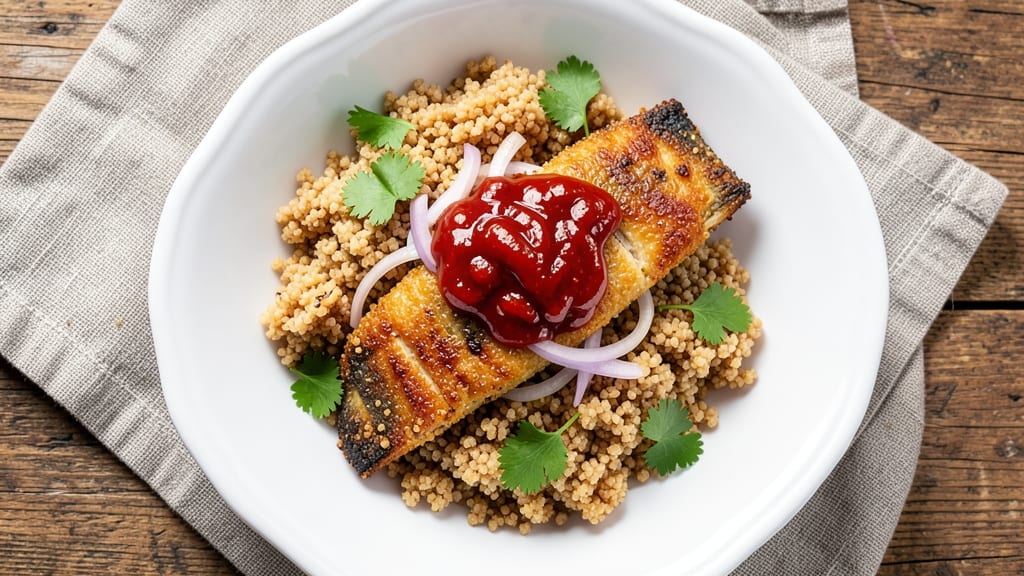
This rava fried fish recipe delivers the perfect balance of crispy semolina crust and juicy, tender fillets—a dish that bridges traditional South Asian flavors with modern adaptability. The secret lies in the rava (semolina) batter, which creates a golden, crunchy exterior while keeping the fish moist inside.
I developed this recipe after years of testing, ensuring the coating stays crispy without absorbing too much oil, and the fillets remain perfectly cooked through.
The beauty of this dish is its versatility—whether you're serving it at a family gathering or a casual weeknight dinner, the technique remains the same. The batter is simple yet effective, using basic pantry staples like rava, flour, and spices to create a flavorful crust.
For those avoiding gluten, you can easily substitute the flour with a gluten-free alternative without compromising texture. The key is patience: letting the batter rest for 10 minutes ensures it adheres perfectly to the fish.
By the time you serve this dish, you’ll have golden-brown fish with a crispy, fragrant crust that shatters slightly with each bite, revealing the juicy, flaky fillets beneath. The aroma of the spices—cumin, turmeric, and red chili—fills the kitchen, making it impossible to resist.
Pair it with lemon wedges, a mint chutney, or a simple cucumber salad to complete the meal. This recipe is a game-changer for anyone who loves restaurant-quality fried fish at home.
What sets this dish apart is its balance of tradition and simplicity. While it’s rooted in South Asian cuisine, the method is foolproof and adaptable, making it perfect for both beginners and experienced cooks.
The result is a dish that’s not only delicious but also impressive enough to serve to guests. Let’s get started on creating your own crispy, juicy masterpiece.
Ingredients for rava fried fish
Pantry staples meet golden crust perfection—just 12 ingredients for restaurant-style rava fried fish.
| Ingredient | Amount | Notes |
|---|---|---|
| White Fish Fillets 🐟 | 1 ½ lb | Cod, tilapia, or mahi-mahi preferred |
| Semolina (Rava) 🌾 | ¾ cup | Fine grind, not coarse |
| All-Purpose Flour 🌾 | ½ cup | Gluten-free blend for GF option |
| Ground Cumin 🌿 | 1 tbsp | Freshly toasted for depth |
| Turmeric Powder 🌶️ | 1 tsp | Bright yellow color indicator |
| Red Chili Powder 🔥 | ½ tsp | Adjust for heat preference |
| Salt 🧂 | 1 ½ tsp | Diamond Crystal preferred |
| Baking Soda 🧪 | ½ tsp | For crispiness boost |
| Cold Water 💧 | ¾ cup | Room temp works too |
| Vegetable Oil 🫒 | 3 cups | High smoke point preferred |
| Lemon Wedges 🍋 | 4 whole | For serving, fresh preferred |
| Fresh Cilantro 🌿 | ¼ cup | Chopped, for garnish |
The fish is your canvas, so choose wisely. Cod or tilapia stay firm enough to handle the batter without falling apart, but mahi-mahi gives that extra juiciness. Pat them bone-dry before dredging—wet fish = soggy crust. For the semolina, Whole Foods or Indian grocery stores carry the finest grind, but the regular grocery store stuff works if labeled 'fine.' The spices? Penzeys or Spicewalla for the best, but basic supermarket brands are fine if they smell fresh. Toast your cumin in a dry pan for 30 seconds before grinding—trust me, it makes all the difference.
No semolina? Cornmeal or fine breadcrumbs work in a pinch, but texture won't be identical. Short on flour? Gluten-free 1:1 blend keeps it crispy. The baking soda is non-negotiable for that signature crunch—skip it and you'll get a dense coating. For oil, vegetable or canola are safest, but peanut oil adds extra flavor. The batter should be thick but pourable—add water 1 tbsp at a time if needed. And if you're gluten-free, check your flour blend's protein content—low-protein = better texture.
This batter keeps for 2 days in the fridge, covered. The fish? Fry within 1 hour of coating or the crust gets soggy. For leftovers, reheat at 350°F for 5 minutes—they won't be as crispy but still delicious. The oil? Strain and reuse once—just keep it below 350°F or it'll break down. Garnish with lemon and cilantro right before serving, or the fish will get soggy. Makes enough for 4 servings with leftovers—perfect for meal prep.
Why You'll Love This Recipe
- No Fuss, No Mess: I swear by this for nights when I’m too tired to measure flour precisely—just mix rava and all-purpose flour in a bowl, pat it on the fish, and fry. The semolina gives that perfect crunch without needing a second batter.
- Packable Magic: Between us, this is my go-to for lunchboxes or office meals. Fry a batch on Sunday, let them cool, and pack them with rice or salad—still crispy enough to make you jealous of your coworkers’ sad sandwiches.
- Pantry Hero: Honestly, I keep this recipe in rotation because it’s cheap, filling, and uses stuff I already have. A few fish fillets, a handful of rava, and spices? That’s a full meal for under $10, and leftovers reheat like a charm.
Step-by-step instructions for crispy semolina-crusted fish
Here's how to create that perfect golden crust while keeping the fillets tender inside.
Prepare the Semolina Batter for Maximum Crispiness
In a medium bowl, combine the 0.75 cup semolina (rava), 0.5 cup all-purpose flour, 1 tbsp ground cumin, 1 tsp turmeric powder, 0.5 tsp red chili powder, 1.5 tsp salt, and 0.5 tsp baking soda. This dry blend is your secret weapon for that signature crunch. Whisk vigorously for 30 seconds to break up any lumps in the semolina - you want a fine, powdery consistency that will create a delicate yet sturdy crust.
In a separate small bowl, mix together the 0.75 cup cold water. The cold water is crucial here - it keeps the batter stable until it hits the hot oil, preventing premature thickening. Pour the water into the dry ingredients and whisk until you achieve a smooth, pourable consistency. The batter should coat the back of a spoon but still flow freely. If it's too thick, add 1 teaspoon cold water at a time until you reach the right texture. This batter should be ready to use immediately - don't let it sit or it will lose its crisping power.
Create the Perfect Crust on the Fish Fillets
Pat the 1.5 lb white fish fillets completely dry with paper towels. Any moisture on the surface will prevent the semolina from adhering properly and will create steam instead of crispiness. Place the fillets on a clean work surface and gently press them to an even ½-inch thickness if they're particularly thick. This ensures even cooking throughout.
Working with one fillet at a time, dip it into the semolina batter, turning to coat all sides completely. Let any excess drip off for 5 seconds before placing it on a wire rack set over a baking sheet. The rack is essential here - it allows air to circulate underneath, preventing soggy bottoms. Repeat with all fillets, working quickly so they don't dry out. The coated fillets should look golden-yellow from the turmeric and uniformly covered with the semolina mixture. This is your visual cue that they're properly prepared for frying.
Fry to Golden Perfection with Temperature Control
Heat 3 cups vegetable oil in a deep skillet or Dutch oven over medium heat until it reaches 350°F. Use a deep-fry thermometer to monitor this carefully - the oil should shimmer gently but not smoke. The right temperature is absolutely critical for that perfect balance of crispy crust and tender fish. If the oil is too hot, you'll burn the crust before the fish cooks through.
Carefully slide the coated fillets into the hot oil, working in batches so you don't overcrowd the pan. Fry for 3-4 minutes per side until the crust turns a deep golden brown color. You'll know it's ready when the crust releases easily from the fish and the internal temperature reaches 145°F at the thickest part. The fish should be opaque throughout with no translucent areas. Don't be tempted to press down on the fillets - this will break the crust. Instead, let the natural buoyancy of the semolina crust do its work.
Rest and Serve with Fresh Accompaniments
Transfer the fried fillets to a paper towel-lined plate to drain any excess oil. Let them rest for 2-3 minutes before serving. This brief resting period allows the crust to set slightly and prevents it from becoming soggy when you add the lemon and cilantro. The contrast between the crispy exterior and tender interior is what makes this dish so special.
Arrange the fillets on a serving platter and garnish immediately with the 4 whole lemon wedges and 0.25 cup chopped fresh cilantro. The bright acidity of the lemon cuts through the richness of the fried fish while the cilantro adds a fresh herbal note. Serve with your favorite dipping sauce or a simple cucumber salad. The key to presentation is to serve immediately while the crust is at its crispest - the texture changes dramatically after just 5 minutes off the heat.
Pro Tips For Making Rava Fried Fish
- CRACK THE FISH FIRST: Pat the fillets dry with paper towels—this isn’t just about crispiness, it’s about the rava sticking. Wet skin = soggy coating. I learned this after my first batch turned out like fish in a sauna instead of a crunchy masterpiece.
- DON’T SKIP THE DOUBLE DREDGE: First coat with flour (shake off excess), then dip in beaten egg, then press the rava firmly onto the fish. The rava needs to cling like armor—if you just sprinkle it, it’ll slide off when frying. I used to rush this, and my rava crust would disintegrate like sand in water.
- WATCH THE OIL TEMP: Medium-high heat is key—too low and the rava turns greasy, too high and it burns before the fish cooks. Test with a pinch of rava: if it sizzles and browns in 30 seconds, you’re golden. I burned two batches before I got this right—now I keep a thermometer handy (around 350°F/175°C).
- UPGRADE WITH A PINCH OF ASAFOETIDA: Yes, it’s strong, but a tiny pinch (¼ tsp) in the flour mix adds depth that ground cumin alone can’t. My grandmother used it, and while it’s an acquired taste, the flavor complexity is worth it—just don’t overdo it, or you’ll regret it.
Flavor customization for rava fried fish
Spice Level Control
The original recipe calls for 0.5 tsp red chili powder, but you can easily adjust this to suit your heat tolerance. For a mild version, reduce to ¼ tsp and add ½ tsp sweet paprika for color without heat.
For a medium kick, keep the 0.5 tsp but toast the chili powder in a dry pan for 30 seconds to deepen the flavor.
For spicy lovers, increase to 1 tsp and add ½ tsp cayenne pepper—this creates a fiery crust that pairs perfectly with cooling mint chutney. 🌶️
Herb Variations
Swap out the ground cumin for other aromatic spices to change the flavor profile completely. Try 1 tsp coriander powder for a citrusy note that pairs beautifully with lemon wedges. For a smoky twist, replace half the cumin with ½ tsp smoked paprika.
I also love adding ½ tsp fennel seeds, lightly toasted and ground, for a licorice-like depth that complements the semolina perfectly. 🌿
Crust Texture Adjustments
Want a lighter crust>? Replace 0.25 cup of the semolina with 0.25 cup crushed cornflakes—they add airiness while keeping the crunch. For a thicker, breadcrumb-style coating, mix in 0.25 cup panko breadcrumbs with the semolina.
To make it extra crispy, add 1 tbsp rice flour to the batter—it creates a shatteringly thin crust that’s addictive. The key is balancing these additions with the baking soda; reduce it to ¼ tsp if using extra crisping agents. ✨
Flavor Infusions
Elevate the batter with unexpected flavor boosters. Stir in 1 tbsp finely grated ginger or 1 tsp garlic powder for an umami punch. For a tropical twist, add ½ tsp ground cardamom—it pairs surprisingly well with the semolina’s nuttiness.
I also love a pinch of black pepper (about ¼ tsp) to cut through the richness. These additions work best when toasted or freshly ground for maximum impact. 💫
Gluten-Free Adaptations
For a fully gluten-free version, replace the all-purpose flour with a 1:1 gluten-free baking blend like Bob’s Red Mill. Add 1 tbsp xanthan gum to improve binding. For extra crispiness, use ½ cup almond flour instead—it adds a subtle nutty flavor.
The semolina itself is naturally gluten-free, so the texture remains intact. Just ensure your oil is 100% gluten-free certified if avoiding cross-contamination. 💪
Regional Twists
In South Indian homes, this dish often includes ½ tsp asafoetida (hing) in the batter for a distinct savory depth. For a Goan-inspired version, add ½ tsp kokum powder and a pinch of black salt—the tangy, briny notes are unforgettable.
In Bengali cuisine, a ¼ tsp mustard seeds toasted in the oil before frying adds a signature crunch and aroma. Each regional variation keeps the semolina base but layers in local spices. 🗺️
Nutrition facts
Frequently asked questions
What type of fish works best for this semolina crust?
Firm white fish fillets like cod, tilapia, or mahi-mahi work perfectly—they stay together during frying. Avoid delicate fish like flounder, which may fall apart. For extra juiciness, choose fillets with visible fat marbling. Always pat them bone-dry before coating to ensure maximum crispiness.
Why does my semolina coating turn soggy?
Soggy crusts usually happen from one of three issues: wet fish (never skip patting dry!), overcrowding the pan (fry in batches), or underheated oil (maintain 350°F). Another trick: Let the batter rest for 10 minutes before using—this helps it adhere better. If it still happens, try adding 1 extra tbsp semolina to the dry mix.
Can I make this recipe ahead of time?
You can prep the batter 2 days ahead and store it covered in the fridge. For the fish, coat and freeze unfried fillets on a tray, then transfer to a bag. Fry from frozen, adding 1 extra minute per side—the cold crust will crisp up beautifully. Reheat fried fish at 350°F for 5 minutes to revive crispiness.
What's the secret to extra crispy crust?
Three key factors: baking soda (don't skip it!), high oil temp (350°F), and wire rack frying. For next-level crunch, add 1 tbsp rice flour to the batter and reduce baking soda to ¼ tsp. Also, work quickly—freshly coated fish fries best immediately. The crust should shatter slightly when you cut into it.
How do I adjust for gluten-free or nut-free diets?
Replace the flour with a 1:1 gluten-free blend and add 1 tbsp xanthan gum for binding. For nut-free, skip almond flour and use ½ cup cornmeal instead. Always check oil labels for cross-contamination warnings. The semolina itself is naturally gluten-free and nut-free, so the texture remains intact.