
Beverages
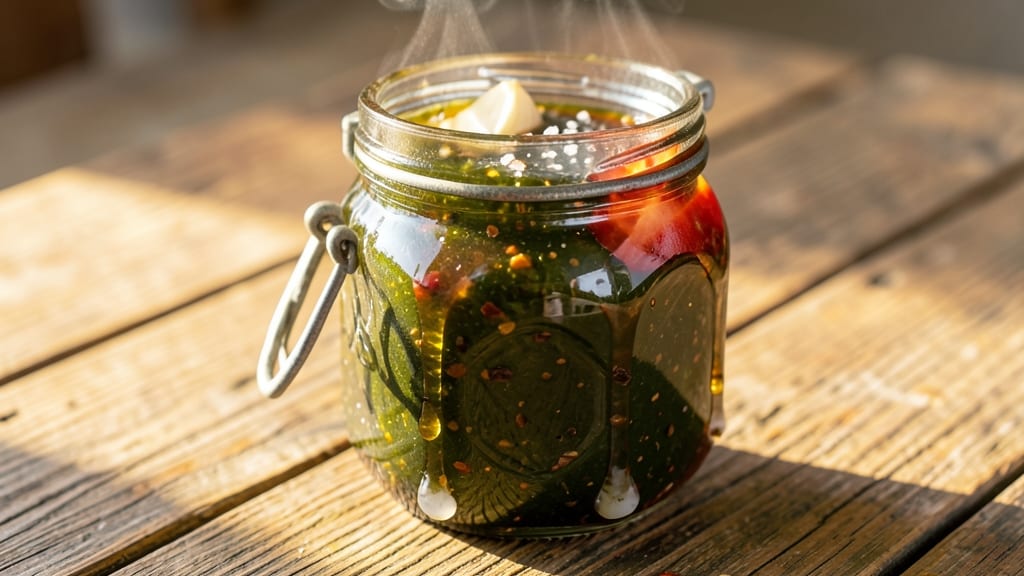
This red and green hot pepper jelly recipe delivers a perfect balance of sweet heat that elevates everything from sandwiches to charcuterie boards. The slow-cooked blend of peppers, fruit base, and spices creates a vibrant jelly with just the right kick—sweet enough to spread, spicy enough to intrigue.
I developed this recipe after years of experimenting with homemade preserves, and it’s become a staple in my kitchen for adding bold flavor to meals.
The process is straightforward but requires patience to achieve that ideal set while preserving the peppers’ fiery depth. You’ll simmer the peppers with fruit (like tomatoes or apples), vinegar, and sugar until the mixture thickens into a glossy, jam-like consistency.
Straining ensures a smooth texture, and proper canning guarantees it stays fresh for months—no artificial preservatives needed. The result is a condiment that’s both functional and impressive, perfect for gifting or keeping on hand.
What makes this jelly truly special is its versatility. Use it as a sandwich spread with sharp cheeses, drizzle it over grilled meats, or serve it alongside cured meats and nuts for a spicy-sweet contrast.
The heat builds gradually, so you can adjust the pepper ratio to suit your taste—whether you prefer a gentle warmth or a full-on kick. Every jar you make will taste like a burst of summer sunshine with a fiery twist.
Ready in about 45 minutes of active prep (plus canning time), this recipe is ideal for weekend projects or holiday gifting. The combination of sweet and spicy creates a condiment that’s as visually striking as it is flavorful, making it a standout addition to any pantry.
Let’s get started on making your own batch—your taste buds will thank you.
Ingredients for red and green hot pepper jelly
Nine ingredients. One fiery-sweet jar. Pantry staples plus a trip to the produce section.
| Ingredient | Amount | Notes |
|---|---|---|
| Red Hot Peppers 🌶️ | 1 ½ cups | Diced, fresh or jarred (packed) |
| Green Hot Peppers 🌶️ | 1 cup | Diced, fresh or jarred (packed) |
| Ripe Tomatoes 🍅 | 2 cups | Chopped, Roma or vine-ripened |
| White Vinegar 💧 | 2 cups | White distilled preferred |
| Granulated Sugar 🍚 | 3 cups | White or light brown |
| Fresh Garlic 🧄 | 2 cloves | Minced, for depth |
| Ground Allspice 🌿 | ½ tsp | For warmth, optional |
| Salt 🧂 | ½ tsp | Kosher or sea salt |
| Lemon Juice 🍋 | 1 tbsp | Freshly squeezed |
The peppers are the heart of this jelly, so pick them fresh if possible—they’ve got the most vibrant color and heat. I usually grab jalapeños or serranos from the grocery store’s fresh produce section, but jarred peppers work too (just drain them well). For the tomatoes, Roma or vine-ripened are ideal—they break down nicely and add natural sweetness. If you’re using jarred peppers, check the label for added salt; you might want to reduce the added salt slightly. The vinegar? White distilled is best—it’s flavor-neutral and lets the peppers shine.
No fresh peppers? Hot pepper flakes or cayenne can add heat, but you’ll lose that sweet, fruity depth. Running short on tomatoes? Apples or pineapple work beautifully—they add natural sweetness and balance the heat. The sugar can be swapped for honey or maple syrup, but it’ll take longer to set. If you’re sensitive to acidity, reduce the lemon juice to half a tablespoon. And if you’re feeling adventurous, add a pinch of smoked paprika for extra complexity—it’s a game-changer.
This jelly keeps for up to a year if canned properly, or 6 months in the fridge once opened. I like to portion it into small jars for gifting—8-ounce jars are perfect. If you’re not canning, store it in the fridge and use within 3 months. The flavor actually improves with age, so make extra if you can. And if you’re worried about heat, taste as you go—the peppers can be adjusted to your spice tolerance.
Why You'll Love This Recipe
- I’ll be real: my garden tomatoes and peppers always outgrow their welcome. This recipe saves me from tossing them by turning them into something useful—plus, the vinegar preserves them for months. Budget-friendly? Absolutely. Practical? Even better.
- Pantry-Friendly Magic: I swear by this recipe because it uses what’s already in my cupboards—no fancy ingredients, just ripe tomatoes, vinegar, and sugar to balance the heat. The peppers’ natural sweetness from the sun-ripened tomatoes cuts through the spice like a cool breeze on a hot day.
- Heat You Control: Between us, I love a good kick—but not the kind that burns out your taste buds. The sugar in this jelly tames the red and green peppers into a slow-building warmth, not an instant shock. It’s the kind of heat that lingers just enough to make you reach for seconds.
- Gift-Worthy in Minutes: Honestly, this jelly is my go-to for hostess gifts or last-minute favors. Jar it up, slap a ribbon on it, and suddenly you’ve got something homemade that’s way more impressive than store-bought. (Yes, even on a Tuesday night.)
Step-by-step instructions for red and green hot pepper jelly
This spicy-sweet jelly comes together with simple steps and bold flavors you'll want to make again.
Prepare and Sterilize Your Jars
Start by washing 4 half-pint mason jars and their lids in hot, soapy water. Place them in a large pot and cover with water. Bring to a boil for 10 minutes to sterilize completely. This ensures your jelly stays fresh for months without spoilage. While the jars sterilize, prepare your peppers and tomatoes.
If using fresh peppers, remove stems and seeds, then finely dice the 1.5 cups red hot peppers and 1 cup green hot peppers. Chop the 2 cups ripe tomatoes into small pieces—this helps release their juices for a smoother jelly. For jarred peppers, drain and rinse them well before dicing. The smaller the pieces, the smoother your finished jelly will be.
Cook the Pepper-Tomato Mixture
In a large, heavy-bottomed pot, combine the diced peppers, tomatoes, 2 cloves minced fresh garlic, 0.5 teaspoon ground allspice, and 0.5 teaspoon salt. Bring to a boil over medium-high heat, then reduce to medium-low heat and simmer uncovered for 20-25 minutes until the mixture softens and reduces by about half.
You'll know it's ready when the peppers and tomatoes break down completely and the mixture becomes thick and syrupy. Stir occasionally to prevent sticking, but don't mash it—you want to preserve some texture. The mixture should smell intensely of peppers and garlic, with a warm, spicy aroma from the allspice.
Strain and Sweeten the Mixture
Line a fine-mesh strainer with a clean cheesecloth or coffee filter. Pour the pepper-tomato mixture through it into a large bowl, pressing gently with a wooden spoon to extract all the liquid. Discard the solids—this straining step ensures your jelly will be smooth and free of seeds or skins.
Return the strained liquid to the pot and stir in the 3 cups granulated sugar and 1 tablespoon freshly squeezed lemon juice. Bring the mixture to a full rolling boil over medium-high heat, stirring constantly to dissolve the sugar completely. Once boiling, reduce heat to medium-low heat and let it boil gently for 30-35 minutes, stirring frequently to prevent scorching.
Test for Gel Setting Point
After 30 minutes of boiling, it's time to test if your jelly has reached the proper gel consistency. Place a small spoonful of the mixture on a chilled plate and refrigerate for 2 minutes. When you push it gently with your finger, it should wrinkle slightly but hold its shape—this is the "gel point." If it runs like syrup, return the pot to the heat and boil for another 5-10 minutes, testing again.
Once it reaches the gel point, remove the pot from the heat and let it cool for 5 minutes. This resting period allows the jelly to thicken slightly before you fill the jars. Skim off any foam that rises to the surface with a spoon—this ensures a clean, professional finish.
Fill Jars and Process for Long-Term Storage
Using a clean funnel, carefully ladle the hot jelly into each of the sterilized jars, filling them to within ¼ inch of the rim. Wipe the rims with a clean, damp cloth to remove any jelly residue, then seal each jar with its sterilized lid. Place the jars into a large pot filled with hot water (they should be covered by at least 1 inch of water). Bring the water to a full boil and process the jars for 10 minutes.
Remove the jars from the water bath and let them cool on a towel-lined counter for 12 hours. You'll hear the lids "pop" as they seal—this is a good sign! Store the sealed jars in a cool, dark place for up to 12 months. The jelly will thicken further as it cools, creating a perfect balance of sweet, spicy, and tangy flavors that pair beautifully with cheeses, meats, or even as a condiment for sandwiches.
Pro Tips For Making Red And Green Hot Pepper Jelly
- ROAST PEPPERS FIRST: Don’t just toss raw peppers into the pot—they’ll make your jelly taste bitter and muddy. Roast them whole over an open flame or in a 400°F oven for 10-15 minutes until charred, then peel off the skins. This step unlocks their natural sweetness and deepens the flavor, especially for those stubborn green peppers that taste like soap otherwise.
- PULSE TOMATOES COARSELY: Skip the food processor if you want a jelly that isn’t gloppy. Hand-chop ripe tomatoes into rough chunks (no smaller than ¼-inch) before simmering, or pulse them just 3-4 times in a food processor. Finer textures turn jelly into jam, and this recipe needs that bright, chunky texture to balance the heat.
- TEST HEAT BEFORE ADDING SUGAR: Your jelly will either turn out like syrup or like candy if you don’t nail the sugar addition. Bring the pepper-tomato mix to a full, rolling boil (212°F) for 10 straight minutes before slowly whisking in the sugar. If you add it too early, the sugar won’t dissolve properly, and your jelly will crystallize like sad rock candy.
- STIR CONSTANTLY FOR 20 MINUTES: I learned this the hard way—walking away for even five minutes means scorched sugar on the bottom. Once the sugar is dissolved, stir vigorously every 2-3 minutes with a wooden spoon, scraping the sides of the pot religiously. The first 20 minutes of simmering are when the magic (or the disaster) happens.
Flavor customization for these flavors
Sweet Heat Balance
Adjust the sugar-to-pepper ratio to control the sweetness and heat. For a milder jelly, reduce the 1.5 cups red peppers to 1 cup and add ½ cup extra sugar.
If you crave more heat, swap in ½ cup cayenne pepper flakes during the simmering phase—this adds smoky depth without altering the texture. I’ve found that 1:1 sugar-to-pepper ratio works best for a balanced flavor, but taste as you go! 🌶️
Fruit Swaps
Swap tomatoes for pineapple or mango to add tropical sweetness that contrasts beautifully with the peppers. Use 2 cups diced pineapple or 1½ cups puréed mango in place of tomatoes, then reduce the sugar to 2½ cups since these fruits are naturally sweeter.
For a tangier twist, try cranberries—simmer 1 cup fresh cranberries with the peppers for a bold, tart-sweet jelly perfect for holiday gifting.
Herb Infusions
Add 1 tablespoon fresh thyme or rosemary during the initial simmer to introduce earthy notes that complement the peppers. For a citrusy kick, zest 1 lemon and add it to the strained liquid before boiling.
I love infusing the jelly with ½ teaspoon ground coriander for a Middle Eastern-inspired warmth. Remove herbs before straining to avoid bitterness.
Smoky Depth
For a smoky profile, add 1 teaspoon smoked paprika or ½ teaspoon liquid smoke to the pepper-tomato mixture during the initial simmer. This works especially well if you’re using jarred peppers, as the smokiness blends seamlessly with the sweetness.
I’ve also experimented with ½ cup chipotle peppers in adobo sauce (finely chopped) for a deeper, charred heat—simmer them with the other peppers for 10 minutes before straining.
Spice Level Boost
For an extra kick, add 1-2 drops of hot sauce (like Tabasco) or ½ teaspoon red pepper flakes during the final 5 minutes of boiling. This intensifies the heat without overpowering the sweetness.
If you’re feeling adventurous, try 1 teaspoon habanero powder—it adds a fruity, fiery punch. Always taste as you go, as heat can intensify as the jelly cools.
Flavor Layering
Layer flavors by adding 1 teaspoon apple cider vinegar or ½ teaspoon vanilla extract during the final boil. The vinegar brightens the jelly, while the vanilla adds a subtle sweetness that rounds out the heat.
For a savory twist, stir in 1 teaspoon Worcestershire sauce during the last 10 minutes of boiling—this works surprisingly well with cured meats. The key is balance, so adjust to your taste.
Nutrition facts
Frequently asked questions
Can I use jarred peppers instead of fresh?
Yes! Jarred peppers work perfectly—just drain and rinse them well before dicing. For the best texture, choose peppers packed in water or vinegar (not oil) and avoid those with added salt. The flavor will be slightly milder than fresh, but the jelly still turns out vibrant and spicy. If using jarred, reduce the added salt in the recipe by ¼ teaspoon.
How do I know when the jelly is done?
The jelly is ready when it reaches the gel point: spoon a bit onto a chilled plate and refrigerate for 2 minutes. It should wrinkle when pushed gently with your finger, not run like syrup. If it’s too thin, boil for another 5-10 minutes and test again. Patience here ensures a perfect set!
Can I adjust the spice level?
For milder heat, reduce the red peppers to 1 cup and add ½ cup extra sugar. For extra kick, swap ½ cup cayenne flakes for some of the green peppers during simmering. Always taste as you go—the heat intensifies as the jelly cools.
What can I do with leftover jelly?
This jelly is incredibly versatile! Spread it on grilled cheese sandwiches, drizzle over charcuterie boards, or use as a glaze for roasted meats. It also pairs beautifully with sharp cheeses like cheddar or goat cheese, or even as a sweet-savory dip for crackers or pretzels. The possibilities are endless!
How long does homemade jelly last?
Properly canned jelly stays fresh for up to 12 months in a cool, dark pantry. Once opened, store it in the fridge for 3-4 months. The flavor actually improves over time, so make extra! If you’re not canning, keep it refrigerated and use within 3 months. Always check for proper sealing before storing.