
Tips
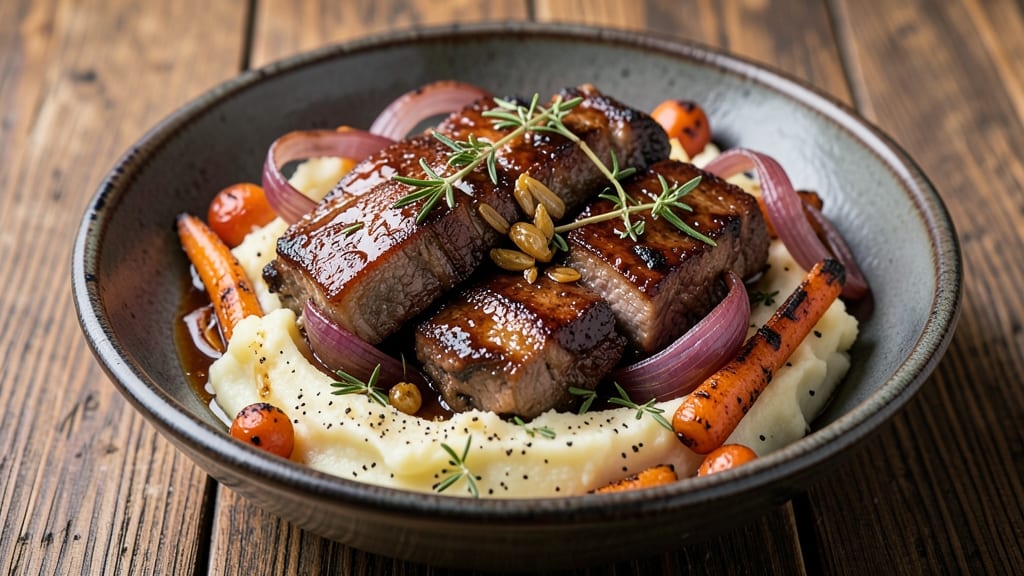
Replacing red wine in recipes requires non-alcoholic swaps like grape juice, balsamic vinegar, or pomegranate juice to mimic acidity, depth, and richness while preserving flavor balance. Always adjust sweetness or seasoning afterward.
When you’re cooking without alcohol, the challenge isn’t just about replacing the liquid—it’s about capturing the complexity that red wine brings. Grape juice works best in sauces where you want subtle sweetness and body, while balsamic vinegar delivers that tangy backbone in slow-cooked dishes.
For dishes needing depth without sweetness, pomegranate juice or even a splash of black tea> (simmered with spices) can mimic the earthy notes wine adds. The key is layering: start with a small amount, taste, and adjust—because what you’re really replacing is the harmony of acidity, richness, and structure.
Don’t overlook umami-rich swaps like coconut aminos or soy sauce for Asian-inspired recipes, where wine often bridges sweet and savory. Red wine vinegar> (yes, even the alcoholic kind) can be used sparingly in deglazing—just reduce the liquid first to concentrate the flavor.
And remember: if your substitute is sweeter than wine, balance it with a pinch of salt or a squeeze of lemon to restore equilibrium. Precision here makes all the difference.
💡 In This Article
- How Acidicity and Tannins Shape Red Wine’s Flavor Role
- Best Non-Alcoholic Red Wine Substitutes by Dish Type
How acidicity and tannins shape red wine’s flavor role
Red wine’s magic in cooking comes from its acidity and tannins, two chemical compounds that work together to create depth and structure. The acidity—primarily from malic and tartaric acids—brightens flavors and prevents dishes from tasting flat.
For example, a Cabernet Sauvignon typically has a pH of 3.2-3.8, similar to lemon juice, which cuts through rich ingredients like meat or chocolate. Meanwhile, tannins (polyphenolic compounds) create that dry, mouth-puckering sensation that binds with proteins, adding complexity to sauces and braises.
The alcohol in wine (around 12-15%) also plays a crucial role—it evaporates during cooking, leaving behind concentrated flavors while adding a subtle richness. This is why a wine-based sauce tastes more layered than one made with just water.
For instance, when you deglaze a pan with wine, the alcohol helps dissolve fond (browned bits), while the acidity brightens the resulting sauce. Without these elements, a dish can feel one-dimensional, lacking the balance that wine provides.
When comparing substitutes, the pH levels tell the story. Balsamic vinegar (pH 2.5-3.0) mimics wine’s acidity but lacks tannins, so it’s better for braises where structure isn’t critical. Grape juice (pH 3.2-3.8) offers sweetness and acidity but no tannins, making it ideal for sauces where richness is key.
Meanwhile, pomegranate juice (pH 3.0-3.5) adds both acidity and a hint of tannic dryness, though its sweetness requires balancing with salt or citrus. The challenge is replicating the three-part harmony of acid, tannin, and alcohol—something no single substitute does perfectly.
Here’s what’s actually happening on a molecular level: Tannins bind to proteins in meat, creating a velvety texture and reducing perceived greasiness. This is why a wine-braised steak feels more refined than one cooked with water.
Meanwhile, acidity (like that in wine or vinegar) lowers the pH of a dish, which helps emulsify fats—think of how a vinaigrette stays stable. Without this chemistry, sauces can separate or taste dull.
For example, a 1:1 swap of grape juice for wine in a reduction will add sweetness but may lack the structural bite of the original.
To compensate, chefs often layer substitutes. A splash of red wine vinegar (for acidity) combined with a pinch of instant coffee granules (to mimic tannins) can approximate wine’s complexity in a sauce. The key is understanding which component you’re prioritizing: acidity for brightness, tannins for structure, or alcohol for depth.
In a slow-cooked dish like beef bourguignon, the wine’s tannins help tenderize the meat, while its acidity prevents the sauce from becoming cloying. Without these, the dish risks feeling heavy or flat.
For a concrete example, consider a classic coq au vin. The wine’s acidity cuts through the richness of the chicken and mushrooms, while its tannins add a subtle astringency that enhances the dish’s depth.
A substitute like grape juice would add sweetness but miss the tannic backbone, so you’d need to balance it with a squeeze of lemon or a dash of black tea (for tannins). The result? A dish that’s still flavorful but lacks the wine’s signature complexity. 💫
The takeaway? Red wine’s role in cooking isn’t just about liquid—it’s about chemistry. Acid brightens, tannins structure, and alcohol deepens. When replacing it, you’re not just swapping ingredients; you’re recreating a flavor ecosystem.
Start with the right substitute for your dish’s needs, then adjust with acid, salt, or umami to bridge the gap. That’s how you keep the magic alive.