
Main Courses
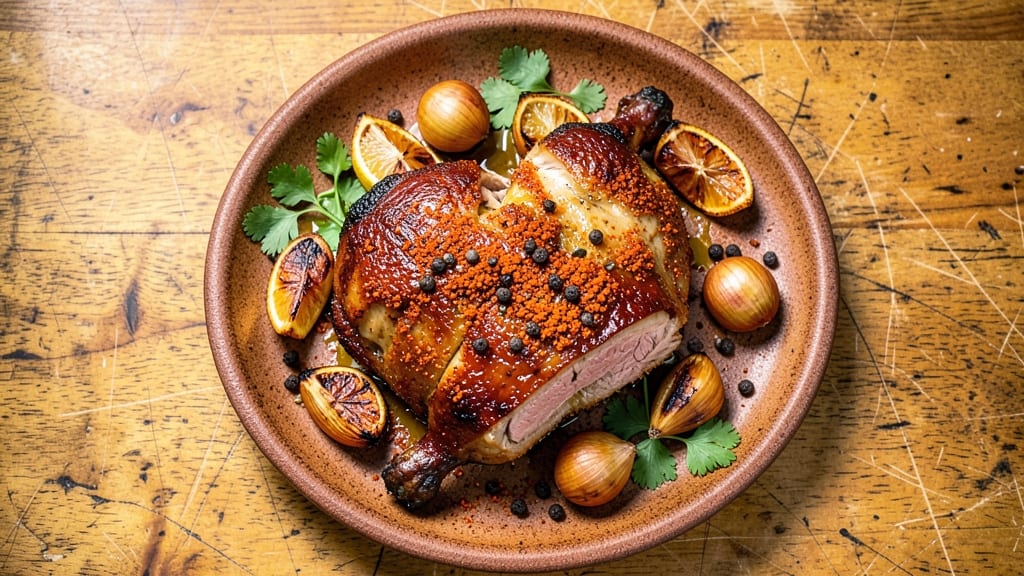
This roasted goat recipe delivers tender, smoky-spiced leg pieces with perfectly crispy edges that transform any meal into a celebration. After years of perfecting the technique, I've developed a method that ensures juicy meat with a flavorful crust every time—no guesswork involved.
The secret lies in a precise balance of spices and slow roasting that renders fat while keeping the interior moist.
What sets this recipe apart is the smoky-spice blend that penetrates the meat without overpowering its natural richness. You'll start with a dry rub of cumin, coriander, and smoked paprika, then finish with a quick sear in a hot oven to lock in those crispy edges.
The cooking process is straightforward but requires patience—about 2.5 hours at 300°F—where the goat becomes fork-tender while developing deep, caramelized flavors.
By the time you pull it from the oven, you'll have crispy, golden-brown edges that shatter with each bite, revealing tender meat beneath. The aroma alone will have everyone gathering at the table, and the flavor profile—smoky, slightly sweet, and rich—makes this dish unforgettable.
Serve with warm flatbread or roasted vegetables to complete the experience.
This recipe is designed for those who appreciate restaurant-quality results at home, with minimal effort beyond the initial prep. Whether you're hosting a dinner party or simply craving something special, these smoky-spiced goat pieces will impress without requiring advanced skills.
Let's get started on creating a dish that tastes like it belongs on a fine-dining menu.
Ingredients for roasted goat
Six pounds of goat leg pieces transform into restaurant-quality bites with this smoky-spice blend.
| Ingredient | Amount | Notes |
|---|---|---|
| Goat Leg Pieces 🐐 | 4 lb | Bone-in, cut into 2-inch pieces |
| Extra-Virgin Olive Oil 🫒 | ½ cup | High-quality, fruity variety |
| Ground Cumin 🌿 | 2 tbsp | Toasted for deeper aroma |
| Ground Coriander 🌿 | 1 ½ tbsp | Freshly ground preferred |
| Smoked Paprika 🌶️ | 2 tbsp | High-quality smoked variety |
| Garlic Powder 🧄 | 1 ½ tbsp | Freshly ground preferred |
| Kosher Salt 🧂 | 1 ½ tbsp | Diamond Crystal preferred |
| Black Peppercorns 🌶️ | 1 tbsp | Freshly cracked |
| Fresh Rosemary 🌿 | ¼ cup | Chopped, fresh preferred |
| Fresh Thyme 🌿 | ¼ cup | Leaves only, fresh preferred |
| Honey 🍯 | 2 tbsp | Raw, unprocessed preferred |
| Apple Cider Vinegar 🍎 | 1 tbsp | For marinade balance |
The goat leg pieces are the foundation—look for bone-in cuts with good marbling for maximum flavor. Local butchers or specialty markets often carry the best quality, though major grocery chains like Whole Foods or Costco stock them seasonally. The pieces should be roughly 2 inches in size, ensuring even cooking and crispy edges. Freshly ground spices elevate the dish significantly; Penzeys Spices or bulk bins at natural food stores are ideal sources. The smoked paprika should have a rich, deep hue—avoid any that appear dull or past their prime.
No smoked paprika? Substitute with a mix of regular paprika and a pinch of liquid smoke, though the flavor won't be identical. Fresh rosemary and thyme are non-negotiable for this recipe—they provide the aromatic backbone. Dried herbs can be used at half the amount, but fresh delivers a brighter, more complex flavor. The honey and apple cider vinegar create a balanced glaze; substitute maple syrup for honey if needed, but avoid artificial sweeteners. For the olive oil, avoid light or refined varieties—opt for extra-virgin with noticeable fruitiness. The spices should be toasted lightly in a dry pan before applying to enhance their aromatic compounds.
Store the goat pieces in the coldest part of your fridge, wrapped in parchment paper, for up to 3 days before roasting. The spice blend can be pre-mixed and stored in an airtight container for up to 2 weeks, though freshly ground spices always yield superior results. Once roasted, the goat keeps well in the refrigerator for 4-5 days, though it reheats best when served within 2 days. For longer storage, portion into airtight containers and freeze for up to 3 months. Reheat gently in a skillet or oven to maintain crispiness.
Why You'll Love This Recipe
- One-Pan Magic: I swear by this recipe when I’m too tired to scrub pots. Toss the goat pieces with olive oil, cumin, and coriander, then let the oven do the work—no flipping, no fuss. The paprika gives it that smoky depth without extra effort.
- Flavor Bomb: That first bite? Rich, tender meat with a crust so flavorful you’ll forget it’s just goat. The cumin and smoked paprika marry perfectly, while the olive oil keeps it juicy. (Yes, even my picky husband asks for seconds.)
- Weeknight or Party: Same recipe, different vibes. Serve it with flatbread for a quick weeknight dinner or platter it with roasted veggies for guests. The leftovers? Even better reheated—just add a splash of water and let it crisp back up.
- Budget-Friendly Luxury: Goat is often cheaper than beef or chicken, and this method stretches it far. A single leg feeds four, and the spices cost pennies. Honestly, it’s the kind of dish that makes frugal cooking feel indulgent.
Step-by-step instructions for smoky-spiced goat leg pieces
Mastering this technique guarantees tender meat with perfectly crispy edges every time.
Prepare the Spice Rub and Marinade
In a large bowl, combine the 0.5 cup extra-virgin olive oil, 2 tbsp ground cumin, 1.5 tbsp ground coriander, 2 tbsp smoked paprika, 1.5 tbsp garlic powder, 1.5 tbsp kosher salt, and 1 tbsp freshly cracked black peppercorns. Mix thoroughly until the spices are evenly distributed and the oil takes on a rich, aromatic hue.
Add the 0.25 cup chopped fresh rosemary, 0.25 cup fresh thyme leaves, 2 tbsp honey, and 1 tbsp apple cider vinegar to the spice mixture. Stir well to incorporate all ingredients completely. The vinegar will help tenderize the meat while balancing the sweetness of the honey, creating a complex marinade base.
Coat and Rest the Goat Leg Pieces
Pat the 4 lb goat leg pieces dry with paper towels to remove any excess moisture. This step is critical for achieving crispy edges—wet surfaces prevent proper browning. Place the goat pieces in a single layer in a large baking dish or resealable plastic bag.
Pour the spice marinade over the goat pieces, ensuring each piece is thoroughly coated. Use your hands to massage the marinade into the meat, pressing firmly to help the spices adhere. Cover the dish or seal the bag and refrigerate for at least 4 hours, or preferably overnight. This resting period allows the flavors to penetrate deeply and the meat to develop its signature tenderness.
Preheat and Arrange for Roasting
Preheat your oven to 425°F. Line a large rimmed baking sheet with aluminum foil for easy cleanup. Arrange the marinated goat pieces in a single layer on the prepared baking sheet, leaving about 1 inch of space between each piece. This spacing ensures even browning and allows heat to circulate properly around each piece.
Let the goat pieces sit at room temperature for 20-30 minutes before roasting. This step is often overlooked but essential—cold meat cooks unevenly, leading to tough edges. You'll know they're ready when they feel slightly warm to the touch. The marinade should look glossy and well-distributed, promising a flavorful crust.
Roast Until Crispy and Tender
Place the baking sheet in the preheated oven and roast the goat pieces for 25 minutes. After this initial period, flip each piece and continue roasting for another 25 minutes. The high heat will create a deep golden-brown crust on the edges, while the interior remains tender and juicy.
Check for doneness by inserting a meat thermometer into the thickest part of a piece—it should read 145°F for medium doneness. If the edges aren't crispy enough after 50 minutes, return the sheet to the oven for an additional 5-10 minutes, rotating the pieces halfway through. The crust should be firm to the touch and release easily from the meat when gently prodded.
Rest and Serve with Confidence
Transfer the roasted goat pieces to a cutting board or platter and let them rest for 10-15 minutes before serving. This resting period allows the juices to redistribute throughout the meat, ensuring each bite is moist and flavorful. Tent loosely with aluminum foil to keep them warm during this time.
Slice the goat pieces against the grain for maximum tenderness, and serve immediately. The exterior should be crispy with a smoky aroma, while the interior remains juicy and infused with the spice rub. Pair with a fresh herb salad or crusty bread to complement the rich flavors of this dish.
Pro Tips For Making Roasted Goat
- CRANK THE HEAT FIRST: Roast goat at 450°F (230°C) for the first 20 minutes—this sears the exterior fast and locks in juices before the meat renders down. After that, drop to 325°F (165°C) to finish cooking evenly. I learned this the hard way when my first batch turned out dry because I played it too safe with low heat from the start.
- SALT THE GOAT 24 HOURS EARLY: Generously coat the goat pieces with salt (about 1 teaspoon per pound) and let them sit uncovered in the fridge overnight. This breaks down the tough fibers and ensures the meat stays moist. Trust me, skipping this step means you’ll end up gnawing through chewy pieces instead of sinking your teeth into tender meat.
- DON’T OVERCROWD THE PAN: Give each goat piece at least 1 inch of space on the tray—crowding steams the meat instead of browning it. If you’re working with a big batch, roast in two rounds. I used to jam everything in there for convenience, and the result was sad, pale, and unevenly cooked.
- UPGRADE WITH GARLIC AND LEMON: Toss the goat with minced garlic (about 6 cloves) and a splash of lemon juice (2 tablespoons) alongside the spices—it brightens the dish and cuts through the richness. I was skeptical until I tried it, and now it’s non-negotiable for me. The extra effort takes 2 minutes but makes a real difference.
Perfect pairings for this recipe
Side Dish Harmony
Warm, crusty Moroccan flatbread is my go-to pairing—its soft texture and subtle sweetness contrast beautifully with the goat's smoky depth. Brush each piece with garlic-infused olive oil and toast in a skillet for 30 seconds per side until golden.
For extra flair, sprinkle with toasted sesame seeds and a pinch of flaky sea salt. 🥖
Roasted Mediterranean vegetables like eggplant, zucchini, and bell peppers add vibrant color and freshness. Toss them in lemon juice, olive oil, and oregano, then roast at 400°F for 25 minutes. The acidity cuts through the richness of the goat while adding a bright, herbal note.
Fresh Herb Salads
A cucumber-mint salad with Persian cucumbers, fresh mint, and lemon vinaigrette provides a refreshing counterpoint. Thinly slice 1 large cucumber and toss with ¼ cup chopped mint, 2 tbsp olive oil, 1 tbsp lemon juice, and ½ tsp salt.
The cool, crisp flavors balance the smoky heat perfectly.
For a more robust option, try a shredded cabbage salad with red and green cabbage, apple slices, and a Dijon mustard dressing. The slight tang and crunch elevate the dish without overpowering it.
Beverage Pairings
Iberian red wines like Tempranillo or Monastrell complement the dish's smoky, spiced profile beautifully. Their earthy notes and moderate tannins harmonize with the goat's richness. For a lighter option, a Spanish white like Albariño offers crisp acidity that cleanses the palate between bites. 🍷
For beer lovers, a Belgian witbier with its citrusy and spicy notes works wonders. Brands like Hoegaarden or Stella Artois Wit provide a refreshing contrast to the dish's bold flavors. Avoid heavy stouts or IPAs that might compete with the spices.
Dipping Sauces
A yogurt sauce with Greek yogurt, minced garlic, lemon juice, and fresh dill adds a cooling, creamy element. Mix 1 cup yogurt with 1 minced garlic clove, 1 tbsp lemon juice, and 2 tbsp chopped dill. Serve chilled for the best texture and flavor.
For a tangier option, try a harissa-yogurt dip by blending ½ cup yogurt with 1 tbsp harissa paste and a pinch of smoked paprika. The heat from the harissa mirrors the spices in the goat, creating a cohesive flavor experience.
Nutrition facts
Frequently asked questions
Can I use goat shoulder instead of leg pieces for this recipe?
The recipe is designed for goat leg pieces because they yield tender, flavorful meat with crispy edges. Shoulder pieces are leaner and more prone to drying out during roasting. If you must substitute, cut the cooking time by 10-15 minutes and use a meat thermometer to check for doneness at 140°F instead of 145°F.
How do I store leftovers to keep them crispy?
Let the roasted goat cool completely, then store in an airtight container with parchment paper between layers. Reheat in a 350°F oven for 10-15 minutes until warmed through. For extra crispiness, broil for 2-3 minutes at the end. Avoid microwaving—it makes the edges soggy.
What’s the best way to tenderize goat meat before roasting?
The marinade in this recipe (honey + apple cider vinegar) does most of the work! For extra tenderness, pound the meat lightly with a meat mallet before applying the rub. The 4-hour minimum marinating time is crucial—it breaks down connective tissue naturally. Never skip this step for tougher cuts.
Can I make this recipe in a slow cooker instead of the oven?
While possible, the oven method creates the signature crispy edges this recipe is known for. For a slow cooker version, use low heat for 6-8 hours with 1 cup broth added halfway to prevent drying. The meat will be tender but lack the caramelized crust. Add crispiness by searing in a hot skillet before serving.
Why did my roasted goat turn out dry?
Overcooking is the #1 cause. Use a meat thermometer—goat is done at 145°F. Other culprits: skipping the resting period or not patting the meat dry before seasoning. For extra moisture, add 1 cup chicken broth to the baking pan during roasting.