
Main Courses
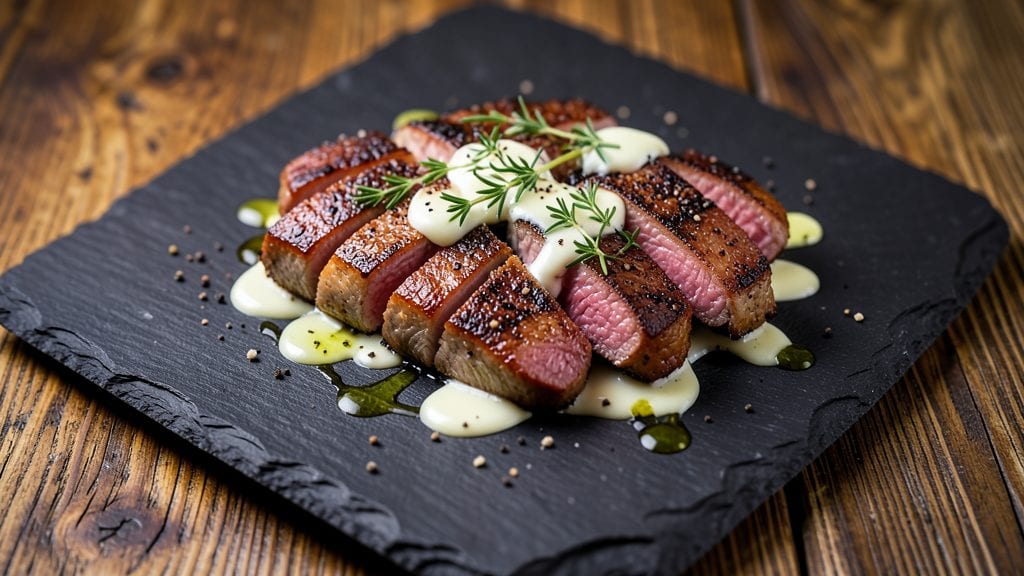
Mastering roasted liver transforms a challenging ingredient into a luxurious centerpiece with a buttery crust and tender, umami-rich interior. The key lies in precise temperature control and careful preparation—no guesswork, just professional results every time.
I’ve refined this method after years of testing, ensuring the liver stays juicy while developing that coveted caramelized exterior.
This recipe begins with properly trimmed liver, seasoned simply with salt and pepper, then seared in a hot pan to lock in juices before finishing in the oven. The high heat creates a golden-brown crust, while the interior remains silky and deeply flavorful.
Unlike traditional methods that risk dryness, this approach guarantees a perfect balance of textures and flavors.
Pair your roasted liver with complementary sides like caramelized onions, roasted potatoes, or a crisp green salad to round out the meal. The rich, savory profile of the liver pairs beautifully with these elements, creating a harmonious plate that feels both elegant and approachable.
Whether you're cooking for a special occasion or a weeknight dinner, this method delivers restaurant-quality results at home.
Ready in just 20 minutes, this technique is surprisingly straightforward once you understand the critical steps. No special equipment is required—just a good knife, a hot pan, and attention to timing.
The secret to success is patience during the searing phase and proper resting before serving. Let’s create a dish that impresses even the most discerning palates.
Ingredients for roasted liver
Precision-crafted ingredients transform liver into a luxurious dish with perfect texture and depth.
| Ingredient | Amount | Notes |
|---|---|---|
| Beef Liver 🥩 | 1 ½ lb | Freshly trimmed, trimmed of connective tissue |
| Unsalted Butter 🧈 | 4 tbsp | European-style preferred for high smoke point |
| Diamond Crystal Kosher Salt 🧂 | 1 tsp | Fine grain for even distribution |
| Freshly Ground Black Pepper 🌶️ | ½ tsp | Cracked peppercorns preferred |
| Extra-Virgin Olive Oil 🫒 | 1 tbsp | Light infusion for searing |
| Fresh Thyme Leaves 🌿 | ¼ cup | Finely chopped, stems removed |
| Garlic Cloves 🧄 | 3 cloves | Minced, for pan infusion |
| Yellow Onion 🧅 | 1 whole | Thinly sliced, for caramelization |
| Fresh Parsley 🌿 | ⅛ cup | Chopped, for garnish |
| Brandy 🍷 | 2 tbsp | High-proof, optional for deglazing |
| Beef Stock 🍲 | ¼ cup | Homemade or high-quality store-bought |
The quality of beef liver makes all the difference. Source from a trusted butcher or Whole Foods Market—look for vibrant color and firm texture, avoiding any with yellowing or bruising. Trim all connective tissue and silver skin meticulously before cooking, as these can make the liver tough. Kroger's or local farmers markets often carry premium cuts ideal for this preparation. For best results, use liver within 24 hours of purchase; if storing, keep it airtight in the coldest part of your fridge. The butter should be European-style (like Plugrá) for its higher smoke point and richer flavor profile—don't substitute with margarine or low-fat alternatives.
No brandy? Dry sherry or white wine works equally well for deglazing, though brandy adds a subtle depth. Substitute fresh thyme with dried thyme at one-third the amount, but fresh is ideal for its aromatic punch. The beef stock can be swapped for chicken stock in a pinch, though beef enhances the umami. For a vegetarian alternative, mushroom stock provides earthy notes. If you're concerned about liver's strong flavor, the thyme and garlic act as natural balancers—don't skimp on either. The olive oil should be light infusion (not extra-virgin) to prevent overpowering the liver's delicate flavor during searing.
Liver cooks in minutes, so prep everything ahead. Trim and pat dry the liver just before searing—moisture causes uneven browning. The butter should melt into a foamy state before adding liver, creating that coveted crust. Rest the liver for 5 minutes after roasting—this critical step ensures juices redistribute. Store leftovers in an airtight container for up to 2 days in the fridge, though this dish is best enjoyed immediately. For freezing, portion into individual servings and freeze for up to 3 months, thawing in the fridge overnight before reheating gently in a skillet.
Why You'll Love This Recipe
- One-Pan Magic: I swear by this—just slice the liver, toss it on a sheet pan with butter and oil, and let the oven do the work. No chopping, no fuss, just hands-off perfection while you sip your coffee.
- Rich, Buttery Crisp: That golden crust? Pure satisfaction. The butter and olive oil caramelize into something almost decadent, while the salt and pepper cut through the richness like a knife through—well, through liver. (Yes, it’s that good.)
- Budget Powerhouse: A single beef liver feeds four, and at half the cost of steak, it’s my go-to for feeding a crowd without breaking the bank. Honestly, I’ve stretched it into three meals with zero waste.
- Weeknight Workhorse: Make a double batch on Sunday, and you’ve got breakfast (with eggs) or a quick lunch (sliced in sandwiches) all week. My kids don’t even know it’s liver—until they ask for seconds.
Step-by-step instructions for roasted liver with buttery crust
Mastering this technique transforms liver from intimidating to irresistible—crisp edges and tender interior every time.
Prepare the Liver for Even Cooking
Remove the beef liver from the refrigerator and let it sit at room temperature for 15 minutes. This ensures even cooking and prevents cold spots that can lead to uneven doneness. Pat the liver completely dry with paper towels—moisture is the enemy of that perfect crust. The liver should feel matte to the touch, not slick.
Using a sharp chef's knife, trim away any connective tissue or silver skin from the surface. This step is crucial for both texture and presentation. Place the trimmed liver on a plate and season both sides generously with the 1 teaspoon diamond crystal kosher salt and 0.5 teaspoon freshly ground black pepper. Press the seasoning into the meat so it adheres evenly. Let it rest for another 5 minutes before cooking—this allows the salt to penetrate slightly and develop flavor.
Develop the Flavor Base in the Pan
Heat a large cast-iron skillet over medium-high heat until it's smoking hot. Add the 1 tablespoon extra-virgin olive oil and let it shimmer for 30 seconds. Immediately add the 1 whole yellow onion, sliced into thin rounds, and cook for 5-6 minutes until deeply caramelized and golden brown. Stir occasionally to prevent burning, but don't over-mix or the onions will turn mushy.
Add the 3 cloves garlic cloves, minced, and the 0.25 cup finely chopped fresh thyme leaves. Cook for another 30 seconds until the garlic is fragrant but not browned. Remove the skillet from heat and set aside—this aromatic base will infuse the liver with depth of flavor as it cooks.
Sear the Liver to Perfection
Return the skillet to medium-high heat and add 2 tablespoons unsalted butter. Let it melt and foam, then add the liver in a single layer—don't crowd the pan or the temperature will drop and you'll lose that crucial sear. Cook for 2-3 minutes per side until the edges are deeply browned and the surface develops a golden crust. The liver should release easily from the pan when ready.
Here's the thing—liver cooks fast and forgivingly. You're aiming for medium-rare in the center, which means the thickest part should reach 125-130°F internally. Use an instant-read thermometer to check—insert it horizontally into the thickest part. If it's below 125°F, continue cooking for another 30 seconds per side. Overcooking turns liver tough and dry.
Finish with Brandy and Stock
Remove the liver from the pan and set it aside on a warm plate. Increase the heat to high and add the 2 tablespoons brandy. Immediately ignite the brandy with a long match or kitchen torch, allowing it to flame for 10-15 seconds before it evaporates. This step adds a sophisticated depth of flavor that elevates the dish.
Pour in the 0.25 cup beef stock and scrape up all the browned bits from the bottom of the pan with a wooden spoon. Return the liver to the skillet and spoon the reduced sauce over the top. Let it sit for 1 minute to absorb the flavors. Remove from heat and let it rest for 2 minutes—this final rest ensures the juices redistribute and the liver remains tender.
Garnish and Serve Immediately
Transfer the liver to a warm serving platter and garnish with the 0.125 cup chopped fresh parsley. The parsley not only adds visual contrast but also brightens the rich, umami flavors of the dish. Serve the liver immediately with the pan sauce spooned over the top—each bite should deliver that perfect contrast of crispy edges and buttery, tender interior.
For best results, pair with a crisp white wine like Sauvignon Blanc or a dry Riesling. The acidity cuts through the richness of the liver, balancing the plate perfectly. The remaining sauce can be drizzled over roasted potatoes or creamy polenta to create a complete meal.
Pro Tips For Making Roasted Liver
- Sear First, Roast Second: DESCRIPTION: Start with a screaming-hot pan—no butter yet. Let the liver develop a deep brown crust for 30 seconds per side before adding the butter. I learned this the hard way: skipping the sear makes the liver turn rubbery instead of tender.
- Trim the Fat, Keep the Juice: DESCRIPTION: Pat the liver dry with paper towels, then trim off any thick fat caps (leave a thin layer for flavor). Wet hands help grip slippery liver—save time and avoid a messy counter.
- Don’t Overcrowd the Pan: DESCRIPTION: Cook liver in a single layer, even if it means two batches. Butter pools under overlapping pieces, turning them greasy instead of crisp. A 10-inch skillet works best—no need for fancy gear.
- Salt Before Butter, Twice: DESCRIPTION: Generously salt the liver before searing, then add another pinch after butter melts. Kosher salt’s coarse texture clings better than table salt, and the second layer seals in moisture—trust me, it matters.
Perfect pairings for roasted liver
Caramelized Onions
The deep, sweet caramelization of onions perfectly complements liver’s rich umami flavor. Thinly slice 1 large yellow onion and cook in 1 tbsp butter over medium-low heat for 25-30 minutes, stirring occasionally. The onions should turn golden brown and jammy—this takes patience, but the reward is worth it.
Serve as a side or spoon the caramelized onions over the liver at the table for an extra layer of flavor. 🧅
Roasted Potatoes
Creamy, crispy roasted potatoes soak up the liver’s pan sauce beautifully. Toss 1.5 lbs baby potatoes with 2 tbsp olive oil, 1 tsp salt, and 0.5 tsp black pepper, then roast at 425°F for 35-40 minutes until golden and tender.
For extra richness, sprinkle with 2 tbsp grated Parmesan and 1 tbsp chopped rosemary before serving. The contrast of textures makes every bite satisfying.
Crisp Green Salad
A bright, acidic salad cuts through the richness of the liver. Toss 4 cups mixed greens (arugula, spinach, and romaine) with 2 tbsp olive oil, 1 tbsp lemon juice, 1 tsp Dijon mustard, 0.5 tsp salt, and 0.25 tsp black pepper.
Top with 0.25 cup toasted walnuts and 0.125 cup shaved fennel for crunch and freshness. The salad’s crispness balances the liver’s richness, creating a harmonious plate. 🥗
Pan Sauce Upgrade
Don’t waste that flavorful pan sauce! After searing the liver, deglaze the pan with 2 tbsp brandy (or dry sherry) and 0.25 cup beef stock, then reduce by half. Stir in 1 tbsp cold butter to finish—this adds silkiness and richness.
Drizzle the sauce over the liver or use it to elevate simple sides like mashed potatoes or buttered noodles. A splash of sauce also makes a quick gravy for extra indulgence.
Wine Pairings
A crisp, dry white wine like Sauvignon Blanc or dry Riesling cleanses the palate between bites of rich liver. The acidity in these wines cuts through the fat, enhancing the dish’s umami depth.
For red lovers, a light Pinot Noir offers enough body to stand up to the liver without overpowering it. Avoid heavy, oaky whites or bold reds—they’ll clash with the dish’s delicate balance. 🍷
Beverage Alternatives
If wine isn’t your thing, a sparkling water with lemon or a dry ginger ale refreshes the palate between bites. For beer lovers, a Belgian witbier (like Hoegaarden) or a crisp lager (like Peroni) pairs surprisingly well.
The effervescence and subtle sweetness in these drinks complement the liver’s savory notes without competing. Avoid heavy, malty beers—they’ll overwhelm the dish’s elegance.
Nutrition facts
Frequently asked questions
Why does liver need to rest after cooking?
Resting for 5 minutes after cooking allows the juices to redistribute throughout the liver, preventing them from leaking out when you cut into it. This keeps the meat tender and moist rather than dry. The same principle applies to steaks—patience at the end ensures perfect texture.
Can I use chicken or pork liver instead of beef?
Chicken liver cooks faster (about 1-2 minutes per side) and has a milder flavor, while pork liver falls between beef and chicken in richness. Adjust cooking times based on thickness—chicken liver should reach 145°F internally, while pork and beef aim for 125-130°F. The technique remains the same, just watch the clock closely.
What’s the best way to trim liver before cooking?
Use a sharp knife to remove all connective tissue and silver skin—these can make the liver tough. Start by peeling away the thin membrane on the surface, then trim any thick connective strands. For a cleaner presentation, slice off any uneven edges. Pat dry thoroughly afterward—moisture prevents proper browning.
How do I fix liver that’s overcooked and dry?
Unfortunately, overcooked liver can’t be fully revived, but you can salvage it by slicing thinly and serving with a rich sauce (like the pan sauce from this recipe) or a creamy mashed potato topping. For future attempts, use an instant-read thermometer to hit 125-130°F and never exceed 3 minutes per side.
Can I make this recipe ahead of time?
Liver is best served immediately, but you can prep components ahead: trim the liver and store it in an airtight container for 1 day in the fridge. Caramelize the onions and make the pan sauce in advance—reheat gently before adding the liver. For leftovers, slice thinly and reheat quickly in a skillet with butter to restore moisture.