
Main Courses
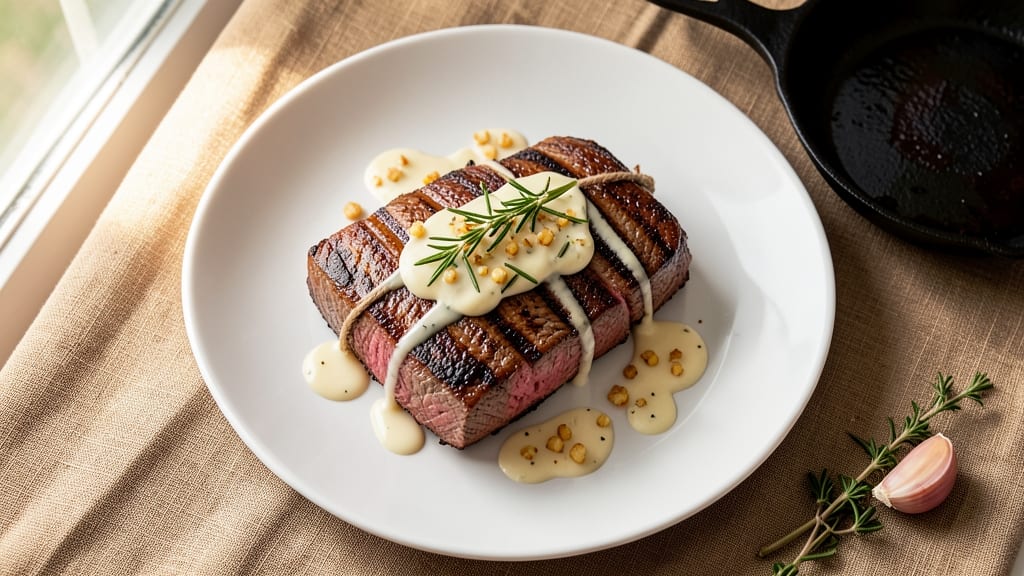
Mastering a rolled steak recipe means achieving that perfect balance between a crispy, caramelized exterior and a juicy, tender center—and this method delivers every time. The secret lies in the rolling technique, which creates a compact shape that cooks evenly while sealing in flavor.
I’ve perfected this approach after years of testing, and the results speak for themselves: a steak that’s impossible to overcook, with a crust so rich it could rival a high-end steakhouse.
This recipe works with any thick-cut steak—ribeye, sirloin, or New York strip—though I recommend ribeye for its natural richness. The process involves butterflying the steak, seasoning it generously, rolling it tightly with butcher’s twine, and then searing it in a hot pan.
The rolling ensures even cooking, while the high-heat sear locks in moisture and builds that coveted crust. No special equipment is needed beyond a sharp knife, a meat mallet (optional but helpful), and a heavy skillet.
What you’ll end up with is a steak that’s golden-brown on the outside, with a deep, savory crust that gives way to a tender, pink center—no gray bands in sight. The rolling technique also allows for even seasoning and flavor penetration, so every bite is packed with taste.
This method is foolproof, whether you’re grilling, pan-searing, or even broiling, and it works beautifully for special occasions or a weekend dinner you want to impress with.
The best part? This technique transforms even less expensive cuts into something restaurant-worthy, making it a game-changer for home cooks. Pair it with a simple red wine reduction or a creamy garlic mashed potato to complete the meal.
Let’s get started—your steak is about to become the star of the dinner table.
Ingredients for rolled steak
Thick-cut steaks, aromatic herbs, and precise rolling technique transform ordinary beef into restaurant-quality perfection.
| Ingredient | Amount | Notes |
|---|---|---|
| Ribeye Steak 🥩 | 1 ½ lb | Thick-cut, center-cut preferred |
| Unsalted Butter 🧈 | 4 tbsp | Cold, cut into small cubes |
| Extra-Virgin Olive Oil 🫒 | 2 tbsp | High-quality, fruity variety |
| Diamond Crystal Kosher Salt 🧂 | 1 ½ tbsp | Coarse grain for even coating |
| Freshly Ground Black Pepper 🌶️ | 1 tsp | Freshly cracked for maximum flavor |
| Garlic Cloves 🧄 | 4 cloves | Minced, for seasoning blend |
| Fresh Rosemary 🌿 | ½ tsp | Finely chopped, for herb blend |
| Fresh Thyme 🌿 | ½ tsp | Leaves only, finely chopped |
| Butcher's Twine 🧵 | 1 piece | 12-inch length for rolling |
| Red Wine 🍷 | ½ cup | Dry, for deglazing pan |
| Beef Bone Broth 💧 | ½ cup | Reduced for sauce consistency |
| Heavy Cream 🥛 | ¼ cup | Full-fat for richness |
| Fresh Parsley 🌿 | ¼ cup | Chopped, for garnish |
The center-cut ribeye is non-negotiable here—its marbling ensures maximum juiciness while the thick cut prevents overcooking. Most butcher counters carry this cut, but if unavailable, New York strip or sirloin work well. Look for steaks with at least 1-inch thickness and visible fat cap—this is your moisture insurance. For the best results, purchase steaks 24 hours ahead to allow them to dry-brine slightly. Professional butchers at Whole Foods or local specialty shops often carry premium cuts that excel in this technique. The butcher’s twine should be heavy-duty (12-inch length) to hold the steak securely during rolling—Costco or Amazon carry perfect options.
No ribeye? Sirloin or New York strip deliver similar results, though ribeye's fat content yields superior flavor. The herb blend (rosemary and thyme) can be swapped for dried herbs at half the quantity, though fresh imparts superior aroma. For the red wine, any Cabernet Sauvignon or Merlot works—avoid sweet varieties. The bone broth can be substituted with beef stock, but a high-quality brand like Imagine or Pacific Foods makes a noticeable difference. If you're short on time, pre-minced garlic works, though freshly minced garlic adds depth. The heavy cream is essential for the finishing sauce—never use light cream as it won't emulsify properly.
Steaks should be refrigerated uncovered for 20-30 minutes before cooking to dry the surface for better searing. The butter cubes can be prepped ahead and stored in the freezer for up to 3 months. Once rolled, steaks can be refrigerated for 24 hours before cooking—this actually enhances flavor penetration. The finished sauce keeps for 3 days in the fridge and can be frozen for 2 months. For presentation, garnish with fresh parsley just before serving, as it wilts quickly when exposed to heat. The butcher’s twine can be removed after cooking and discarded—no need to save it.
Why You'll Love This Recipe
- Two-Handed Prep: I swear by this trick—rolling the ribeye like a cigar takes about 30 seconds. No fancy knife skills, no stressing over even slices. Just a steak, a pinch of salt, and a quick twist. Honestly, my kids think it’s magic when I pull it off.
- Butter-Basted Magic: That crispy sear meets juicy center? All thanks to the butter basting while it rolls. The olive oil gets it started, but the butter—oh, it melts into the steak like a warm hug. (Yes, even on a Tuesday night.)
- Weeknight or Date Night: Same recipe, two vibes. Toss it on the grill for summer BBQs or pan-sear it for a cozy dinner. Leftovers? Slice thin for sandwiches or reheat with a splash of broth—still tastes like a restaurant meal.
- Budget-Friendly Luxury: Ribeye feels fancy, but this method stretches it. One steak feeds four, and the butter and oil costs pennies. I’ll be real: it’s my secret weapon for making steak nights feel special without breaking the bank.
Step-by-step instructions for rolled steak with perfect crust and juicy center
Here's the method that guarantees a restaurant-quality rolled steak every time.
Prepare the Herb Butter and Season the Steak
In a small bowl, combine the 4 tablespoons of cold unsalted butter with the 4 minced garlic cloves, 0.5 teaspoon finely chopped fresh rosemary, and 0.5 teaspoon fresh thyme. Mix until evenly distributed, creating a fragrant herb butter that will infuse flavor into the steak as it cooks. Set aside while you prepare the meat.
Pat the 1.5 pound ribeye steak dry with paper towels, removing any excess moisture that could prevent proper searing. This step is crucial for achieving that coveted crust. Using your hands, gently press the steak flat to an even thickness of about 1-inch, working from the center outward. This ensures even cooking throughout the roll.
Roll the Steak and Secure with Twine
Spread the herb butter evenly over the entire surface of the steak, using your fingers to work it into the meat. Season both sides generously with the 1.5 tablespoons of diamond crystal kosher salt and 1 teaspoon of freshly ground black pepper, pressing the seasoning into the meat to ensure it adheres well.
Starting from one of the long edges, tightly roll the steak into a cylinder, keeping the filling contained within. Use the 12-inch piece of butcher's twine to secure the roll at 2-inch intervals, creating a neat, compact shape that will hold together during cooking. This rolling technique creates a larger surface area for searing while maintaining a juicy interior.
Sear the Rolled Steak to Perfection
Heat a heavy skillet over medium-high heat until it's very hot. Add the 2 tablespoons of extra-virgin olive oil and allow it to shimmer for about 1 minute. Place the rolled steak in the skillet and sear for 3-4 minutes per side, or until a deep golden brown crust forms. You'll notice the steak releases easily from the pan when it's ready to flip—this is your signal that the crust is developing properly.
During the last minute of searing, reduce the heat to medium and add the 0.5 cup of red wine to the pan. Use a wooden spoon to scrape up any browned bits from the bottom, creating a flavorful base for your sauce. This deglazing step captures all the caramelized fond that would otherwise be lost.
Complete the Cooking and Make the Sauce
Transfer the seared steak to a plate and tent loosely with aluminum foil. Return the skillet to medium heat and add the 0.5 cup of beef bone broth, scraping up any remaining browned bits. Let it simmer for 2-3 minutes until slightly reduced, then stir in the 0.25 cup of heavy cream. The sauce should thicken slightly, coating the back of a spoon.
Slice the rolled steak into 1-inch thick pieces and return them to the skillet with any accumulated juices. Spoon the sauce over the steak and let it heat through for 1-2 minutes. The internal temperature should reach 130-135°F for medium-rare, which is perfect for this cut. If you prefer a different doneness, adjust accordingly—remember that rolled steaks cook slightly faster than whole cuts.
Plate and Garnish for Presentation
Transfer the sliced steak to warmed plates and drizzle generously with the pan sauce. Garnish each serving with the 0.25 cup of chopped fresh parsley, adding a pop of color and freshness to the dish. The contrast between the crispy exterior and tender interior should be evident in every bite.
Serve immediately while the steak is still piping hot. The rolled steak should have a beautifully caramelized crust that gives way to perfectly cooked, juicy meat inside. Each slice should hold its shape well, maintaining the integrity of the roll while delivering maximum flavor with every bite.
Pro Tips For Making Rolled Steak
- SEAR HARD FIRST: Get that pan screaming hot—like, blue-flame level—before adding the steak. I used to hover over it, afraid of burning, but a fast, aggressive sear locks in juices and builds the crust you’re paying for in a ribeye. Two minutes per side, no peeking.
- SALT THE BUTTER: Mix that unsalted butter with salt before spreading it on the steak—about ½ teaspoon per tablespoon of butter. I learned this the hard way: dry salt on top flakes off when you roll it, and you’re left with bland butter pools. Salted butter stays put.
- ROLL TIGHT, NOT PERFECT: Press the steak into a cylinder like you’re rolling a joint, even if the edges look uneven. Tightness matters more than symmetry—loose rolls let filling escape, and you’ll end up with a soggy mess. Squish it down with your hands if needed.
- REST BEFORE SLICING: Give it a solid 5–10 minutes under foil before cutting, even if you’re starving. I know, I know, but rushing turns a juicy roll into a sad, stringy log. Let the juices redistribute, or you’ll regret it with every bite.
Best sauces and condiments for rolled steak
Red Wine Reduction
The red wine reduction in this recipe transforms simple ingredients into a luxurious sauce that ties the entire dish together. Deglaze the pan with ½ cup dry red wine (like Cabernet Sauvignon) after searing, then reduce it by half to concentrate the flavors.
The wine’s acidity cuts through the richness of the butter and beef, while its tannins add depth. For extra richness, finish with ¼ cup heavy cream—this creates a velvety sauce that clings beautifully to each slice. 🍷
Garlic-Herb Butter Sauce
Skip the wine and go straight for a garlic-herb butter sauce by melting 4 tablespoons cold butter in the pan after searing. Add 4 minced garlic cloves and ½ teaspoon each of fresh rosemary and thyme, letting the aromatics infuse for 1-2 minutes.
This sauce is lighter but packed with herbal brightness, perfect for those who prefer simplicity. For a tangy twist, finish with 1 teaspoon lemon juice before drizzling. 🌿
Mushroom Pan Sauce
For an earthy, umami-rich sauce, sauté ½ cup sliced cremini mushrooms in the same pan after searing the steak. Deglaze with ½ cup beef bone broth and reduce until thickened, then stir in ¼ cup heavy cream.
The mushrooms add a meaty texture and deep flavor that pairs exceptionally well with ribeye. Garnish with chopped parsley for freshness. 🍄
Balsamic Glaze
Elevate the dish with a balsamic glaze by reducing ¼ cup balsamic vinegar in the pan after searing. Simmer until syrupy, then drizzle over the sliced steak. The glaze’s sweet-tart balance enhances the crust’s caramelization, adding a sophisticated touch.
For extra richness, finish with a swirl of truffle oil (just ½ teaspoon). This sauce works beautifully as a finishing drizzle or as a base for the pan sauce. 🍇
Smoky Chipotle Cream Sauce
Add a smoky kick with a chipotle cream sauce by blending ¼ cup heavy cream with ½ teaspoon adobo sauce (from a can of chipotles) and 1 teaspoon honey. Heat the mixture in the pan after searing and reduce slightly before pouring over the steak.
The smoky-sweet sauce adds a bold contrast to the rich, herby flavors of the steak. 🌶️
Whipped Butter Finishing Touch
For a lighter, buttery finish, whip 2 tablespoons cold butter with 1 teaspoon lemon juice and a pinch of salt until fluffy. Dollop small amounts over each slice of steak just before serving.
This adds a silky, luxurious texture without overpowering the steak’s natural flavors. It’s a restaurant-worthy trick that takes seconds to prepare. 🧈
Nutrition facts
Frequently asked questions
What’s the best cut of steak for rolling?
Ribeye is ideal for its marbling and flavor, but New York strip or sirloin work well too. Look for thick-cut (1-inch+) steaks with visible fat—this ensures juiciness when rolled. Avoid lean cuts like flank steak, as they dry out faster when wrapped.
Can I make this ahead of time?
Yes! Roll and season the steak, then refrigerate for up to 24 hours before cooking. This enhances flavor penetration. For longer prep, freeze the rolled steak (uncooked) for 1-2 months, thawing overnight in the fridge before searing. Never refreeze after thawing.
Why is my rolled steak falling apart?
This usually happens if the steak isn’t rolled tightly enough or the twine isn’t secure. Use butcher’s twine at 2-inch intervals and press the roll firmly. For extra stability, chill the steak for 15 minutes before cooking—this firms the meat. If using thinner cuts, skip rolling and opt for butterflying instead.
How do I adjust cooking time for different doneness levels?
Use a meat thermometer: 120°F (rare), 130°F (medium-rare), or 140°F (medium). Rolled steaks cook faster than whole cuts—plan for 1-2 minutes less per side than you’d use for a flat steak. For medium-rare, sear 3 minutes per side and let rest 5 minutes before slicing.
What’s the best way to slice rolled steak?
Slice against the grain into ½-inch thick pieces for maximum tenderness. Remove the twine first, then cut diagonally for elegant presentation. Use a sharp knife and angle it slightly to avoid crushing the meat. Serve immediately for the best texture—rolled steaks lose moisture quickly once sliced.