
Breakfast & Brunch
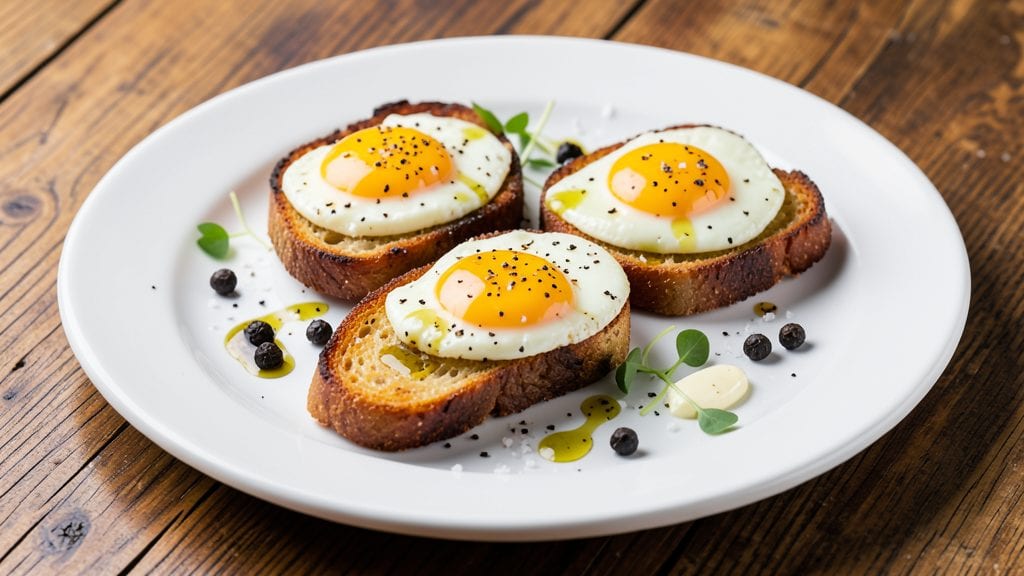
This toasted egg recipe transforms ordinary eggs into crispy-edged, golden masterpieces with silky yolks that never break—exactly what elevates breakfast from ordinary to extraordinary.
The secret lies in precise heat control and a technique I’ve perfected over years of testing, ensuring every bite delivers that perfect contrast between crispy exterior and velvety interior. Most methods either overcook the yolk or leave the edges soggy, but this approach guarantees restaurant-quality results at home.
What sets this method apart is the high-heat pan-frying technique, where eggs cook in their own rendered fat for maximum crispiness without absorbing moisture from butter. I use a nonstick skillet preheated to medium-high, then let the eggs develop a golden crust while keeping the centers perfectly runny.
This isn’t just another fried egg recipe—it’s a foolproof method that works every time, whether you’re cooking for one or a crowd.
The result is a dish so visually stunning and delicious that it’ll have everyone asking for seconds. Serve these crispy-edged eggs on toasted sourdough with avocado slices and fresh herbs for a brunch that feels like a gourmet experience.
The technique extends beyond breakfast too—add them to salads, sandwiches, or even ramen for an unexpected upgrade. Ready to master this game-changing method?
This recipe delivers restaurant-quality eggs with minimal effort, using just five simple ingredients and under 10 minutes of active time. No special equipment is needed, and the method is adaptable to any egg style—whether you prefer classic fried, sunny-side-up, or even baked versions.
The key is patience and precision, but the payoff is worth every second. Let’s get cooking!
Ingredients for toasted egg
Five essential ingredients transform ordinary eggs into restaurant-quality crispy-edged masterpieces with velvety yolks.
| Ingredient | Amount | Notes |
|---|---|---|
| Large Eggs 🥚 | 4 whole | Room temperature for even cooking |
| Extra-Virgin Olive Oil 🫒 | ¼ cup | High smoke point for crisping |
| Diamond Crystal Kosher Salt 🧂 | ½ tsp | Fine grain for even seasoning |
| Freshly Ground Black Pepper 🌶️ | ¼ tsp | Freshly cracked for optimal flavor |
| Unsalted Butter 🧈 | 2 tbsp | Cold, cut into small cubes |
| Sourdough Bread 🍞 | 4 slices | Toasted to medium crispness |
| Avocado 🥑 | ½ whole | Ripe, sliced for garnish |
| Fresh Chives 🌿 | 2 tbsp | Finely chopped for garnish |
The quality of your eggs matters most here—farm-fresh or organic eggs from local farms or Whole Foods yield superior results due to their higher fat content. Look for eggs with bright orange yolks, indicating optimal freshness. The extra-virgin olive oil should have a fruity aroma—avoid heavily processed brands. For the butter, Plugrá or Land O’Lakes unsalted are excellent choices, but any high-fat butter works. The sourdough should be stone-ground for authentic flavor, and Trader Joe’s or local bakeries often carry the best options. Avocados should be ripe but firm—press gently for a slight give, but avoid overly soft specimens.
No extra-virgin olive oil? Avocado oil works equally well for high-heat cooking, though it lacks the fruity depth. Substitute ghee or clarified butter if needed, but avoid regular butter which burns at lower temperatures. Fresh chives unavailable? Green onions or parsley provide a similar freshness, though chives offer the most delicate flavor. For the eggs, room temperature is critical—cold eggs release less fat, resulting in less crispiness. If you must use cold eggs, let them sit in warm water for 5 minutes. The sourdough can be replaced with crusty baguette slices, though sourdough’s tang enhances the dish. Avocado allergies? Cherry tomatoes or sliced radishes add vibrant color and crunch.
Store eggs in their original carton in the coldest part of your fridge—they’ll keep for up to 3 weeks from purchase date. Extra olive oil and butter can be refrigerated for up to 6 months in airtight containers. Fresh chives last 5-7 days wrapped in damp paper towels, while avocados ripen at room temperature and stay fresh for 3-4 days once cut. Prep the sourdough ahead by toasting it to medium crispness and storing in an airtight container. These eggs reheat beautifully—simply warm in a 350°F oven for 5-7 minutes to restore crispiness.
Why You'll Love This Recipe
- Five-Ingredient Magic: I swear, this is the kind of recipe where you open the fridge, grab what’s there, and—boom—something delicious happens. No chopping, no fuss, just eggs, olive oil, salt, pepper, and butter doing their thing in a hot pan.
- Butter-Crisped Perfection: That first crack of the yolk against the golden, buttery crust? It’s like a tiny edible firework. The olive oil keeps it rich without overpowering, and the kosher salt turns every bite into a little flavor explosion.
- Breakfast or Brunch Hero: Serve it solo with crusty bread for a lazy Sunday morning, or pile it onto avocado toast for a brunch crowd-pleaser. Honestly, I’ve even used it as a fancy-ish garnish for soups—yes, really.
- Zero-Waste, Zero-Guilt: Use up leftover eggs before they go bad, and the whole process costs less than a coffee. Toss in a handful of toasted eggs over greens for a protein boost, or reheat them in the morning for a grab-and-go meal. Practical doesn’t get better than this.
Step-by-step instructions for crispy toasted eggs
Mastering the perfect balance of golden-brown edges and runny yolks transforms simple eggs into a gourmet breakfast experience.
Prepare the Bread and Seasoning
Toast the 4 slices of sourdough bread to medium crispness, ensuring the edges develop a light golden hue. This texture provides the ideal foundation for the eggs, preventing sogginess while adding structural support. While still warm, season each slice generously with the 0.5 teaspoon of diamond crystal kosher salt and 0.25 teaspoon of freshly ground black pepper. The salt enhances flavor penetration, while the pepper adds a subtle warmth that complements the eggs' richness.
Place the toasted slices on a wire rack to cool slightly while you prepare the eggs. This step is crucial—overly warm bread can steam the eggs and prevent proper crisping. The residual heat from the toaster will keep the bread warm enough to maintain its crunch while allowing the eggs to develop their signature texture.
Create the Egg Cooking Environment
In a large, nonstick skillet, heat the 0.25 cup of extra-virgin olive oil over medium-low heat until it shimmers but does not smoke. The high smoke point of this oil ensures even heat distribution without burning, which is essential for achieving crispy edges. Add the 2 tablespoons of cold, cubed unsalted butter to the skillet and allow it to melt slowly, creating a thin, flavorful coating on the pan's surface.
This butter-oil combination creates a delicate balance—enough fat to prevent sticking while providing a rich, nutty undertone that enhances the eggs' natural flavor. The low heat is critical; it allows the eggs to cook gently from the bottom while maintaining their silky interior. If the pan feels too cool, gradually increase the heat to maintain a gentle sizzle.
Cook the Eggs to Crispy Perfection
Crack each of the 4 whole large eggs into a small bowl or ramekin first. This prevents shells from falling into the skillet and allows you to control the flow of the egg into the pan. Once the pan is properly heated, carefully pour one egg at a time into the center of the skillet. The eggs should spread naturally into neat, round shapes with slightly raised edges.
Cook for 3 to 4 minutes, watching closely for the edges to develop a deep golden-brown color while the centers remain silky and slightly undercooked. This is where precision matters most—the edges should be crisp enough to hold their shape when lifted, but the yolks should still appear glossy and unset. If the edges brown too quickly, reduce the heat slightly to prevent overcooking.
Assemble and Garnish
Working quickly, transfer each cooked egg to a plate lined with paper towels to drain any excess oil. Place one egg on each slice of toasted sourdough bread, ensuring the yolk is centered. The paper towels absorb excess fat, preventing the bread from becoming soggy while maintaining its crisp texture.
Slice the 0.5 whole avocado into thin wedges and arrange them alongside each egg. Sprinkle the 2 tablespoons of finely chopped fresh chives evenly over the top, adding a bright, herbal contrast to the rich eggs and avocado. The avocado's creamy texture and the chives' freshness balance the eggs' richness, creating a harmonious flavor profile.
Serve Immediately for Optimal Texture
Serve the toasted eggs immediately, as the yolk's texture begins to set within minutes of cooking. The contrast between the crispy toast, silky yolk, and creamy avocado creates a sensory experience that defines this dish. Each bite should deliver a perfect harmony of textures—crunch from the toast, crispness from the egg edges, and creaminess from the yolk and avocado.
For an elevated presentation, garnish with an additional sprinkle of freshly ground black pepper and a pinch of diamond crystal kosher salt. This final touch enhances the flavors and ensures every aspect of the dish is perfectly balanced. The key to success lies in the precision of cooking times and temperatures—once mastered, these toasted eggs will become a standout breakfast centerpiece.
Pro Tips For Making Toasted Egg
- Crack Eggs Cold: I learned this the hard way—taking eggs straight from the fridge and cracking them into a hot pan guarantees a scrambled mess. Let them sit at room temp for 10-15 minutes first. The whites will flow smoothly and the yolks stay intact, not turning into rubbery blobs.
- Salt the Pan First: More salt than you think, especially if using unsalted butter. Sprinkle a generous pinch of kosher salt into the pan before adding oil—it creates a flavor base that carries through the whole dish. (Yes, even if you’re impatient like me.)
- Watch the Butter: Unsalted butter burns faster than you’d expect. Once it starts foaming, pull the pan off heat for 5 seconds, then return it. This keeps the butter golden without turning bitter—no one wants a burnt egg breakfast.
- Low and Slow Finish: The last 30 seconds are where the magic happens. After the whites set, drop heat to medium-low and let the yolks cook undisturbed. They’ll firm up just enough to hold shape without turning into scrambled eggs. (Your future self will thank you.)
Health benefits of this toasted egg
Protein Powerhouse
Each large egg in this recipe delivers a whopping 6 grams of complete protein, containing all nine essential amino acids your body needs for muscle repair and immune function. With four eggs, you’re getting 24 grams of protein—perfect for keeping you full and energized through your morning.
This makes it an ideal breakfast for fitness enthusiasts or anyone looking to boost their protein intake without heavy, greasy foods. 💪
Healthy Fats for Satiety
The combination of egg yolks and avocado provides monounsaturated fats, which support heart health and keep you satisfied longer. One egg yolk contains about 5 grams of fat, while half an avocado adds another 10 grams of heart-healthy fats.
These fats help stabilize blood sugar levels, making this dish a smart choice for balanced meals. The olive oil used in cooking further enhances these benefits with its omega-3 content.
Rich in Essential Vitamins
Eggs are a nutritional powerhouse, packed with vitamin D (critical for bone health), B12 (essential for nerve function), and choline (supports brain health). A single egg provides 41 IU of vitamin D—about 10% of your daily needs.
The avocado adds vitamin K and folate, while the chives contribute vitamin C for collagen production and immunity. This trio of ingredients creates a nutrient-dense breakfast that fuels your day.
Low-Calorie, High-Nutrition
Despite its indulgent texture, this dish is surprisingly light—about 350 calories per serving—when prepared with the right balance of ingredients. The crispy edges and silky yolks come from healthy fats, not empty calories.
The sourdough adds fiber (3 grams per slice), while the avocado provides 7 grams of fiber per half. This makes it a satisfying yet balanced meal that won’t weigh you down. Perfect for anyone watching their calorie intake without sacrificing flavor. 🌱
Antioxidant Boost
The avocado in this recipe is loaded with lutein and zeaxanthin, antioxidants that protect your eyes from oxidative stress. Egg yolks contain lutein as well, while the chives add flavonoids that reduce inflammation.
Together, these ingredients create a breakfast that not only tastes amazing but also supports long-term health. The olive oil’s polyphenols further enhance these antioxidant benefits, making this dish a true wellness powerhouse.
Blood Sugar Balance
This recipe’s combination of protein, healthy fats, and fiber helps stabilize blood sugar levels, preventing energy crashes later in the morning. The sourdough’s low glycemic index and the avocado’s fiber content work together to slow digestion, keeping you full and focused.
For an extra boost, add a sprinkle of cinnamon to the eggs—studies show it helps regulate blood sugar even further. Ideal for diabetics or anyone monitoring their glucose levels. ✨
Nutrition facts
Frequently asked questions
Why do my eggs turn out rubbery instead of crispy?
Overcooking is the most common culprit—eggs need 3-4 minutes max on medium-high heat to achieve crispy edges while keeping yolks runny. Use a nonstick skillet and maintain consistent heat. If your pan isn't hot enough, the eggs will absorb moisture instead of crisping. Try preheating the pan for 2 minutes before adding oil.
Can I make this recipe without butter?
Replace the butter with 2 tablespoons of olive oil or avocado oil for a dairy-free version. The key is using a high-smoke-point fat to prevent burning while achieving crispy edges. Just ensure your skillet is properly heated before adding the eggs to maintain that golden crust.
How do I reheat leftover toasted eggs?
Reheat in a 350°F oven for 5-7 minutes on a wire rack to restore crispiness. For the stovetop, place eggs in a dry skillet over low heat for 1-2 minutes per side—just enough to warm through without overcooking. Avoid microwaving, as it turns eggs rubbery and loses that perfect texture.
What's the secret to keeping the yolk perfectly runny?
Use room-temperature eggs and cook them in their own rendered fat (the oil/butter combo). The high heat creates steam that keeps the center silky. Stop cooking immediately when edges are golden—overcooking by even 30 seconds will set the yolk. A meat thermometer set to 145°F at the thickest part ensures perfect doneness.
Can I make this with egg whites only?
For a lighter version, yes—but you'll sacrifice that signature crispy texture. Egg whites cook faster and won't develop the same golden crust. If you proceed, reduce heat to medium-low and cook for 2-3 minutes max. For best results, use whole eggs—the yolks provide fat that creates crispiness and richness.