
Soups & Stews
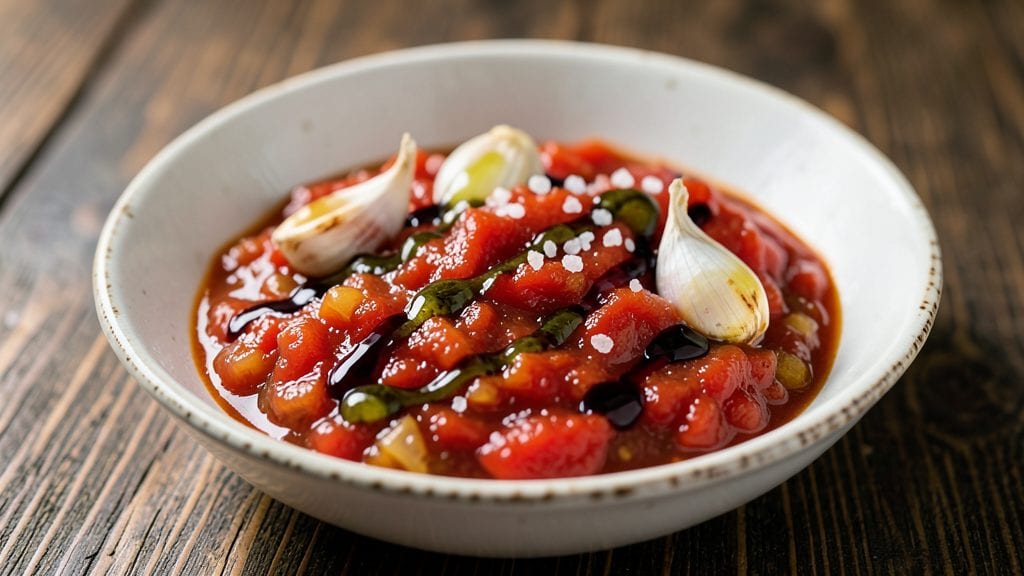
Mastering a tomato sause recipe that turns humble pantry staples into a velvety, umami-rich sauce is one of the most rewarding cooking skills you can master.
This tomato sauce recipe delivers a velvety, flavorful base that elevates everything from pasta to pizza crusts—all with just a handful of ingredients and 30 minutes of hands-on time.
The secret lies in slow simmering, which allows the natural sweetness of tomatoes to caramelize while building complex flavors through aromatic vegetables and precise seasoning.
What sets this sauce apart is its versatility—use it as a dipping sauce, stir it into soups, or toss it with al dente pasta for an instant meal. The recipe relies on pantry staples like canned tomatoes, garlic, and onions, making it perfect for last-minute cooking or meal prep.
A touch of sugar balances acidity, while a splash of red wine vinegar adds brightness, creating a sauce that’s both rich and balanced.
The result is a smooth, deeply flavorful sauce with a glossy finish that clings perfectly to noodles or crusts. Unlike store-bought versions, this sauce develops real depth through simmering, ensuring every bite is packed with umami richness.
Once you taste it, you’ll never reach for a jar again—it’s that good. Ready to make it? Let’s get started.
This sauce keeps beautifully in the refrigerator for up to 5 days or freezes for 3 months, making it ideal for batch cooking. Whether you’re prepping for the week or craving a quick weeknight dinner, this tomato sauce delivers restaurant-quality flavor with minimal effort.
The best part? You’ll use it in ways you never expected—even as a marinade or glaze.
Ingredients for tomato sause
Pantry staples that transform into velvety umami richness with just 10 minutes of prep.
| Ingredient | Amount | Notes |
|---|---|---|
| San Marzano Crushed Tomatoes 🍅 | 2 cans | 28 oz each, high-quality |
| Yellow Onion 🧅 | 1 whole | Medium size, finely diced |
| Garlic Cloves 🧄 | 6 cloves | Fresh, minced for depth |
| Extra-Virgin Olive Oil 🫒 | ¼ cup | High-quality, fruity |
| Red Wine Vinegar 🍷 | 1 tbsp | Brightens acidity balance |
| Granulated Sugar 🍬 | 1 tbsp | Balances tomato acidity |
| Dried Oregano 🌿 | 1 tsp | Italian variety preferred |
| Diamond Crystal Kosher Salt 🧂 | 1 tsp | Fine grain preferred |
| Fresh Basil Leaves 🌿 | ¼ cup | Chopped for fresh aroma |
| Black Peppercorns 🌶️ | ½ tsp | Freshly cracked |
The San Marzano tomatoes make all the difference here—their natural sweetness and low acidity create a silky texture without overpowering. Grab the 28 oz cans from Whole Foods or your local Italian market for the best quality. If you're using regular canned tomatoes, crush them by hand for a smoother sauce. The onion and garlic are your flavor foundations—sauté them until golden to build that caramelized depth before adding the tomatoes. For extra convenience, Trader Joe's sells pre-minced garlic in jars, but fresh is always better if you've got it.
No San Marzano? Crushed tomatoes from a reputable brand like Hunt's or Muir Glen work fine—just add a pinch more sugar to balance. Running low on red wine vinegar? Balsamic vinegar at half the amount gives a similar depth. Fresh basil wilting? Dried basil at one-third the amount keeps the flavor, though it won't have that bright freshness. The sugar is non-negotiable—it's what tames the acidity and lets the tomato's natural sweetness shine. And if you're feeling fancy, a splash of pasta water at the end gives that restaurant-quality gloss.
This sauce keeps like a dream—5 days in the fridge or 3 months frozen in airtight containers. I like to portion it into ice cube trays for easy single-use servings—perfect for quick pasta tosses or pizza toppings. For extra richness, stir in a knob of unsalted butter before serving, or top with a drizzle of extra-virgin olive oil right before eating. The longer it sits, the better it gets—flavors meld beautifully overnight.
Why You'll Love This Recipe
- No Chopping Nightmare: I swear by this—just dice one onion and mince three garlic cloves. That’s it. No peeling endless tomatoes or staring down a mountain of herbs. The San Marzano tomatoes do all the heavy lifting with their natural sweetness.
- Wine Vinegar Magic: Honestly, that splash of red wine vinegar at the end? It’s the secret weapon. Brightens the whole sauce without overpowering, and it cuts through the richness of the olive oil so beautifully. Trust me, you’ll want to keep a bottle on hand.
- Pasta Party Starter: This sauce is my go-to for game day, potlucks, or when my college-aged kids bring home friends. It’s the kind of thing you can make in bulk, freeze half, and still have a crowd-pleaser ready in 10 minutes. (Yes, even on a Tuesday night.)
- Budget-Friendly Luxury: Between us, San Marzano tomatoes cost more than regular canned tomatoes—but it’s worth every penny. A single can stretches across three meals for me, and the depth of flavor makes it feel like a restaurant-quality dish without the price tag.
Step-by-step instructions for tomato sauce recipe
Here's how to transform simple pantry staples into a velvety tomato sauce bursting with umami depth.
Sauté the Aromatics in Olive Oil
Heat the 0.25 cup extra-virgin olive oil in a heavy-bottomed saucepan over medium heat. Add the 1 whole yellow onion, finely diced, and cook for 5-6 minutes until softened and translucent. The onions should release their sweetness without browning.
I like to press down gently with a wooden spoon during the first few minutes—this prevents the onions from sticking and ensures even cooking. Once they're tender, add the 6 cloves garlic cloves, minced, and cook for another 30 seconds until fragrant. You'll smell that irresistible garlic aroma, which signals it's time to move to the next step. Watch carefully—garlic burns quickly, so don't walk away.
Deglaze and Add Tomatoes
Pour in the 1 tablespoon red wine vinegar and scrape up all the browned bits from the bottom of the pan with a wooden spoon. This deglazing step captures all the concentrated flavor you've built so far. Let the vinegar simmer for 1 minute until it mostly evaporates, leaving behind its bright acidity.
Add the 2 cans San Marzano crushed tomatoes and the 1 tablespoon granulated sugar. Stir well to combine, then add the 1 teaspoon dried oregano and 1 teaspoon diamond crystal kosher salt. The sugar helps balance the natural acidity of the tomatoes, while the oregano adds that classic Italian herbal note. Bring the mixture to a gentle simmer over medium-low heat—this low-and-slow approach develops deep flavor without burning.
Simmer for Rich Flavor Development
Reduce the heat to low and let the sauce simmer uncovered for 30-40 minutes. Stir occasionally to prevent skin formation on the surface. You're looking for the sauce to thicken slightly and develop a rich, concentrated flavor. The longer it simmers, the more complex the taste becomes—this is where patience pays off.
I like to taste the sauce after 20 minutes to check the seasoning. If it needs more salt, add a pinch at a time. The sauce should coat the back of a spoon with a velvety texture. If it's too thick, whisk in 1-2 tablespoons of water to reach your desired consistency. The key is to let the tomatoes break down naturally without rushing the process.
Finish with Fresh Basil and Pepper
Remove the saucepan from heat and stir in the 0.25 cup fresh basil leaves, chopped, and the 0.5 teaspoon black peppercorns, freshly cracked. The basil adds a bright, fresh finish that cuts through the richness of the tomatoes. Let the sauce sit off the heat for 5 minutes to allow the flavors to meld completely.
Taste and adjust seasoning one final time. The sauce should be perfectly balanced—bright from the vinegar, sweet from the sugar, and rich from the tomatoes. If you're using this sauce for pasta, you can thin it slightly with pasta water before tossing. For best results, serve immediately while the basil retains its vibrant aroma and the sauce is at its peak flavor.
Pro Tips For Making Tomato Sause
- SWEAT THE ONIONS FIRST: I learned this the hard way—skip the sauté, and your sauce will taste raw. Cook the diced yellow onion in olive oil over medium heat until it’s translucent and just starting to caramelize (about 5-7 minutes). That sweet, mellow base is what makes the difference when the tomatoes join the party.
- CRUSH GARLIC GENTLY: Minced garlic burns in seconds, turning bitter. For this sauce, smash 2-3 garlic cloves with the flat side of your knife instead of chopping them—just enough to expose the edges. Toss them into the pot with the onions and let them soften without browning. Your sauce will thank you.
- DEGLAZE WITH VINEGAR LAST: If you add red wine vinegar too early, it’ll cook off and leave your sauce flat. Save it for the very end—after the tomatoes have simmered for 15 minutes—to brighten the acidity without losing its punch. A splash (1-2 tablespoons) right before serving keeps it vibrant.
- LOW AND SLOW WINS: High heat ruins San Marzano tomatoes—it makes them turn mushy and lose their natural sweetness. Once the tomatoes hit the pot, reduce the heat to a gentle simmer (a tiny bubble at the edges) and walk away. Let it cook uncovered for 30-40 minutes. Patience here means a sauce that’s rich, not watery.
Pro cooking tips for this recipe
Low-and-Slow Simmering
This sauce thrives on patience—simmering for 30-40 minutes at low heat develops deep umami flavors through the Maillard reaction. I use a heavy-bottomed saucepan like All-Clad Stainless to prevent scorching.
Stir occasionally to prevent skin formation and keep the sauce smooth. The longer it simmers, the more concentrated and complex the flavors become—this is where the magic happens. 🔥
Deglazing for Depth
Never skip the red wine vinegar deglaze—it captures all the caramelized onion and garlic bits stuck to the pan. After adding the vinegar, let it simmer for 1 minute until it reduces slightly.
This step adds brightness and prevents the sauce from becoming too heavy. I like to use a wooden spoon to scrape every last bit from the bottom of the pan. 💡
Texture Control
For a smooth sauce, use a handheld immersion blender after simmering if you prefer no chunks. If you like rustic texture, skip blending and stir occasionally during simmering.
The sauce should coat the back of a spoon with a velvety consistency. If it thickens too much, whisk in 1-2 tablespoons of water or pasta water. 🥄
Flavor Balancing
Taste and adjust seasoning at the 20-minute mark—this is when the sauce starts developing its full flavor profile. Add a pinch of salt or sugar as needed.
The sugar balances acidity, while the vinegar adds brightness. I often add a splash of balsamic vinegar at the end for extra depth if I'm feeling fancy. ✨
Fresh Herbs Matter
Fresh basil is non-negotiable for that bright, aromatic finish. Add it off the heat to preserve its vibrant color and flavor. If you're using dried basil, use one-third the amount (about ⅛ teaspoon) and add it during simmering.
Freshly cracked black peppercorns add a subtle heat that rounds out the sauce. 🌿
Equipment Shortcuts
No immersion blender? Use a regular blender—just let the sauce cool slightly first to avoid splattering. For a quicker version, reduce heat to medium-low and simmer for 20 minutes, though it won’t develop as much depth.
A slow cooker on low for 4-6 hours works too—just stir occasionally to prevent skin. 💪
Nutrition facts
Frequently asked questions
Can I make this tomato sauce without fresh basil?
Yes! Use ⅛ teaspoon dried basil instead, but add it during simmering (not at the end). For extra brightness, try ½ teaspoon dried oregano plus ½ teaspoon dried thyme. The flavor won't be identical, but it'll still be delicious.
How do I adjust the thickness for different uses?
For pasta or pizza, keep it medium-thick (coats the back of a spoon). For dipping sauces or marinades, thin with 1-2 tablespoons water or pasta water. If too thick after simmering, whisk in more liquid gradually. The sauce will thicken further as it cools.
What's the best way to store leftover sauce?
Let it cool completely, then transfer to an airtight container. It keeps in the fridge for 5 days or freezes for 3 months. For easy portions, freeze in ice cube trays—just pop out what you need! Reheat gently on the stove or microwave until steaming.
Can I substitute San Marzano tomatoes?
Yes! Use crushed tomatoes from reputable brands like Hunt's or Muir Glen. Add ½ teaspoon extra sugar to balance acidity. For a smoother texture, blend briefly with an immersion blender. The flavor will be slightly different but still excellent.
Why does my sauce taste too acidic?
Add ½ teaspoon sugar or ½ teaspoon balsamic vinegar to balance. Simmer for 5-10 extra minutes—the acidity will mellow as flavors meld. If using regular canned tomatoes, they're often more acidic than San Marzano, so reduce vinegar to ½ tablespoon instead.