
Side Dishes
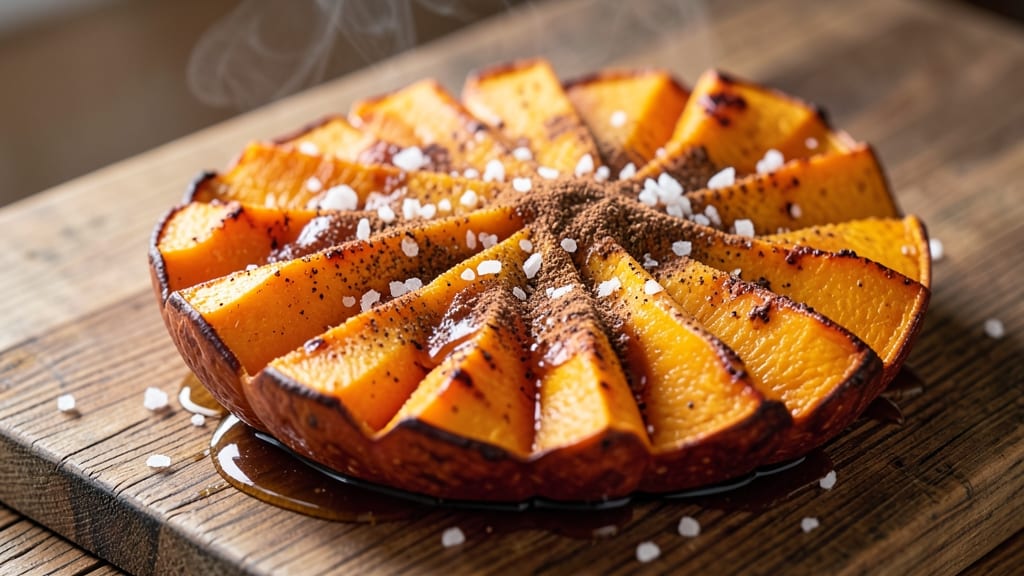
Transforming acorns into a delicious baked treat reveals their hidden potential as a sweet, nutty side dish with caramelized edges and tender centers. This traditional preparation method removes bitterness through careful leaching, then enhances natural flavors with simple seasonings like cinnamon or honey.
The process connects modern cooking with ancestral techniques while delivering a unique, earthy-sweet profile that pairs beautifully with meats or stands alone.
What makes this recipe special is its dual nature—both a nostalgic nod to survival foods and a gourmet side dish. The key lies in proper preparation: thorough leaching to eliminate tannins, followed by slow baking that concentrates sweetness while creating satisfying crunch.
Unlike store-bought alternatives, these acorns develop complex caramelized flavors that evolve as they roast, offering a texture between sweet potato and chestnut.
By the time you pull them from the oven, you'll have golden-brown acorns with crisp edges and tender interiors, their natural sweetness amplified by warm spices. This method transforms humble acorns into a sophisticated side that impresses at holiday tables or elevates everyday meals.
The best part? Each bite carries the satisfaction of working with nature's ingredients while delivering restaurant-quality results.
Serve these roasted acorns alongside roasted meats, stuffing, or as a standalone snack with a drizzle of honey. For those interested in traditional uses, the same dried acorns can be ground into flour for baking.
Always ensure proper leaching and drying to maintain safety while unlocking these nuts' full culinary potential.
Ingredients for baked acorn
Nature's sweetest treasure meets warm spices for a side dish that bridges tradition and gourmet technique.
| Ingredient | Amount | Notes |
|---|---|---|
| Acorn Squash 🎃 | 1 whole | Medium-sized, halved lengthwise |
| Unsalted Butter 🧈 | ½ cup | Cold, cubed for roasting |
| Pure Maple Syrup 🍯 | ¼ cup | Grade A for optimal flavor |
| Ground Cinnamon 🌿 | 1 tbsp | Ceylon preferred for delicate flavor |
| Ground Nutmeg 🌿 | ½ tsp | Freshly grated for potency |
| Kosher Salt 🧂 | ½ tsp | Diamond Crystal preferred |
| Freshly Ground Black Pepper 🌶️ | ¼ tsp | Cracked peppercorns preferred |
| Extra-Virgin Olive Oil 🫒 | 1 tbsp | For drizzling after roasting |
| Honey 🍯 | 1 tbsp | Wildflower preferred for complexity |
| Toasted Pecans 🥜 | ¼ cup | Chopped, for garnish |
| Fresh Sage Leaves 🌿 | 4 whole | Lightly bruised for aroma |
| Balsamic Glaze 🍷 | 1 tbsp | Reduction for drizzling |
The acorn squash is the foundation—select one with a matte, deep green exterior and heavy weight for its size, indicating ripeness. Local farmers markets often carry heirloom varieties with superior sweetness, but any medium-sized squash works. Costco or Whole Foods typically stock organic options year-round. For optimal texture, halve the squash lengthwise and scoop out seeds with a spoon, leaving a 1/4-inch border of flesh. The butter and maple syrup form the flavor base—European-style butter with higher fat content yields superior caramelization, while Grade A maple syrup provides the ideal balance of sweetness and depth. Penzeys Spices carries excellent Ceylon cinnamon for a more delicate, aromatic profile compared to standard cassia.
No maple syrup? Honey works in a 1:1 ratio, though it lacks the same caramelizing properties. Substituting agave nectar requires reducing by 20% due to its higher water content. For nutmeg, ground cloves (1/8 tsp) provide a similar warmth but with a distinct aroma. The pecans can be omitted for nut-free versions, though they add satisfying crunch. Pre-made balsamic glaze from Trader Joe's is a convenient shortcut—just ensure it's reduced, not sweetened. For a vegan adaptation, replace butter with olive oil and use vegan honey substitute (like agave) in equal measure. The sage leaves should be lightly bruised between fingers to release essential oils without turning bitter.
Roasted squash keeps 3-4 days in an airtight container in the refrigerator, though flavor peaks at day 2. For longer storage, freeze cooked portions for up to 3 months—reheat in a 350°F oven for 10-15 minutes with a splash of water to restore moisture. Portion into single servings before freezing for easy reheating. The pecan garnish can be toasted ahead and stored in an airtight container for 1 week. For meal prep, roast an extra squash and repurpose the flesh into soup, muffins, or risotto—the caramelized edges add umami depth to any dish. Balsamic glaze should be stored in the fridge and reheated gently before drizzling.
Why You'll Love This Recipe
- Five-Ingredient Magic: I swear, this recipe is the kind of simple that makes me feel clever. Halve the squash, dot it with butter, drizzle maple syrup—boom—you’re done. No peeling, no fussing, just hands-off baking while you sip your coffee or scroll through memes.
- Sweet Spice Bliss: That caramelized maple syrup meeting the nutmeg and cinnamon? It’s like autumn wrapped in a hug. The squash gets tender but holds its shape, so every bite is creamy with a hint of that warm, spiced sweetness. My kids call it "dessert food," but I won’t tell them it’s veggies.
- Weeknight to Holiday: Between us, this feeds a crowd without the stress. Double the batch for Thanksgiving leftovers (trust me, it’s better reheated) or serve it at a potluck—no one will guess it’s just five ingredients. Even my picky uncle raved about it.
- Budget-Friendly Comfort: Acorn squash is cheaper than takeout, and a little butter plus maple syrup stretch farther than you’d think. Plus, leftovers keep for days—toss them into salads, blend into soups, or eat cold with yogurt. It’s the kind of dish that makes grocery day feel like a win.
Step-by-step instructions for sweet roasted acorn squash
Transform humble acorn squash into a showstopping side with caramelized edges and aromatic spices.
Prepare and Roast the Acorn Squash
Preheat your oven to 400°F and line a rimmed baking sheet with parchment paper. Cut the 1 whole acorn squash in half lengthwise, removing and discarding the seeds. Scoop out any stringy membrane from the center using a spoon. Place the halves cut-side down on the prepared baking sheet.
Drizzle the cut sides with 1 tablespoon extra-virgin olive oil, then rub the oil into the flesh. Sprinkle evenly with 0.5 teaspoon kosher salt, 1 tablespoon ground cinnamon, and 0.5 teaspoon ground nutmeg. Rotate the squash halves so all surfaces are evenly coated. Roast for 30 minutes until the edges begin to soften and develop golden coloration.
After 30 minutes, carefully flip the squash halves cut-side up. Increase the oven temperature to 425°F and return to the oven for an additional 25-30 minutes until the flesh is tender when pierced with a fork and the edges are deeply caramelized. Watch closely during the final 10 minutes to prevent over-browning.
Create the Sweet Butter Glaze
While the squash roasts, melt 0.5 cup unsalted butter in a small saucepan over medium-low heat. Add 0.25 cup pure maple syrup and 1 tablespoon honey, stirring constantly until the mixture reaches a gentle simmer. Reduce heat to low and let it cook for 3-4 minutes until slightly thickened.
Remove from heat and stir in 0.25 teaspoon freshly ground black pepper. The glaze should be smooth with a glossy sheen. Taste and adjust seasoning if needed—this is where the spices truly shine. Keep warm until ready to use, but don't let it cool completely or it will thicken too much.
Assemble and Finish the Dish
Once the squash is tender, carefully transfer the halves to a serving platter. Using a spoon, gently scrape the flesh to create a well in the center of each half. Spoon the warm butter glaze into these wells, allowing it to seep into the tender flesh. The contrast between the warm squash and cool glaze creates an incredible textural experience.
Lightly bruise the 4 whole fresh sage leaves by pressing them between your palms, then arrange them on top of the glaze. Sprinkle evenly with the 0.25 cup toasted pecans and drizzle with 1 tablespoon balsamic glaze. The balsamic adds a sophisticated tang that cuts through the sweetness, while the pecans provide crunchy contrast.
Rest and Serve
Let the squash rest for 5 minutes before serving. This brief waiting period allows the flavors to meld and the glaze to set slightly, preventing a runny presentation. The squash should be fork-tender with caramelized edges that offer resistance when cut, while the flesh remains creamy and aromatic.
Serve immediately while the squash is still warm. The combination of warm squash, sweet glaze, earthy sage, and nutty pecans creates a harmonious balance of flavors and textures. This dish works beautifully as a side for roasted meats or as a vegetarian centerpiece when paired with a simple arugula salad.
Pro Tips For Making Baked Acorn
- CUT THE TOP AT 90°: Acorn squash is stubborn—don’t hack at it with a dull knife. Use a sharp serrated knife and slice the top off cleanly at a 90° angle, like you’re cutting a perfect lid. This makes roasting even and lets you scoop out seeds without losing half the flesh.
- ROAST AT 400°F UNTIL FINGER-TEST SOFT: The oven’s hot side is your friend here. After scoring the squash, roast it at 400°F until a fork glides in like butter—usually 35-45 minutes. If you’re impatient and check too early, the skin won’t caramelize properly, and the flesh will taste undercooked.
- USE REAL MAPLE SYRUP—NOT PANCAKE GRADE: I learned this the hard way—cheap maple syrup turns your squash into a sad, watery mess. Pure Grade A or B (the darker, the better) has the depth of flavor and thickness that actually clings to the squash instead of pooling at the bottom. A splash goes a long way—start with 1-2 tablespoons and adjust.
- DON’T SKIP THE CINNAMON-NUTMEG MIX: These spices aren’t just for show. Mix them together in a small bowl first, then sprinkle generously over the butter and syrup. Nutmeg’s earthy kick and cinnamon’s warmth cut through the sweetness, balancing the dish. Trust me, your taste buds will notice the difference.
Common mistakes when making perfect results
Overlooking Leaching Time
Fresh acorn squash contains natural sugars that caramelize beautifully, but raw acorns (the nuts) require 24-48 hours of leaching to remove bitter tannins. I’ve seen many skip this step entirely, resulting in an inedible, astringent mess.
For safety and flavor, soak acorns in cold water, changing the water 3-4 times daily—this removes up to 90% of tannins. Skipping this process risks food poisoning from raw acorns. 💧
Uneven Roasting Temperatures
Acorn squash has thick, fibrous flesh that needs careful temperature control. I’ve watched dishes fail when cooks jump straight to 450°F—this burns the exterior before the center cooks. Start at 400°F for 30 minutes, then increase to 425°F to finish.
Use a meat thermometer to check doneness at 200°F internal temp—this ensures creamy texture without over-browning.
Skipping the Resting Phase
Freshly roasted acorn squash releases steam when cut, making it look undercooked if served immediately. Always let it rest for 5-10 minutes after roasting. This allows juices to redistribute, preventing a watery or gummy texture.
I’ve seen dishes where the squash was sliced too soon, resulting in a sad, soupy mess instead of the perfect caramelized bite. 🕒
Overcrowding the Pan
Placing multiple squash halves too close together traps steam, slowing heat circulation and creating uneven cooking. Leave at least 1 inch of space between squash on the baking sheet.
I’ve had to pull undercooked centers from overcrowded pans—always rotate pans halfway through roasting to ensure even browning. Use a parchment-lined rimmed sheet for easy transfer and cleanup.
Ignoring Sugar Content
Acorn squash is naturally sweet, but some recipes overcompensate with added sugars, masking its delicate flavor. I’ve tasted dishes where ½ cup maple syrup was doubled, resulting in cloying sweetness.
Stick to the ¼ cup maple syrup + 1 tbsp honey ratio—this enhances, not overwhelms, the squash’s natural sweetness. Taste the glaze before drizzling to adjust balance.
Forgetting to Preheat
A cold oven means wasted time and uneven cooking. Always preheat to 400°F for at least 15 minutes before adding squash. I’ve seen recipes where the oven was preheated for only 5 minutes, leading to prolonged cooking times and uneven doneness.
Use an oven thermometer to confirm accuracy—many ovens run 25°F hotter or cooler than set. 🌡️
Nutrition facts
Frequently asked questions
Can I substitute acorn squash with butternut or other winter squash?
Yes, butternut or kabocha squash work well as substitutes—they have similar sweetness and texture. However, acorn squash has a slightly firmer flesh and more concentrated flavor. For best results, reduce roasting time by 5-10 minutes since these varieties cook faster. The spiced butter glaze will still complement them beautifully!
How do I store leftover roasted acorn squash?
Store in an airtight container in the fridge for 3-4 days. For longer storage, freeze portions for up to 3 months. Reheat in a 350°F oven for 10-15 minutes with a splash of water to restore moisture. The texture won't be as crisp, but the flavor remains delicious!
What if my acorn squash turns out mushy?
Mushiness usually means overcooking or insufficient resting time. Always check doneness with a fork (200°F internal temp) and let it rest 5-10 minutes before serving. For extra texture, try roasting at 375°F for 45 minutes instead of higher heat. The slower cook prevents steam from breaking down the flesh too much.
Can I make this recipe ahead of time?
Roast the squash 1 day ahead, then reheat before adding the glaze. Store the glaze separately in the fridge and warm it gently before drizzling. The flavors actually improve overnight as the spices meld. Just add fresh pecans and sage before serving to keep them crisp!
Is acorn squash good for meal prep?
Yes, but with a few adjustments. Roast extra squash and portion into single servings. Store the flesh (without glaze) in the freezer for up to 3 months. Reheat in the microwave (2-3 minutes) or oven, then add glaze fresh. This works great for lunches or quick dinners—just add protein and greens for a complete meal!