
Soups & Stews
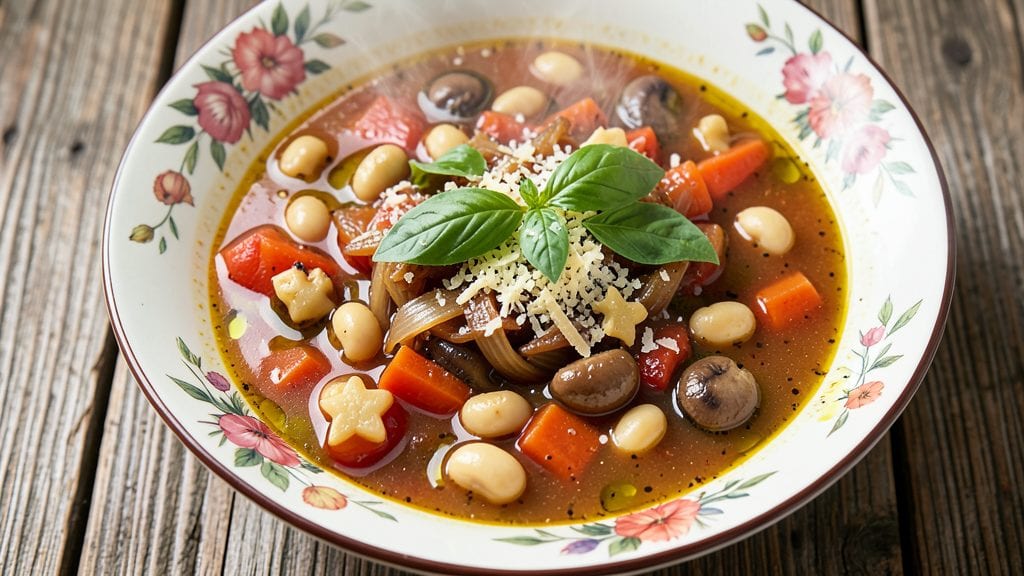
Betty Crocker's minestrone soup brings comfort in every hearty spoonful, blending classic Italian roots with the trusted quality we know and love. This one-pot classic transforms simple ingredients into a rich, vegetable-packed masterpiece that's perfect for chilly evenings or family gatherings.
The secret lies in balancing tender beans, al dente pasta, and fresh vegetables in a savory broth that simmers until every flavor melds perfectly.
What sets this recipe apart is its foolproof approach—no complicated techniques required, just precise timing and quality ingredients. We'll start with sautéed onions and garlic to build a flavorful base, then add vegetables in stages to maintain their texture.
The beans and pasta cook directly in the broth, creating that signature minestrone consistency without extra pots or pans. This method delivers restaurant-quality results in under one hour, making it ideal for busy weeknights.
The result is a soup that's naturally satisfying—warm, aromatic, and packed with texture from crisp-tender carrots, earthy mushrooms, and tender pasta. Each spoonful delivers that perfect balance of savory broth, hearty beans, and fresh vegetables that Betty Crocker made famous.
The best part? It tastes even better the next day, making it perfect for meal prep or leftovers.
Serve with crusty bread to soak up every last drop of that flavorful broth, or pair it with a simple green salad for a complete meal. This recipe captures the essence of classic minestrone while keeping the preparation simple and accessible. Let's get cooking!
Ingredients for betty crocker minestrone soup
Classic Italian flavors meet Betty Crocker's trusted quality in this one-pot masterpiece.
| Ingredient | Amount | Notes |
|---|---|---|
| Extra-Virgin Olive Oil 🫒 | ½ cup | High-quality, fruity variety preferred |
| Yellow Onion 🧅 | 1 ½ cups | Diced, medium size preferred |
| Garlic Cloves 🧄 | 6 cloves | Minced, fresh preferred |
| Diced Tomatoes (San Marzano) 🍅 | 2 cups | Canned, no salt added |
| Vegetable Broth 💧 | 4 cups | Low-sodium, homemade preferred |
| Canned Cannellini Beans 🌱 | 1 ½ cups | Drained, rinsed, medium size |
| Ditalini Pasta 🍝 | 1 ½ cups | Uncooked, 1-inch pieces |
| Carrots 🥕 | 1 ½ cups | Diced, medium size preferred |
| Celery Stalks 🥬 | 3 whole | Diced, fresh preferred |
| Zucchini 🥒 | 1 ½ cups | Diced, medium size preferred |
| Mushrooms 🍄 | 1 cup | Sliced, cremini or white |
| Tomato Paste 🍅 | 2 tbsp | Smooth, no sugar added |
| Dried Basil 🌿 | 1 tbsp | Or 0.25 cup fresh |
| Dried Oregano 🌿 | 1 tsp | Italian preferred |
| Salt 🧂 | 1 ½ tsp | Diamond Crystal kosher |
| Black Pepper 🌶️ | ½ tsp | Freshly ground preferred |
| Parmesan Cheese 🧀 | ½ cup | Freshly grated, block preferred |
The San Marzano tomatoes and cannellini beans are non-negotiable for authentic flavor—Trader Joe's and Whole Foods carry the best canned options. For the pasta, ditalini gives that classic minestrone texture, but penne or small shells work too. The vegetable broth should be homemade if possible—Pacific Foods or Imagine brands are solid store-bought choices. Fresh mushrooms? Costco sells them in bulk for better value. Don't skimp on the extra-virgin olive oil—it's the soup's backbone. Whole Foods or Goya are great for quality canned goods if you're short on time.
No San Marzano tomatoes? Crushed tomatoes with basil work in a pinch—just add an extra pinch of salt. Substituting beans? Kidney or pinto beans hold up well, but white beans are traditional. For the pasta, any small shape works—orzo or tiny shells both add texture. Fresh herbs? Dried basil and oregano are fine, but fresh basil makes a world of difference. The tomato paste can be swapped for 1 cup extra crushed tomatoes if you're avoiding it. And if you're watching sodium, no-salt-added broth is a must—Pacific Foods makes excellent low-sodium options.
This soup tastes even better the next day—double the batch and freeze half for lazy nights. Store leftovers in airtight containers for up to 5 days in the fridge or 3 months frozen. The pasta stays al dente longer if you undercook it slightly before adding to the soup. For meal prep, portion into mason jars—the pasta stays at the bottom, and you can grab a jar straight from the fridge. The Parmesan keeps for weeks in the fridge, so grate what you need and store the rest.
Why You'll Love This Recipe
- No-Chop Nightmare: I swear by this recipe when I’m too tired to dice anything. The onion and garlic get a quick sauté in olive oil—no fine mincing required—while the San Marzano tomatoes and broth do all the heavy lifting. Five minutes of hands-on work, and the rest simmers while I pretend I’m not burning dinner.
- Garlic Bomb Flavor: That moment when you crush fresh garlic into hot olive oil? Chef’s kiss. The Betty Crocker version leans into that punch—bright, savory, and just sweet enough from the tomatoes. It’s the kind of soup that makes you reach for a second bowl without guilt.
- Lunchbox Hero: Between us, this soup is my go-to for meal prep. It reheats like a dream, keeps for days in the fridge, and even freezes beautifully. Pack it cold for work or heat it up for a lazy Sunday—either way, it’s a crowd-pleaser that won’t flop.
- Pocketbook Victory: Vegetable broth, onions, and tomatoes? That’s a budget-friendly powerhouse. I make a big batch for under $10 and stretch it across a week of lunches. Honestly, it’s the kind of recipe that makes me feel like a genius for spending so little.
Step-by-step instructions for Betty Crocker minestrone soup recipe
This hearty vegetable-packed one-pot classic delivers restaurant-quality flavor in your own kitchen.
Sauté the Aromatic Vegetable Base
Heat the 0.5 cup extra-virgin olive oil in a large Dutch oven over medium heat. Add the 1.5 cups diced yellow onion and cook for 5 minutes until softened and translucent. Here's the thing—this foundational step builds the soup's depth of flavor, so don't rush it.
Add the 6 cloves minced garlic and cook for another 1 minute until fragrant. Immediately stir in the 2 tbsp tomato paste and cook for 2 minutes until it darkens slightly. This creates a rich, concentrated base that prevents the soup from becoming watery later. The tomato paste also adds natural sweetness that balances the earthy vegetables.
Build the Vegetable Medley
Add the 1.5 cups diced carrots, 3 whole diced celery stalks, and 1 cup sliced mushrooms to the pot. Stir well to coat with the tomato base and cook for 5 minutes until the vegetables begin to soften. You'll see the mushrooms release their moisture, which helps create a velvety texture in the finished soup.
Next, add the 1.5 cups diced zucchini and cook for another 3 minutes until the vegetables are tender but still hold their shape. The key here is to maintain some texture—overcooking at this stage will lead to a mushy soup. If you notice the vegetables sticking, add 2 tablespoons of vegetable broth to deglaze and keep everything moist.
Simmer the Classic Broth Base
Pour in the 4 cups vegetable broth and bring the mixture to a gentle boil. Once boiling, reduce heat to medium-low and stir in the 2 cups diced tomatoes (San Marzano), 1.5 cups cannellini beans, 1 tbsp dried basil, 1 tsp dried oregano, 1.5 tsp salt, and 0.5 tsp black pepper. Let the soup simmer uncovered for 15 minutes, stirring occasionally.
This simmering time allows all the flavors to meld together beautifully. You'll notice the tomatoes break down slightly, releasing their juices and creating a naturally thickened base. The beans will begin to rehydrate completely, and the herbs will release their aromatic oils throughout the soup. Real talk: this is where the magic happens—everyone's kitchen will develop slightly different flavor profiles based on their local water and ingredients.
Add Pasta and Finish Cooking
Add the 1.5 cups uncooked ditalini pasta to the soup and stir gently to distribute it evenly. Increase heat to medium-high and bring the soup back to a boil. Once boiling, reduce heat to medium-low and simmer uncovered for 12-14 minutes, stirring occasionally, until the pasta is al dente and the soup has thickened slightly.
You'll know the pasta is perfectly cooked when it floats to the surface and has a slight bite to it. The soup should coat the back of a spoon but still be easy to ladle. If it thickens too much before the pasta is done, add 2-4 tablespoons of water to adjust the consistency. This is particularly important for the classic texture that makes minestrone so satisfying.
Garnish and Serve with Confidence
Remove the soup from heat and let it rest for 5 minutes to allow the flavors to fully develop. Before serving, stir in the 0.5 cup freshly grated Parmesan cheese and adjust seasoning if needed. The cheese adds a wonderful umami richness that ties all the flavors together beautifully.
Ladle the soup into bowls and garnish with additional grated Parmesan if desired. Serve immediately with crusty bread on the side—this classic Italian soup tastes even better when enjoyed fresh from the pot. The combination of tender vegetables, hearty pasta, and rich broth creates a truly comforting meal that's perfect for any occasion. Don't skip the Parmesan—it makes all the difference in that final flavor boost!
Pro Tips For Making Betty Crocker Minestrone Soup
- Sweat the Onion Low: Betty Crocker’s recipe might call for quick sautéing, but I learned the hard way—onions caramelize better when you take your time. Cook them over medium-low heat for 8-10 minutes until they’re soft and golden, not just translucent. This adds depth the recipe won’t deliver otherwise.
- Crush Those Garlic Cloves: The recipe probably says "mince," but crushing whole garlic cloves with the flat side of your knife first makes a real difference. Let them sit in the olive oil for 30 seconds before adding the onions—they’ll infuse flavor without burning, giving your soup that aromatic kick.
- Skip the Boil for Tomatoes: Dumping diced tomatoes straight into simmering broth? You’re losing flavor. Instead, heat them in a separate pan with a splash of broth and a pinch of salt for 5 minutes first. This concentrates their sweetness and keeps the texture intact—no mushy chunks in your final soup.
- Salt the Broth Early: Vegetable broth is often low-sodium, and the recipe might not account for this. Add half the salt called for upfront, then taste again at the end. Adjusting later is easier than dealing with bland soup—trust me, I’ve made that mistake on busy weeknights.
Regional styles of this recipe
Classic Italian Roots
This minestrone traces back to Northern Italy, where it originated as a peasant dish using simple ingredients like beans, pasta, and seasonal vegetables. The name "minestrone" means "big soup" in Italian, reflecting its hearty nature.
In Tuscany, it often includes wild greens like chard or spinach, while Lombardy versions feature more mushrooms and risotto rice. The Betty Crocker adaptation keeps the soul of Italian minestrone while making it accessible with pantry-friendly ingredients. 🌍
Southern California Twist
Minestrone gained popularity in the US through California's Italian-American communities, particularly in San Francisco and Los Angeles. The California version often includes kidney beans and corn for extra heartiness.
Betty Crocker's recipe leans into this West Coast influence by using ditalini pasta (a California favorite) and adding zucchini—a vegetable that thrives in the region's climate. The result is a soup that's both nostalgic and modern. 🌶️
New England Adaptation
In colder climates like Maine and Vermont, minestrone gets a cozier twist with additions like potatoes and kale. These heartier vegetables make it a perfect winter meal. For a New England-inspired version, swap half the zucchini for diced potatoes and add chopped kale at the end of cooking.
The extra starchiness makes it even more filling for chilly days. ❄️
Vegetarian-Friendly Variations
While traditional minestrone includes meat in some regional versions, Betty Crocker's recipe stays true to its vegetarian roots. For a Mediterranean touch, add artichoke hearts and sun-dried tomatoes to the vegetable medley.
In Spain, a similar dish called sopa de habas uses broad beans instead of cannellini, offering a different texture and flavor profile. The key is balancing the vegetables to maintain that classic minestrone heartiness. 🌿
Quick Weeknight Shortcut
For busy weeknights, swap fresh vegetables for frozen mixed veggies (like those from Green Giant or Birds Eye). Use pre-minced garlic and jarred tomato sauce to save time without sacrificing flavor.
Even the Parmesan can be pre-grated—just check for added anti-caking agents. This version keeps all the comforting qualities while cutting prep time in half. ⏰
Holiday Potluck Favorite
Minestrone is a crowd-pleaser at gatherings because it's easy to scale up and serves many. For a Thanksgiving twist, add roasted butternut squash and sage to the vegetable mix.
In Christmas celebrations, some families add cranberries for a festive sweet-tart contrast. The soup reheats beautifully, making it perfect for potlucks where timing is flexible. 🎄
Nutrition facts
Frequently asked questions
Can I make this minestrone soup in a slow cooker?
Sauté the onions, garlic, and tomato paste first in a skillet, then transfer everything to your slow cooker. Add all remaining ingredients and cook on LOW for 4-5 hours or HIGH for 2-3 hours. The slow cooker method actually enhances the flavors by letting them meld together over time. Just check the pasta for doneness at the end—it may need an extra 5-10 minutes on the stovetop if needed.
What can I substitute if I don't have San Marzano tomatoes?
No problem! Use crushed tomatoes with basil instead—just add an extra pinch of salt since canned tomatoes can vary in saltiness. For a deeper flavor, combine 1 cup crushed tomatoes + 1 cup tomato sauce. The key is maintaining that natural sweetness and acidity that balances the soup's hearty ingredients.
How do I prevent the soup from getting too thick or watery?
For thickness control, add the pasta 5 minutes before serving instead of cooking it directly in the soup. If it gets too thick, stir in 2-4 tablespoons of water or broth. To prevent wateriness, make sure to simmer uncovered and let any excess liquid reduce naturally. The tomato paste helps thicken the soup naturally as it cooks.
Can I make this soup ahead of time?
This soup actually tastes better the next day! Store leftovers in airtight containers in the fridge for up to 5 days or freeze for 3 months. Reheat gently on the stove with a splash of water or broth to restore moisture. The flavors deepen as the ingredients meld together over time, making it perfect for meal prep.
What's the best way to reheat minestrone soup?
Reheat on medium-low heat with the lid slightly ajar, stirring occasionally. If using frozen soup, thaw it in the fridge overnight first. For extra creaminess, add a splash of broth or a pat of butter. Never microwave directly from frozen—this can make the pasta mushy. Stir in fresh Parmesan and herbs after reheating to brighten the flavors.