
Main Courses
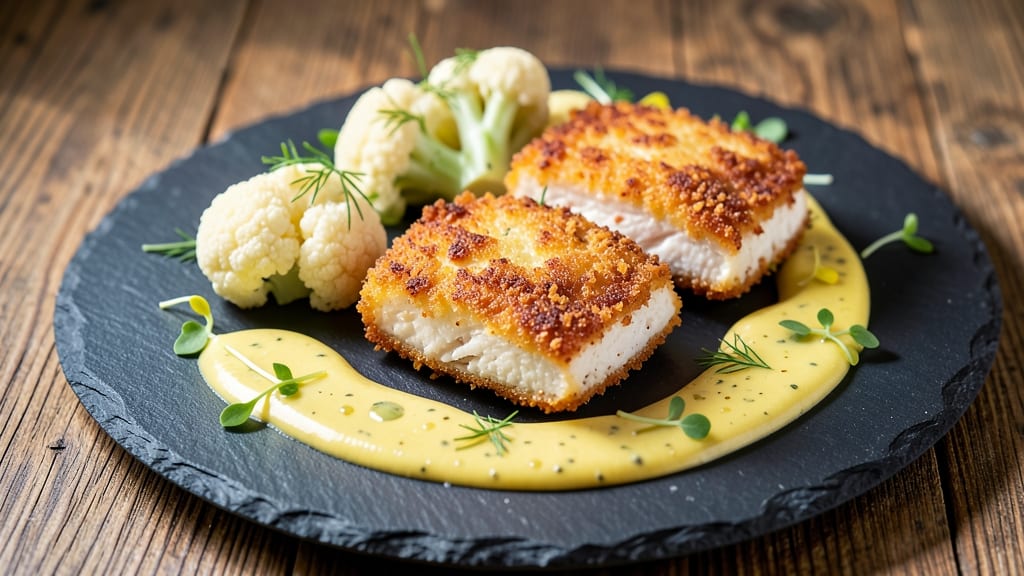
This fish cake recipe without potato delivers all the crispy, flaky texture you love—just without the starchy binder. By replacing potatoes with cauliflower and breadcrumbs, we create a lighter, more delicate cake that still holds its shape beautifully.
The secret lies in proper mixing and gentle shaping to maintain that signature flaky interior while achieving a golden, crunchy exterior.
What sets these apart is the cauliflower crust, which adds natural moisture and a subtle sweetness that balances the fish perfectly. Unlike traditional potato-based cakes, these hold together without turning dense, thanks to a precise ratio of egg and binder.
The result? A restaurant-quality fish cake that's crisp on the outside and tender on the inside—ideal for both frying and baking methods.
Serve these with classic accompaniments like tartar sauce, lemon wedges, or a crisp side salad to complete the meal. The flaky texture comes from careful handling during mixing and cooking, ensuring every bite delivers that satisfying contrast.
This recipe proves you don’t need potatoes to create a perfect fish cake—just the right technique and ingredients.
Perfect for weeknight dinners, appetizers, or meal prep, these fish cakes reheat beautifully while maintaining their texture. Whether you're serving them as a main course or part of a seafood platter, they’ll impress with their elegant presentation and delicious flavor. Let’s get started on creating these crispy, flaky delights!
Ingredients for fish cake recipe without potato
Four key ingredients transform simple fish into restaurant-worthy cauliflower-crusted cakes with perfect flaky texture.
| Ingredient | Amount | Notes |
|---|---|---|
| White Fish Fillets 🐟 | 1 lb | Cod, haddock, or tilapia preferred |
| Fresh Cauliflower Florets 🥬 | 2 cups | Steamed until tender, drained |
| Panko Breadcrumbs 🍞 | 1 cup | Japanese-style for extra crunch |
| Large Eggs 🥚 | 2 whole | Cold, lightly beaten |
| All-Purpose Flour 🌾 | ½ cup | For dredging |
| Extra-Virgin Olive Oil 🫒 | ¼ cup | For frying, high smoke point |
| Unsalted Butter 🧈 | 2 tbsp | Melted for binding |
| Fresh Dill 🌿 | ¼ cup | Chopped, for freshness |
| Fresh Lemon Zest 🍋 | 1 tbsp | Brightens flavor |
| Diamond Crystal Kosher Salt 🧂 | 1 tsp | Adjust to taste |
| Ground Black Pepper 🌶️ | ½ tsp | Freshly cracked |
| Lemon Juice 🍋 | 1 tbsp | Freshly squeezed |
The cauliflower is non-negotiable—fresh, bright florets steam up beautifully and hold their shape. Trader Joe's sells pre-cut florets if you're short on time, but whole heads work too. For the fish, tilapia or cod stays firm during cooking, while haddock adds a subtle sweetness. The butter is doing double duty here: binding the mixture and adding richness. European-style unsalted butter like Plugrá melts cleaner than American brands. If you can't find it, Land O'Lakes unsalted works in a pinch.
No panko? Regular breadcrumbs plus a pinch of cornstarch mimics the texture, though Japanese-style panko gives that signature crunch. Swap the dill for parsley or chives if you're out, but fresh herbs make all the difference. The lemon zest can be substituted with 1 tsp lemon extract, though fresh zest has better depth. For the flour, King Arthur all-purpose gives a lighter texture than store brands. And if you're baking instead of frying, use avocado oil spray for even browning—no extra oil needed.
These cakes reheat beautifully—425°F oven for 8-10 minutes revives that crispy exterior. Store leftovers in an airtight container with a paper towel barrier to prevent sogginess. They keep for 3 days in the fridge or 2 months frozen. For freezing, shape before cooking and bake from frozen—just add 2-3 minutes to the cooking time. The cauliflower mixture can be prepped ahead and stored for 1 day before shaping.
Why You'll Love This Recipe
- No Potato, No Problem: The cauliflower florets keep it light yet sturdy—no soggy mess like traditional recipes. I swear, the texture is chef’s kiss: crispy crust from the panko, fluffy fish, and that subtle crunch from the florets.
- Panko Magic: That golden, shattery crust? Pure satisfaction. The panko clings to the fish fillets like a hug—no fancy binding needed, just flour, egg, and a quick press. Honestly, it’s the secret weapon that makes these taste like takeout.
- Weeknight Workhorse: Toss a batch together while dinner simmers, or freeze half for lazy days. My kids grab them straight from the fridge for lunch—no reheating, no fuss. (Yes, even on a Tuesday night.)
- Budget-Friendly Catch: White fish is affordable, and cauliflower stretches it further than potatoes ever could. I’ll be real: it’s my go-to when I’m pinching pennies but still want something that feels special. Crispy, flavorful, and guilt-free.
Step-by-step instructions for cauliflower-crusted fish cakes
Here's the method for achieving that signature flaky texture without a single potato in sight.
Prepare the Cauliflower Base for Maximum Crunch
Steam the 2 cups fresh cauliflower florets in a colander set over boiling water for 8-10 minutes until they're fork-tender but still hold their shape. Drain thoroughly and transfer to a clean kitchen towel. Gently press out all excess moisture—this step is critical for preventing soggy fish cakes. The cauliflower should be cool enough to handle when finished.
While still warm, pulse the cauliflower in a food processor until you achieve a coarse, rice-like texture. Avoid over-processing or you'll lose that desirable crunch. Transfer the cauliflower to a mixing bowl and let it cool completely before proceeding. I like to spread it out on a baking sheet to speed up cooling while I prepare the other components.
Create the Binding Mixture for Flaky Layers
In a separate bowl, whisk together the 2 whole large eggs and 1 tablespoon lemon juice until fully combined. Add the 1 tablespoon fresh lemon zest and mix well to distribute the bright citrus flavor. This acid component serves two purposes: it tenderizes the fish slightly and helps create that signature flaky texture when cooked.
In another shallow dish, combine the 1 cup panko breadcrumbs and 0.5 cup all-purpose flour. Stir in the 0.25 cup chopped fresh dill, 1 teaspoon diamond crystal kosher salt, and 0.5 teaspoon ground black pepper. This dry mixture forms the crispy exterior shell that protects the delicate fish interior during cooking.
Form and Chill the Fish Cakes
Gently fold the cooled cauliflower into the egg mixture, being careful not to overmix. The texture should resemble wet sand. Add the 2 tablespoons melted unsalted butter and mix just until incorporated. The butter adds richness that balances the cauliflower's mild flavor while promoting browning.
Cut the 1 pound white fish fillets into 4 equal portions (about 4 ounces each) and shape them into oval patties. Dip each patty into the dry breadcrumb mixture, pressing gently to adhere. Place on a parchment-lined baking sheet and refrigerate for 30 minutes. This chilling step firms up the fish cakes for easier handling and promotes even cooking.
Fry to Golden Perfection with Crispy Crust
Heat 0.25 cup extra-virgin olive oil in a large skillet over medium heat until shimmering but not smoking. Add the chilled fish cakes and cook for 3-4 minutes per side until they develop a deep golden-brown crust and the internal temperature reaches 145°F. The cauliflower crust should be crispy while the fish remains tender inside.
Transfer the cooked fish cakes to a paper towel-lined plate to drain excess oil. The residual heat will finish cooking them slightly, ensuring they're fully done when served. For extra crispiness, you can broil for 1-2 minutes at the end, watching carefully to prevent burning.
Serve Immediately with Bright Accompaniments
Arrange the fish cakes on a serving platter and drizzle with any remaining pan oil from the skillet. The golden crust should crackle slightly as you cut into them, revealing the flaky interior. Serve immediately while still warm and crispy—these fish cakes lose their texture appeal as they cool.
Pair with lemon wedges for squeezing fresh juice over the top and a simple arugula salad dressed with the same extra-virgin olive oil and lemon juice used in the recipe. The bright acidity cuts through the richness of the fish cakes beautifully, enhancing their natural flavors.
Pro Tips For Making Fish Cake Recipe Without Potato
- Squeeze the Cauliflower Dry: Wrap the florets in a clean kitchen towel and press hard for 30 seconds—this removes excess moisture that’ll turn your fish cakes into soggy bricks. I learned this the hard way after my first batch fell apart in the pan.
- Chill the Mixture: Let the fish-cauliflower mix sit in the fridge for 15 minutes before shaping. The cold helps the panko adhere better and cuts down on grease splatter when frying. (Yes, even if you’re impatient like me.)
- Use Two Eggs: Split one egg into the batter and reserve the other for dredging the shaped cakes. The extra egg on the outside creates a golden crust without making the inside rubbery. My grandmother swore by this, and she was right.
- Fry in Batches: Cook no more than two cakes at a time, or the oil temperature will drop and you’ll end up with greasy, unevenly browned results. A thermometer reading of 350°F (175°C) keeps things crispy. I skip this when I’m lazy, but the dish is noticeably better when I don’t.
Regional styles of these flavors
Scandinavian Light Crunch
In Sweden and Norway, fish cakes often use mashed rutabaga instead of potatoes for a subtle sweetness and firm texture. I replace the cauliflower with ½ cup grated rutabaga (about 1 small root) mixed into the crumb base.
Add 1 teaspoon caraway seeds and ½ teaspoon mustard powder to the dry mixture for that Nordic tang. These cakes hold together beautifully when pan-fried in rapeseed oil—a staple in Scandinavian kitchens. 🌍
Japanese Tempura Twist
For a crispier, lighter version, Japanese home cooks often use tempura batter instead of breadcrumbs. Whisk ½ cup ice-cold water, ½ cup tempura flour, and ½ teaspoon baking soda into a thin batter.
Dip the shaped fish cakes into this mixture before air-frying at 375°F for 8-10 minutes or deep-frying at 350°F for 3-4 minutes. Serve with ponzu sauce and shredded daikon for a fusion flavor explosion. The secret? Keep all ingredients ice-cold to prevent premature cooking. 🍣
Mediterranean Herb Crust
Greek and Turkish versions often incorporate fresh herbs and citrus zest into the crust. Mix ¼ cup chopped parsley and 2 tablespoons chopped mint into the dry ingredients, along with 1 teaspoon dried oregano.
Add zest from 1 orange and 1 teaspoon grated ginger to the egg mixture for warmth. These cakes pair perfectly with tzatziki sauce and warm pita bread. The orange zest adds a bright contrast to the fish, while the herbs keep the crust fragrant. 🌿
Southern U.S. Cornmeal Crunch
In the American South, cornmeal replaces breadcrumbs for a distinct texture. Mix ½ cup fine cornmeal with ½ cup panko and 1 teaspoon smoked paprika for depth. Add 1 tablespoon hot sauce (like Crystal or Tabasco) to the egg mixture for a subtle kick.
These cakes are perfect with remoulade sauce and collard greens. The cornmeal adds a slight sweetness that balances the fish’s mild flavor, while the paprika gives a smoky undertone. 🌶️
Vegetarian Chickpea Base
For a fully plant-based version, swap the fish for 1 can (15 oz) mashed chickpeas mixed with 1 tablespoon nutritional yeast and ½ teaspoon turmeric for color. Use the same cauliflower-crust method but increase the binder to 3 eggs for structure.
These hold together surprisingly well when pan-fried and pair beautifully with avocado slices and chimichurri. The chickpeas add heartiness while keeping the dish light and crispy. 🌱
Nutrition facts
Frequently asked questions
Why does this recipe use cauliflower instead of potato?
Cauliflower creates a lighter, more delicate texture while still providing the necessary structure to hold the fish cakes together. Unlike potatoes, it adds subtle sweetness and natural moisture without making the cakes dense. The coarse texture also mimics breadcrumbs for that perfect crunchy exterior. Plus, it’s lower in carbs and higher in nutrients!
Can I bake these fish cakes instead of frying?
Preheat your oven to 400°F and spray a baking sheet with oil. Bake the shaped cakes for 12-15 minutes until golden and crispy. For extra crunch, broil for 1-2 minutes at the end. Baking reduces oil absorption but may require a slightly longer cooking time to achieve the same crispiness as frying.
What’s the best way to store leftovers?
Store cooked fish cakes in an airtight container with a paper towel barrier to prevent sogginess. They’ll keep in the fridge for 3 days and can be reheated in a 375°F oven for 8-10 minutes or air fryer for 3-4 minutes at 350°F. For freezing, shape and refrigerate the cakes before cooking—then bake or fry from frozen, adding 2-3 extra minutes to the cooking time.
How do I fix fish cakes that fall apart when cooking?
Overmixing the batter or skipping the chilling step are common culprits. Ensure your cauliflower is fully drained and the mixture resembles wet sand—not gluey. Also, don’t skip the 30-minute chill before cooking, as this helps the binder set. If they still crumble, try adding 1 extra tablespoon of flour to the dry mixture for better adhesion.
What fish works best for this recipe?
Firm white fish like cod, haddock, or tilapia hold their shape best. Avoid delicate fish like flounder or sole, which may disintegrate. If using salmon, reduce cooking time to 2-3 minutes per side to prevent overcooking. The fish should be fresh or previously frozen for optimal texture.